Cost of Living in Funchal
Real market data
Source: Numbeo · August 2026
$2,160/moSolo nomad1-bed centre + living costs
$2,660/moCoupleshared 1-bed + costs
$1,890/moLean / localcheaper area + costs
- 1-bed rent, city centre$1,540€1,336
- 1-bed rent, outside centre$1,260€1,098
- Monthly costs excl. rent (1 person)$620€540
- Meal, inexpensive restaurant$16€14
- Monthly transit pass$35€30
- Buy price, per m² (centre)$4,910€4,263
Prices are from Numbeo (August 2026), converted to USD at $1 = €0.87 (01 Aug 2026). The monthly living-costs figure is our transparent one-person basket, groceries, a few meals out, utilities, phone, internet, transport and essentials, priced from those figures. Solo adds central rent; couple and lean are estimates from the same numbers. The guide below quotes its own monthly range, which is a different measurement rather than a competing one: this table prices a defined basket at the figures above, while that range is a judgement about how somebody actually lives here.
Funchal is no longer the bargain it was five years ago, but it remains meaningfully cheaper than Lisbon, London, or any major Northern European city. Expect to spend $2,070 to $3,220 per month (roughly USD 2,000 to USD 3,100) as a solo nomad with a mid-range lifestyle.
- Rent, central Funchal (Sé, Old Town): $1,040 to $1,610 for a furnished one-bedroom. Supply is tight and prices have risen sharply since 2022.
- Rent, cheaper areas (São Martinho, Monte, Câmara de Lobos): $690 to $1,090 for a one-bedroom. You will need a bus or scooter for daily commuting.
- Groceries: $230 to $345 per month. Pingo Doce and Continente are the main supermarket chains. Local market produce at Mercado dos Lavradores is affordable and fresh.
- Eating out: $9 to $14 for a lunch prato do dia at a local tasca. Dinner at a mid-range restaurant runs $23 to $40 per person. Budget $290 to $460 monthly if you eat out regularly.
- Coworking hot-desk: $115 to $175 per month, or $14 to $17 per day.
- Local transport (buses): $1.50 to $2.50 per journey on the SIGA network. Monthly pass around $40 to $46. Taxis within the city are $6 to $12.
- Total range: $2,070 to $3,220 per month. You can survive on less with a cheaper flat outside the center; you can spend considerably more if you upgrade accommodation or eat out every night.
Where to Work
Funchal has a small but functional coworking scene. Cowork Funchal is the most established option, located in central Rua das Mercês with fiber internet, meeting rooms, and a quiet working environment. Hot-desk pricing starts at $14 per day or $115 per month. Sangha Cowork, set inside the Dorisol Hotel in the Lido area, adds a pool and hotel amenities to the equation and charges around $17 per day or $175 per month. The Hub by Madeira Friends is community-oriented and hosts regular networking events alongside faster fiber connections.
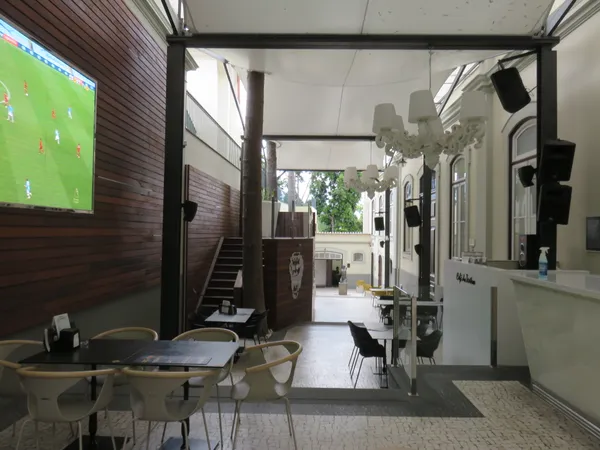
Cafe-working culture is real but has limits. Museu Cafe on Praca do Municipio has reliable WiFi and accessible power outlets. Cafe do Teatro near the Municipal Garden is another popular option with a pleasant outdoor terrace. In practice, cafes will tolerate laptop workers for a few hours with a purchase, but do not rely on them for sustained focus work or video calls.
General WiFi across the city is rated strong. Fiber connections in coworking spaces are consistently fast. Home connections in furnished rentals vary more but are usually adequate. Mobile data is solid with NOS and Vodafone both offering good coverage. The island infrastructure is broadly reliable.
Getting Around
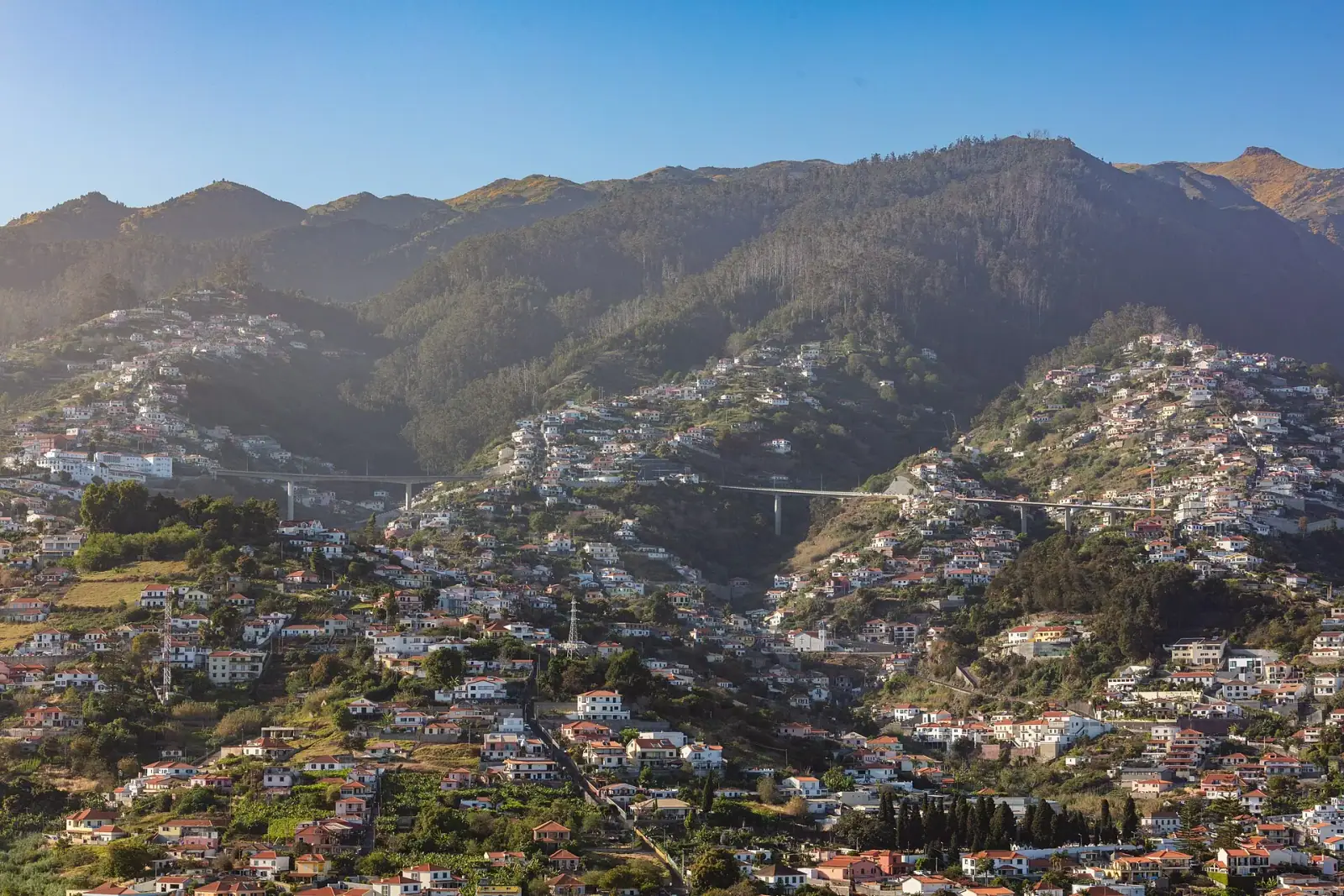
Funchal's city center is walkable, but the city sits on steep hillsides and the walk between lower and upper neighborhoods can be genuinely tiring. The Old Town, the marina, and the Sé cathedral area are all within easy walking distance of each other. Anything uphill requires either a bus, a cable car, or serious commitment.
The SIGA bus network, reorganized in 2024, covers Funchal and the wider island well. Electric minibuses run the inner city circuit (Linha Cidade 05). Frequency drops in evenings and on weekends, which can be inconvenient. A journey within the city costs around $1.50 to $2.50.
The cable car from Funchal to Monte is a genuine transport option as well as a tourist attraction. For exploring the rest of the island, renting a car gives you far more freedom. Driving in Madeira involves narrow mountain roads that demand attention.
The airport (Funchal Airport, FNC) is around 22 kilometers east of the city center. The Aerobus (line 1) connects the airport to central Funchal for about $7.50 and takes 30 to 50 minutes depending on traffic. A taxi costs $29 to $40. Uber is available and often cheaper than a metered taxi.
Sorting transport? Book an airport transfer, or compare car rental on Auto Europe and QEEQ.
Visas and Staying Long-Term
Funchal is part of Portugal and the EU, so EU and EEA citizens can stay and work indefinitely without any additional process.
For non-EU nationals, Portugal offers a 90-day visa-free stay under Schengen rules for citizens of the US, Canada, Australia, UK, and most other Western passport holders. You count days across the entire Schengen Area, not just Portugal.
Portugal's D8 Digital Nomad Visa is the dedicated path for longer stays. It requires average remote income over the last three months of at least $4,240 per month (four times the Portuguese minimum wage in 2026), and a work contract or client agreements showing that income comes from outside Portugal. Approved applicants receive a two-year residence permit, renewable for three-year periods. The application is processed at Portuguese consulates before you arrive, or through AIMA, the agency that replaced the SEF immigration service in October 2023, once in Portugal on a temporary stay visa. British flights land straight into Funchal, making its airport an outer Schengen frontier where non-EU passengers give their biometrics for the Entry/Exit System; route through Lisbon instead and that happens on the mainland, leaving the Madeira leg as a domestic hop.
Best Time to Visit
Funchal's climate is famously mild year-round, sitting on the southern slope of the island and sheltered from the north winds. This makes it one of the more genuinely flexible destinations in Europe for remote work.
April, May, September, and October are the sweet spot for most nomads: temperatures hover around 20 to 24 degrees Celsius, rainfall is low, and the island is less crowded than peak summer. Hiking trails are at their best in spring when the island is in flower.
June through August brings warmer temperatures (25 to 28 degrees) and the most sunshine. It is peak tourist season, which means higher short-term accommodation prices and busier restaurants. Internet and coworking infrastructure holds up regardless of season.
November through March sees more rainfall and occasional overcast stretches, particularly in January and February. Temperatures rarely drop below 17 degrees, and the city stays very liveable. This is the cheapest time for short-term rentals and the quietest period in the coworking spaces. If your work requires focus and you do not need beach weather, winter in Funchal is underrated.
Pros and Cons
- Subtropical climate with no extremes: 18 to 28 degrees year-round on the south coast
- Strong, reliable fiber internet in coworking spaces and most rentals
- Very safe by European standards with low petty crime
- Excellent food scene with two Michelin-starred restaurants and strong local seafood and wine culture
- English widely spoken in central Funchal, hotels, coworking spaces, and most restaurants
- Nature access: serious hiking, dramatic coastal levada walks, and Atlantic swimming within easy reach
- Active nomad community via Madeira Friends and regular coworking events
- Rent has risen sharply and central apartments are no longer cheap; supply is limited on a small island
- Island isolation: the novelty wears off for some after two months; flights out are the only exit option
- Hilly terrain makes parts of the city uncomfortable without transport
- Coworking options are limited compared to larger cities; only a handful of dedicated spaces
- Evenings and weekends see reduced bus frequency, and not having a car limits exploration of the island
- Over-tourism pressure is building, particularly in summer, with some infrastructure strain
Who Funchal Is Best For
Funchal works particularly well for nomads who want European infrastructure and safety with a subtropical climate, and who can afford rents that are now approaching mid-tier mainland European cities. It suits people who value outdoor access alongside desk time: the levada walks and coastal hiking are genuinely world-class and easy to reach from the center.
The city is a good fit for people on longer stays of one to three months who want a settled base rather than a quick stop. The nomad community is present and engaged, especially through Madeira Friends events, which helps offset the island's inherent isolation. Solo workers and couples do better than large groups, as accommodation options for multiple people are more limited and expensive.
Skip Funchal if you need a deep nomad scene with dozens of coworking options, if your budget requires rent below $805 per month for a central flat, or if island isolation genuinely bothers you. It is also not a great fit for people who need to be close to major business hubs for frequent in-person meetings, since flight connections, while improving, add meaningful travel time to anywhere on the European mainland.