Cost of Living in Óbidos
Where this figure comes from. No cost survey covers Óbidos, so the $1,100 a month above is our own estimate rather than a measurement. On 416 of our 999 city guides the figure is built from a published Numbeo basket, a one-bedroom rent in the centre plus one person's monthly costs without rent, converted to USD; this city is not one of them. How we source everything.
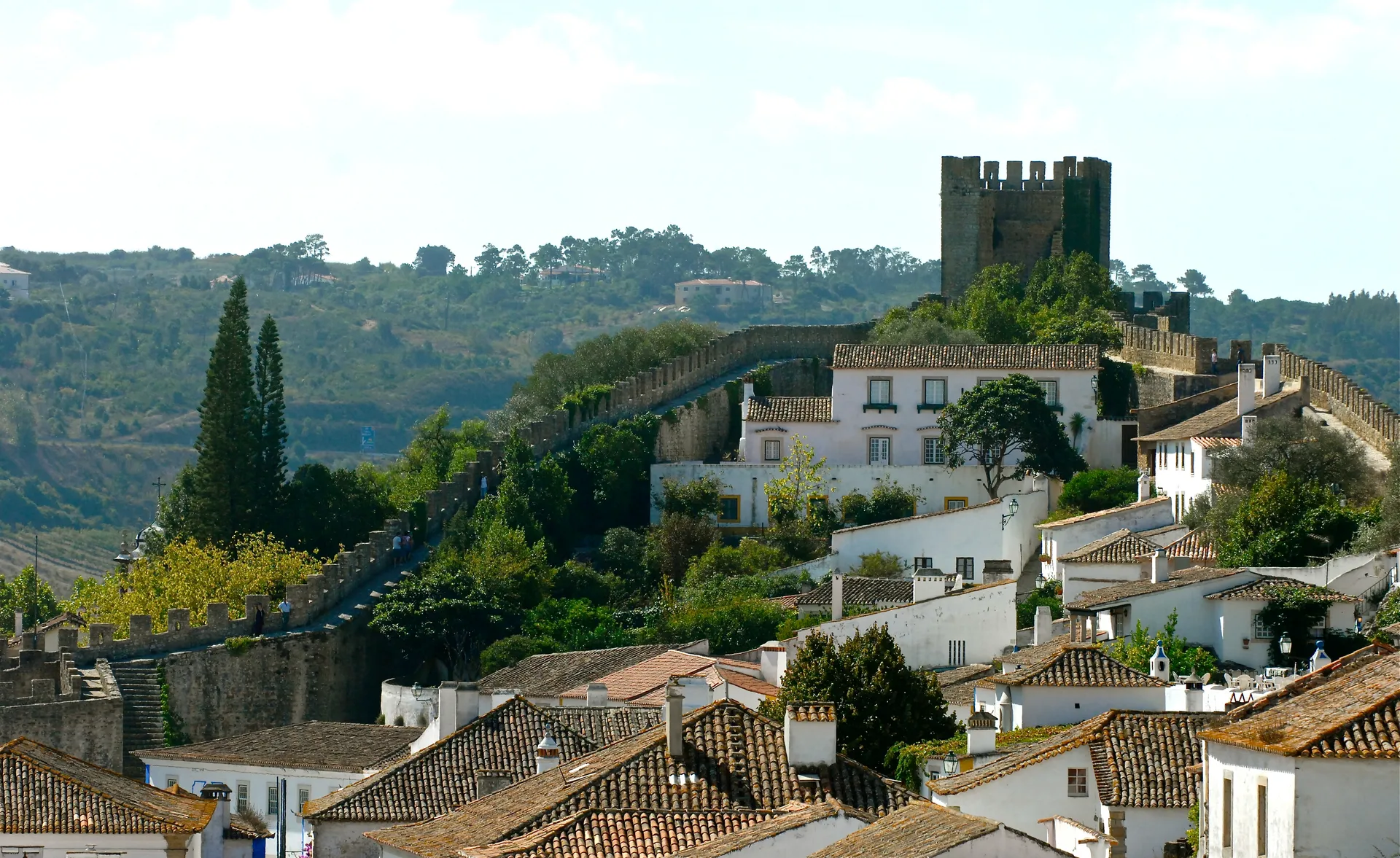
Óbidos is moderately priced by Portuguese standards, cheaper than Lisbon but not a bargain given its tourist pull. A comfortable solo nomad budget lands around $1,000 to $1,700 a month, depending on whether you rent a small studio below the walls or a restored townhouse inside them. Long-term rentals are limited because so many houses run as short-stay tourist lets, so monthly deals reward patience and a willingness to look in nearby Caldas da Rainha. Groceries, local wine, and produce are inexpensive, and a simple lunch menu stays friendly on the wallet. Coffee costs little, while sit-down dinners in the walled centre carry a mild tourist premium. Utilities and fast internet are affordable, and a car adds fuel and parking, though it unlocks the wider Silver Coast.
- Studio or one-bed rental: roughly $600 to $1,000 per month
- Groceries for one: around $250 to $350 per month
- Espresso: about $1; a menu-of-the-day lunch: $9 to $14
- Optional car with fuel and insurance: $250 to $400 per month
Where to Work in Óbidos
Portugal has genuinely good, fast internet, and Óbidos is no exception, so fibre in a rental and mobile data both perform well for calls and uploads. The catch is scale: a walled town of about 3,100 people does not generate the demand for a coworking space, so the office you get is the one you rent. A house inside or just below the walls makes a lovely, quiet base once the day-trippers thin out, with thick stone walls and slow mornings that suit deep focus. Cafes along Rua Direita and near Porta da Vila have decent wifi and welcome a laptop outside the lunch rush, but tables are small and the vibe is leisurely rather than corporate. For a full day at a desk, a well-chosen stay beats cafe-hopping. Caldas da Rainha, ten minutes away, offers more roomy cafe options if you need variety.
- Book a rental with confirmed fibre and a proper desk or table
- Work mornings and evenings; expect midday streets to fill with visitors
- Keep a mobile data plan as a reliable backup for calls
Getting Around Óbidos
The walled town itself is entirely walkable, and pleasantly so, though the cobbles, slopes, and steps mean sensible shoes beat wheeled luggage. You can circle the whole place on foot in minutes and walk the castle walls for views over the plain. For the wider world, buses run from just outside the gate: Rodotejo connects to Caldas da Rainha in around ten minutes, and Rede Expressos coaches reach Lisbon in roughly an hour. That said, a car genuinely helps here. It opens the Silver Coast beaches, the surf town of Peniche, the cliffs and monastery at Nazare, and the Lagoa de Óbidos lagoon, most of which are awkward by public transport. Lisbon airport is the main gateway, about an hour south by road, making arrivals and regional trips straightforward once you land.
- Inside the walls: walk everywhere on cobbles and steps
- Buses from Porta da Vila to Caldas da Rainha and Lisbon
- A car unlocks Peniche, Nazare, and the lagoon beaches
- Lisbon airport sits about an hour away by road
Sorting transport? Book an airport transfer, or compare car rental on Auto Europe and QEEQ.
Visas for Óbidos
Óbidos sits in Portugal, part of the EU and the Schengen area, so the entry rules are national rather than local. Many visitors arrive under the Schengen short-stay allowance of 90 days within any 180-day window, which suits a season of slow exploring but not a long settled stay. For longer, Portugal offers two well-known routes worth researching early. The D7 visa targets people with stable passive or remote income and a genuine intent to reside, while the newer digital-nomad D8 visa is aimed squarely at remote workers who earn above a set income threshold from outside the country. Both involve proof of funds, accommodation, and health cover, and both lead toward residency over time. Owning a villa at Praia d'El Rey, the golf resort on the municipality's coast, earns a non-EU owner no extra days: the Schengen short-stay limit still applies, and the Entry/Exit System now tallies it from the passport hall at Lisbon airport, so long winters at the house need a residence route.
- Schengen short stay: 90 days within any 180-day period
- D7 visa: for stable passive or remote income and residency intent
- D8 digital-nomad visa: for remote workers meeting an income threshold
Best Time to Visit Óbidos
Spring and autumn are the sweet spot: mild, gently sunny days, flower-draped lanes, and noticeably fewer crowds than high summer. April through June and September into October reward you with comfortable walking weather and calmer streets for working. Summer is warm and lively but busy, as coaches of day-trippers fill the walled centre through the middle of the day, so early mornings and evenings become your window of quiet. The town also leans into events: the Christmas village transforms the castle grounds and pulls big festive crowds, and the literary book festivals draw visitors at their own dates. If you want charm without the crush, aim for shoulder season and enjoy the walls at first light or golden hour, when Óbidos feels almost private and its stone glows. The calendar starts early, with the International Chocolate Festival in early March, then the Medieval Market fills the castle each July, and the FOLIO literary festival takes over in October.
- Spring and autumn: mild, pretty, and the least crowded
- Summer: warm and busy with midday day-trippers
- Christmas village and book festivals bring seasonal surges
- Early morning and evening are always the calmest hours
Pros and Cons of Óbidos
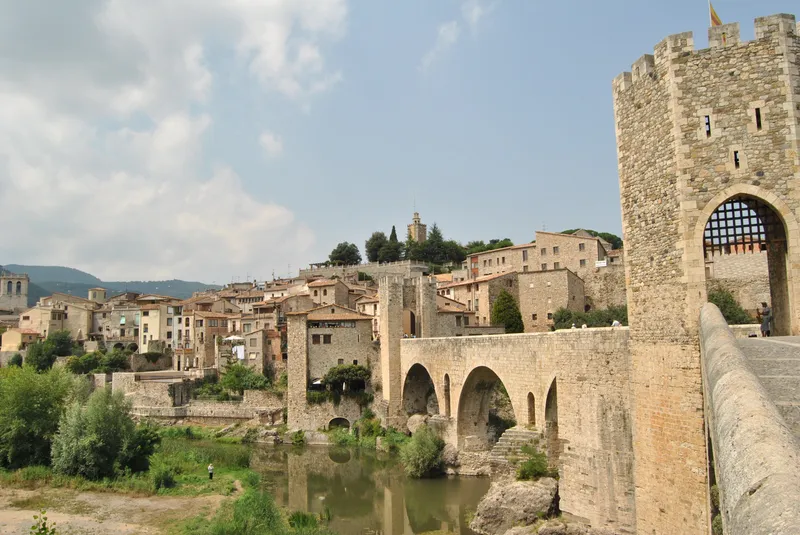
Óbidos is, plainly, one of the prettiest small towns in Portugal, and that beauty is the whole point. Living inside or beneath the medieval walls means waking to cobbled lanes, whitewashed houses, and views over the Oeste plain, all wrapped in excellent safety and warm, good food. Internet is fast, English is widely understood in tourist-facing spots, and Lisbon and the coast sit within easy reach. The trade-offs are real, though. This is a small, heavily day-tripped town with a tiny nomad scene, quiet nightlife, and limited long-term rentals, and it is calmest only outside peak visitor hours. A car helps for the region, and anyone craving buzz, community, or a busy work culture will feel the quiet. Go in clear-eyed and it rewards a slower rhythm beautifully. For readers the town is unusually well stocked: UNESCO named it a City of Literature in 2015, and its fourteen bookshops include one inside a church.
- Pros: stunning walled setting, safe, tasty food, fast internet, near Lisbon
- Pros: mild climate, walkable centre, easy access to the Silver Coast
- Cons: tiny nomad scene, quiet nights, and heavy midday tourism
- Cons: limited long-term rentals; a car helps for the wider region
Who Óbidos Is For
Óbidos suits the nomad who wants a charming, slow, cultural base rather than a buzzing work hub. If your ideal month means morning focus in a stone-walled house, an afternoon coffee with ginjinha served in a chocolate cup, and evenings walking near-empty ramparts as the light softens, this town delivers in abundance. It rewards writers, remote workers on their own steady schedule, couples, and anyone drawn to heritage, quiet, and easy weekend escapes to beaches and Lisbon. It is a poorer fit for those who need a lively coworking community, nightlife, or spontaneous social energy, since the scene here is genuinely small and the streets empty after the day-trippers leave. Come for beauty, calm, and a cultured Portuguese rhythm, ideally with a car, and Óbidos becomes a memorable, restful base.
- Great for: slow travellers, writers, and heritage lovers
- Great for: remote workers who self-manage and value quiet
- Less ideal for: nightlife seekers and community-driven nomads
- Best enjoyed with a car and a taste for small-town calm