Cost of Living in Faro
Real market data
Source: Numbeo · August 2026
$1,670/moSolo nomad1-bed centre + living costs
$2,160/moCoupleshared 1-bed + costs
$1,530/moLean / localcheaper area + costs
- 1-bed rent, city centre$1,050€913
- 1-bed rent, outside centre$920€795
- Monthly costs excl. rent (1 person)$620€535
- Meal, inexpensive restaurant$14€12
- Monthly transit pass$43€37
- Buy price, per m² (centre)$4,820€4,188
Prices are from Numbeo (August 2026), converted to USD at $1 = €0.87 (01 Aug 2026). The monthly living-costs figure is our transparent one-person basket, groceries, a few meals out, utilities, phone, internet, transport and essentials, priced from those figures. Solo adds central rent; couple and lean are estimates from the same numbers. The guide below quotes its own monthly range, which is a different measurement rather than a competing one: this table prices a defined basket at the figures above, while that range is a judgement about how somebody actually lives here.
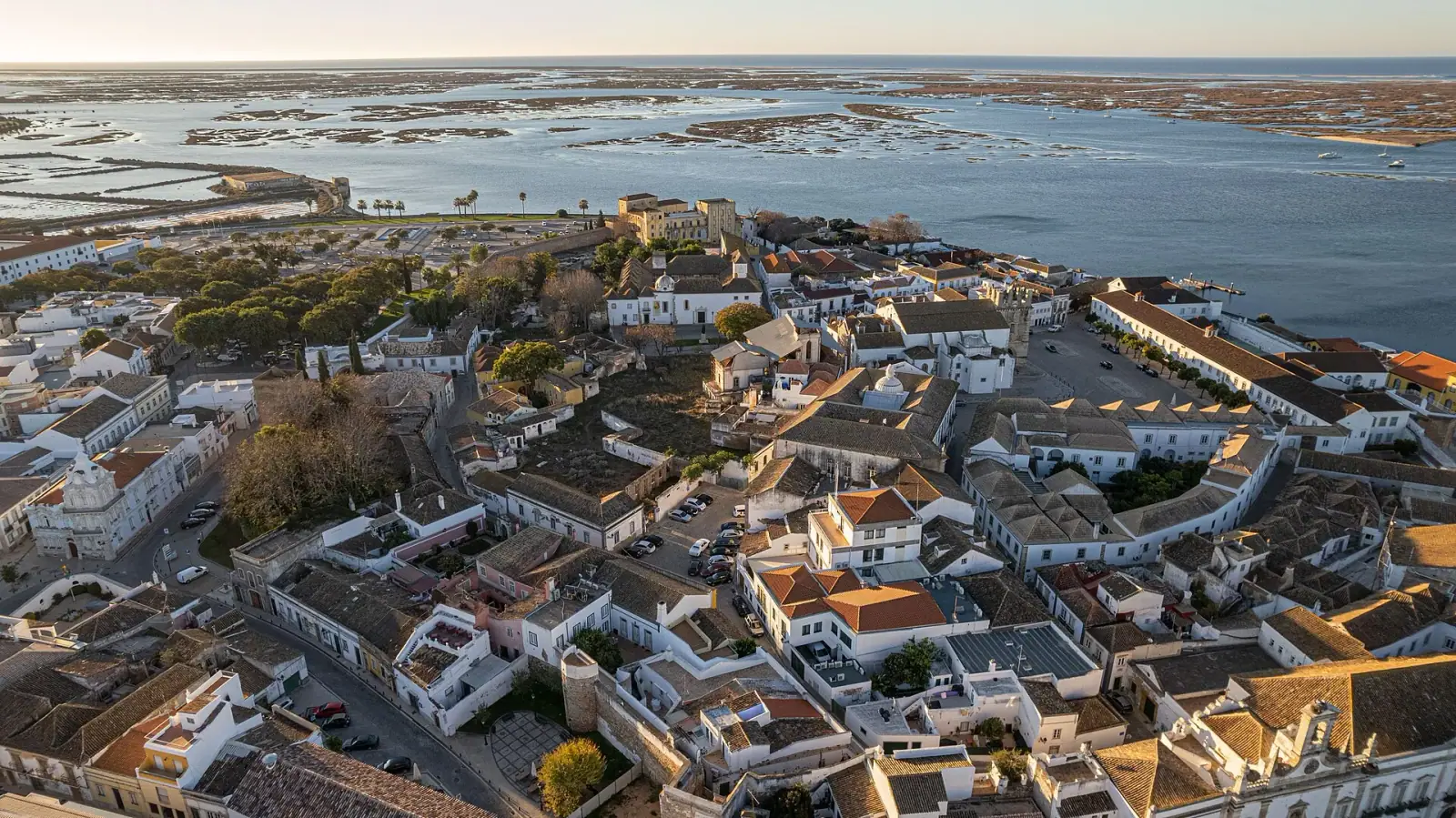
Faro sits at the more affordable end of Portuguese cities. You won't find Lisbon prices here, but the Algarve's tourist-season pull means rents have crept up over the past few years. Here's a realistic monthly breakdown for a single person:
- Rent, central (Sé, downtown, marina area): $970-1,250
- Rent, outer areas (Penha, Gambelas, Montenegro): $630-850
- Groceries (Continente, Pingo Doce, Lidl): $280-340
- Eating out (prato do dia lunch, local tasca): $9-17 per meal
- Mid-range dinner for two: $46-57
- Coffee (espresso/bica): $0.91-1.50
- Coworking hot-desk (day pass): $11-23
- Coworking monthly membership: $91-210
- Local bus pass (Proximo network): $34-46
- Utilities (electricity, water, internet): $91-140
Total realistic monthly range: $1,600-2,150. That assumes you rent your own studio in a non-central area, cook most meals, and use public transport. Living centrally and eating out regularly pushes that to $2,300-2,850.
Where to Work
Faro has a small but functional coworking scene. Alandra Square, near the town center, is the most nomad-friendly option: a compact space with reliable fiber internet, dedicated desks, a meeting room, and lockers. It suits freelancers and remote workers better than large teams. Faro Avenida Business Center on Avenida 5 de Outubro is a larger, more corporate setup with private offices, training rooms, and 24-hour access, better for longer stays or those needing a professional address.
Cafe culture exists in Faro but is uneven for laptop work. The old town tascas are social spaces, not work spots. A handful of cafes near the university (Universidade do Algarve is just outside town) tolerate working laptops for a few hours, but you shouldn't count on fast or stable WiFi. The honest situation: if reliable connectivity matters, book a coworking desk. Coworking spaces advertise connections adequate for video calls. Home fiber connections (NOS, MEO) are typically faster and are the most common nomad setup for longer stays.
Getting Around
Faro's historic core is compact and highly walkable. You can cross the old town on foot in fifteen minutes, and the marina, main market, bus station, and train station are all within a short flat walk of each other. Beyond the center, the city sprawls out and walking becomes less practical.
The Proximo bus network covers the city and connects to the airport and beaches. Bus 16 from the airport to the city center takes around 20 minutes and costs $2.50 on board. Taxis and Bolt/Uber are readily available and cheap by northern European standards: airport to center runs $11-17. Intercity trains connect Faro to Lagos (west) and Vila Real de Santo Antonio (east) along the Algarve line, and there are direct trains to Lisbon (roughly 3 hours 15 minutes).
Many longer-term residents and nomads rent a car or scooter to access beaches outside the city, particularly those on the Ria Formosa barrier islands, which require a ferry crossing. The airport is just 4 km from the center, making it one of the most convenient airport-to-city connections in Portugal.
Sorting transport? Book an airport transfer, or compare car rental on Auto Europe and QEEQ.
Visas and Staying Long-Term
Citizens of the EU and Schengen Area can stay indefinitely. Citizens of the US, UK, Canada, and Australia can enter Portugal visa-free for up to 90 days in any 180-day period under the Schengen rules.
For stays beyond 90 days, Portugal offers the D8 Digital Nomad Visa, aimed at remote workers and freelancers. In 2026 the income requirement is about $4,240 per month (four times Portugal's minimum wage). The residence version leads to a two-year permit that renews for three years, with permanent residency possible after five years and citizenship, for most non-EU nationals, after ten. The application process involves proving remote income, health insurance coverage, a clean criminal record, and accommodation in Portugal. Processing typically takes 30-60 days after submission.
Best Time to Visit
Faro gets around 3,000 hours of sunshine per year, and no month is truly hostile. That said, there are clear windows for nomad life.
April to June is the best combination of weather and livability. Temperatures sit at 18-25°C (64-77°F), rain is minimal, and the city hasn't yet swollen with summer tourists. You get outdoor cafe life, empty beaches on weekday mornings, and reasonable accommodation prices.
September to October is a close second. The summer crowds thin out, the sea is at its warmest (around 22-23°C), and prices drop noticeably after mid-September.
July and August bring heat (peaks around 30-34°C / 86-93°F), packed streets, full coworking spaces, and inflated short-term rents. If you can lock in a monthly rate before peak season, it's manageable, but it's not the ideal working environment.
November to February is quiet and mild (15-17°C / 59-63°F) with occasional rain. Faro becomes a locals-only city, some restaurants reduce hours, and the beach islands are largely deserted. For focused, distraction-free work in a slower pace, this window has its appeal.
Pros and Cons
- Mediterranean climate with 300+ sunny days per year
- Airport 4 km from center, with direct flights to most of Europe
- Lower cost than Lisbon or Porto while still offering urban amenities
- English widely spoken, large established expat community
- Excellent seafood and food market (Mercado Municipal)
- Very safe city, one of the lowest crime rates in the Algarve
- Ria Formosa natural park directly accessible from the city
- Small coworking scene, limited options outside Alandra Square and Faro Avenida
- Nomad community is thin compared to Lisbon, Porto, or Lagos
- Peak-season crowds and pricing (July-August) can feel at odds with productive work
- Limited nightlife for a city its size, especially in off-season months
- Rents have risen steadily since 2022, especially for furnished short-term lets
- Car or scooter useful for accessing beaches and surrounding towns
Who Faro Is Best For
Faro suits remote workers who want a genuine Portuguese city rather than a nomad hub. If you've already done Lisbon and Porto and want something quieter, more affordable, and with actual sun, Faro delivers. It works particularly well for people who value proximity to nature: the Ria Formosa lagoon and the western Algarve's dramatic coastline are both accessible from here. Retirees and longer-term expats are well catered to, with established English-speaking services, a walkable center, and healthcare access.
Skip Faro if your work depends on a large co-working community, regular in-person networking, or the kind of nomad infrastructure that cities like Lisbon, Madeira, or Bali have built up. It's also a poor fit if you need to be in-person in a major business hub regularly, since intercity travel, while easy to Lisbon, still takes the better part of a day. Those seeking vibrant late-night scenes or a younger, highly social nomad crowd will find the city too quiet for that, outside of the peak summer months.