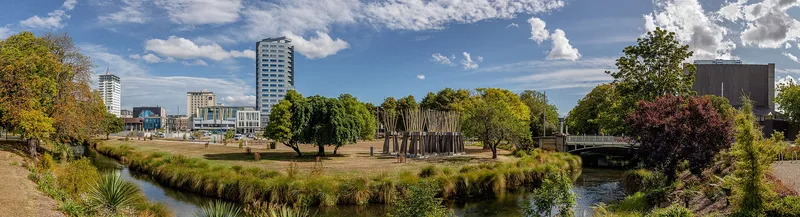
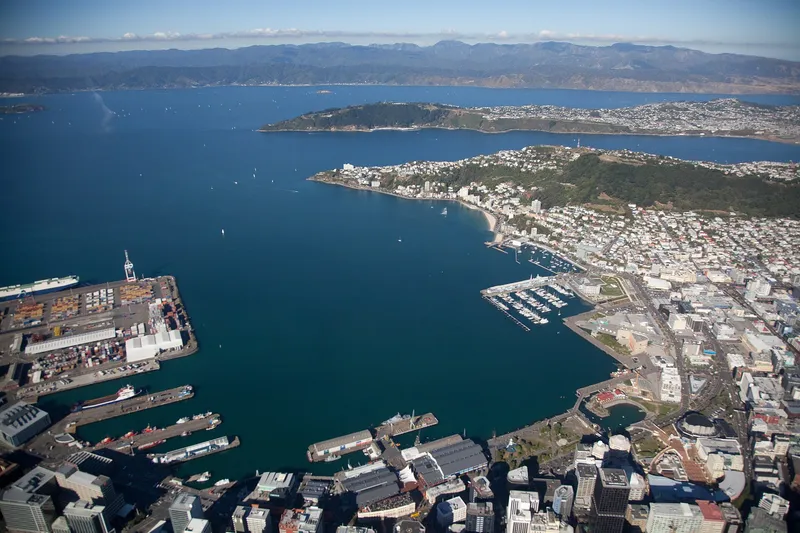
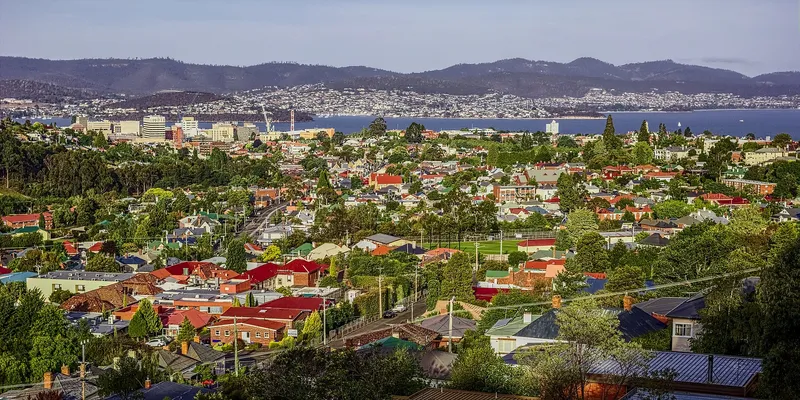
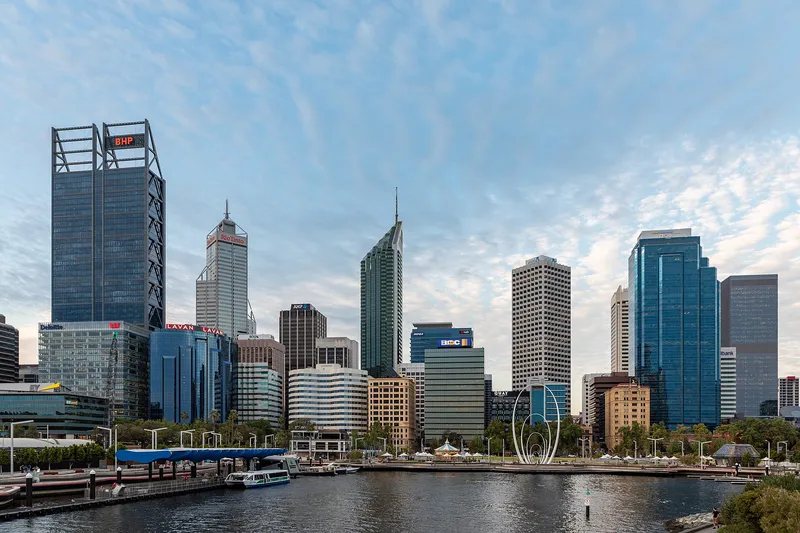
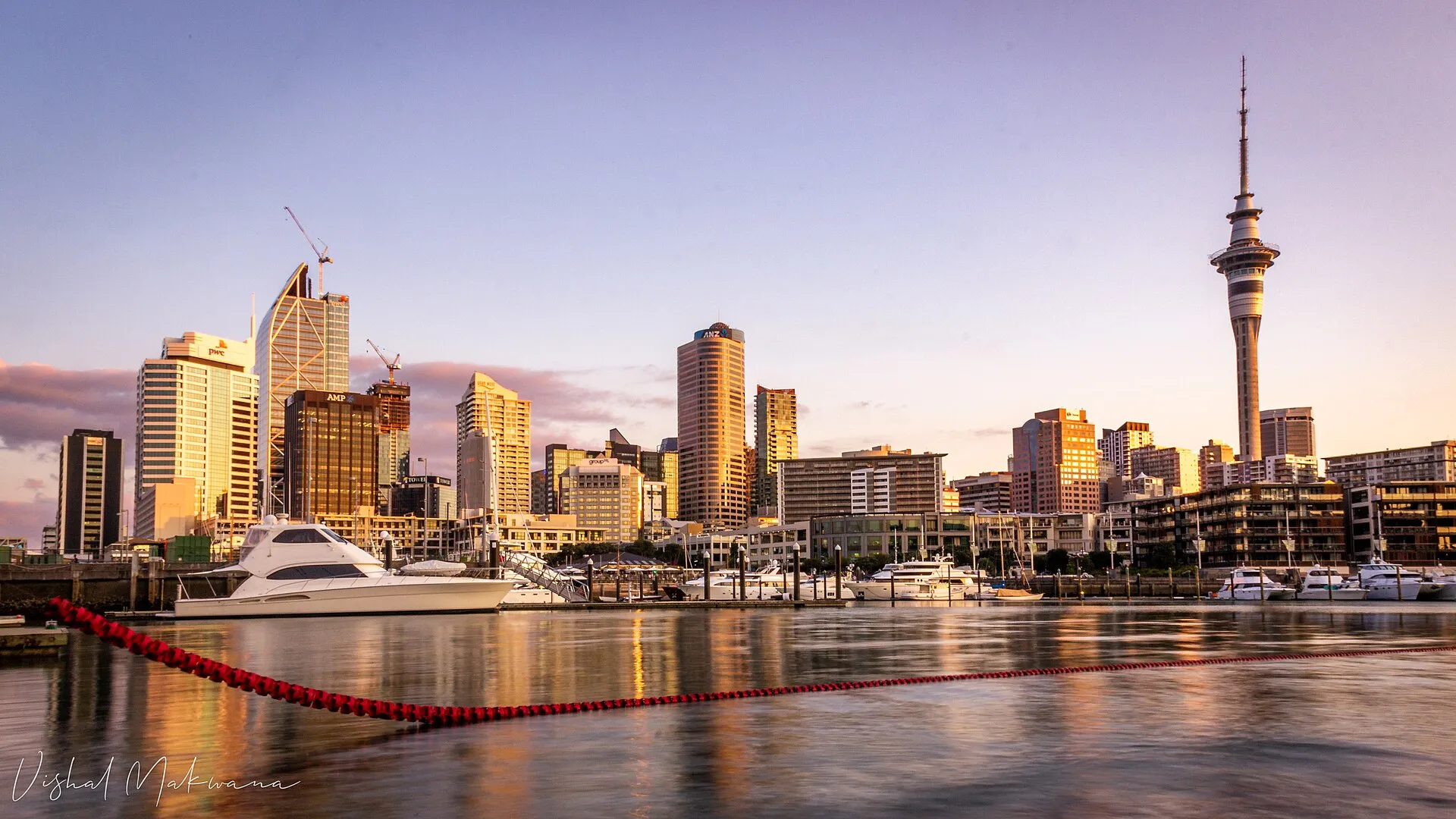
Auckland skyline and Sky Tower at golden hour, viewed from Wynyard Quarter marina
Photo: Vishal Makwana / Wikimedia Commons (CC BY 2.0)
New Zealand flag

Auckland

New Zealand

City of sails where urban life meets Polynesian culture.

NZ$3.800
Monthly Budget
--
Current Weather
Oceanic
Climate Type
80 Mbps
Avg. WiFi Speed
8/10
Safety Score
2,000+
Active Nomads
--
Time Difference
Scroll
0
Nomad Score

A Remote Worker's Guide to Auckland

City of sails where urban life meets Polynesian culture. What pulls nomads here is English, backed by nature and fast WiFi. Budget around $3,800 a month. Cost is the weak spot.

Compare Auckland vs Christchurch →

Category Breakdown

How Auckland scores across all 13 factors

Weather in Auckland

Monthly averages from 2019-2023 (Open-Meteo), and the best time to visit

23°
18°
Jan
23°
18°
Feb
22°
16°
Mar
20°
15°
Apr
18°
13°
May
15°
11°
Jun
15°
10°
Jul
15°
10°
Aug
16°
11°
Sep
17°
12°
Oct
19°
14°
Nov
21°
16°
Dec
Daily high & low (°C)Rainfall (mm/month)Best months to visit

The best time to visit Auckland for comfortable weather is Jan, Feb, Mar. The warmest month is Jan (around 23°C by day), and the wettest is Aug (about 132mm of rain).

Chasing good weather? See other cities that are warm in Jan, or plan a multi-city route around the seasons. Staying a while in Auckland? Check visa options, your time-zone overlap and how far your budget stretches, or find it on the world map.

Historical monthly averages, not a forecast. Source: Open-Meteo.

Best Neighborhoods in Auckland

Where to base yourself for the perfect nomad experience

Ponsonby

$$$
Trendy & Village

Auckland's trendiest strip with brunch culture

Ponsonby Road is Auckland's trendiest address - boutiques, brunch spots, and cocktail bars line this vibrant strip. Victorian villas house young professionals and creatives. It's expensive but delivers Auckland's best urban village life.

Best for: Young professionals, foodies, and nomads seeking Auckland's most walkable neighborhood
✓ Pros
  • Best restaurants
  • Walkable strip
  • Great cafes
  • Village feel
✗ Cons
  • Very expensive
  • Parking issues
  • Crowded weekends

Grey Lynn

$$
Residential & Family

Ponsonby's quieter neighbor with family charm

Grey Lynn offers Ponsonby lifestyle at slightly better prices. Tree-lined streets, excellent schools, and proximity to Ponsonby Road attract families and professionals seeking neighborhood life with urban access.

Best for: Families, couples, and nomads seeking quieter alternative to Ponsonby
✓ Pros
  • Good value
  • Quiet streets
  • Near Ponsonby
  • Parks
✗ Cons
  • Less exciting
  • Limited cafes
  • Need transport

CBD / Britomart

$$$
Urban & Waterfront

Auckland's urban heart with waterfront access

Auckland's CBD centers around Britomart - the restored heritage precinct with Auckland's best bars and restaurants. Viaduct Harbour adds waterfront dining, while Queen Street offers urban convenience. Auckland at its most cosmopolitan.

Best for: Business travelers, urban enthusiasts, and nomads wanting central convenience
✓ Pros
  • Waterfront access
  • Great restaurants
  • Transport hub
  • Walking friendly
✗ Cons
  • Expensive
  • Corporate feel
  • Quiet weekends

Kingsland

$$
Alternative & Local

Auckland's alternative hub with craft beer

Kingsland is Auckland's alternative neighborhood - craft breweries, vintage shops, and proximity to Eden Park create a distinctly local vibe. More affordable than Ponsonby with growing creative energy and excellent transport links.

Best for: Creatives, beer lovers, and nomads seeking affordable alternative to Ponsonby
✓ Pros
  • Craft beer scene
  • More affordable
  • Good transport
  • Local vibe
✗ Cons
  • Match day chaos
  • Limited dining
  • Smaller area

Devonport

$$
Village & Seaside

Village life with ferry commute and volcano views

Devonport is Auckland's charming seaside village - just a ferry ride from the CBD. Victorian architecture, volcano walks, and beach access create small-town appeal with city proximity. Perfect for those seeking space and character.

Best for: Families, nature lovers, and nomads seeking village life with city access
✓ Pros
  • Ferry commute
  • Beach access
  • Village charm
  • Volcano walks
✗ Cons
  • Ferry dependent
  • Quiet evenings
  • Limited nightlife

Cost of Living in Auckland

Auckland is New Zealand's largest city and one of its most expensive. Prices here are quoted in New Zealand dollars (NZD), and rent is almost always advertised per week, so multiply the weekly figure by about 4.3 to get a monthly number. At the time of writing, 1 NZD is roughly 0.60 USD, so a good rule of thumb is to take about 40 percent off any NZD figure to get a rough USD equivalent.

Here is a realistic monthly budget for one person:

  • Rent, one-bedroom in a central area (CBD, Ponsonby, Grey Lynn): NZD 2,100 to 2,700 (about USD 1,260 to 1,620).
  • Rent, one-bedroom in a cheaper suburb (out west or south, or a room in a flatshare): NZD 1,300 to 2,000 (about USD 780 to 1,200). Flatting, meaning renting a room in a shared house, is how most newcomers keep housing affordable.
  • Groceries: NZD 500 to 750 (about USD 300 to 450). Food is pricey by international standards. A litre of milk runs around NZD 3.20, a dozen eggs about NZD 10, and a kilo of chicken about NZD 18.
  • Eating out: a casual meal is roughly NZD 25, a mid-range dinner for two around NZD 120, and a flat white about NZD 6.
  • Coworking hot desk: NZD 35 to 45 per day, or roughly NZD 300 to 500 per month for a part-time or full membership.
  • Local transport: a HOP monthly pass is around NZD 215 (about USD 130); pay-as-you-go single fares start near NZD 2.80.
  • Utilities and internet: around NZD 315 for power, water and gas on a typical flat, plus roughly NZD 80 for fibre broadband.

All in, a single nomad should plan for NZD 3,000 to 4,500 per month (about USD 1,800 to 2,700), with rent as the swing factor. Auckland is not a cheap base, so budget honestly before you commit.

Where to Work

Auckland has a mature coworking scene concentrated around the CBD, Ponsonby and the waterfront. GridAKL in the Wynyard Quarter is the tech and startup hub, good for anyone in software or creative work. Thinkspace runs central locations with hot desks around NZD 42 per day plus GST and premium amenities. Textile Lofts in Parnell is a boutique option with 24/7 access, and The Workshop has spaces in Ponsonby and Avondale. Budget-focused options like CBD Office offer day passes around NZD 35, and there are neighbourhood spaces such as Qb Studios and BizDojo scattered across the inner suburbs.

Cafe-work culture is strong. Auckland takes its coffee seriously, and inner-city and Ponsonby cafes are used to people lingering with a laptop, especially outside the lunch rush. Free WiFi is common in cafes, libraries and malls, but it is not always fast or reliable, so a cafe is fine for email and calls, less so for heavy uploads. Home fibre and mobile data are generally solid, and a local prepaid SIM with a data plan is a cheap, sensible backup for tethering.

Getting Around

Public transport runs on the AT HOP card, a reusable prepaid card that costs NZD 5 and covers buses, trains and most ferries. You can also tap on with a contactless debit or credit card. Cash is not accepted on buses. Fares are zone-based, single trips start around NZD 2.80, and you can transfer between services on one fare if you connect within 30 minutes. Trains cover a handful of lines into the CBD, buses fill the gaps, and ferries run across the harbour to places like Devonport and Waiheke Island, which double as pleasant day trips.

Here is the honest part: Auckland is sprawling and built around cars. Public transport works well for commuting into the central city, but crossing the suburbs by bus can be slow. If you plan to explore the wider region or live outside the inner ring, a car is genuinely useful, though parking downtown is expensive.

Getting to and from Auckland Airport (AKL) is straightforward. The orange AirportLink bus connects the terminals to Puhinui and Manukau stations, where you transfer to a train into the city using your HOP card. The SkyDrive express shuttle runs between the airport and downtown SkyCity for about NZD 20. Rideshare and taxis are available but cost considerably more.

Visas and Staying Long-Term

Most visitors from visa-waiver countries do not need a visa in advance, but you must request an NZeTA (New Zealand Electronic Travel Authority) before you travel. It is valid for multiple entries over two years. Under the visa waiver you can generally stay up to 3 months, while UK passport holders can stay up to 6 months.

Since a change effective 27 January 2025, visitor visas and NZeTA entries allow you to work remotely for an overseas employer or your own overseas clients while in New Zealand. There is no cap on how much remote work you do, but it cannot be the main reason for your visit, which should remain tourism or similar. You cannot work for a New Zealand employer or provide services to people or businesses inside New Zealand. On tax, if you are here for less than 92 days in a 12-month period and your income is taxed elsewhere, you may not owe New Zealand tax, though this depends on treaties and your situation.

If you want to stay longer, you can apply to extend a visitor visa. Because rules and stay lengths vary by nationality and change over time, confirm the current conditions for your passport with Immigration New Zealand before you book.

Best Time to Visit

Auckland sits in the southern hemisphere, so the seasons are flipped from Europe and North America. The climate is mild year-round but genuinely rainy, and the weather can change several times in a day. Summer, from December to February, is the warmest and driest window, with long evenings and the city at its liveliest, though it is also peak season for prices and crowds.

Autumn, from March to May, is arguably the sweet spot for remote work: settled weather, fewer tourists and softer costs. Winter, from June to August, is cool and wet rather than cold, and while it is quiet and cheaper, the short damp days can wear on you. Spring, from September to November, warms up steadily and is another solid, less-crowded choice.

Pros and Cons

Pros:

  • Clear, legal path to work remotely on a visitor visa or NZeTA since 2025.
  • Excellent coffee and cafe culture, plus a solid coworking scene.
  • Safe, clean, and English-speaking, with easy access to beaches, harbours and the outdoors.
  • Reliable home internet and a friendly, laid-back pace of life.

Cons:

  • Expensive across the board, especially rent and groceries.
  • Sprawling and car-reliant, so getting around without a vehicle takes patience.
  • Geographically isolated, meaning long, costly flights to almost anywhere else.
  • Frequent rain and changeable weather can dampen plans.

Who Auckland Is Best For

Auckland suits nomads with a comfortable budget who value safety, nature and quality of life over low costs. It is a strong fit if you love the outdoors, want an English-speaking base in the Pacific, and plan to explore the rest of New Zealand from a stable home city. Remote workers on stable overseas income who can absorb high rent will get the most out of it.

You should probably skip Auckland if you are on a tight budget, want a walkable and car-free city, or need to be a short flight from clients and other nomad hubs. Budget travellers and anyone chasing a cheap, dense, fast-moving base will find better value in Southeast Asia, Latin America or parts of Europe.
Where to Stay in Auckland

Top neighborhoods and accommodations for digital nomads

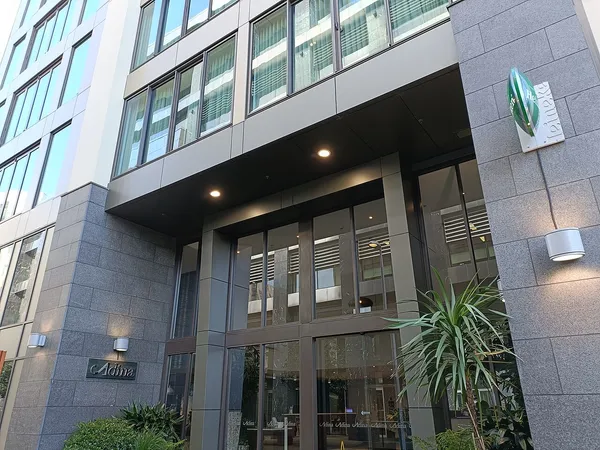
Adina Apartment Hotel Auckland Britomart entrance with Adina signage, Britomart district

Photo: Pakoire (CC BY-SA 3.0)

Adina Apartment Hotel Auckland Britomart

Aparthotel
Britomart

Spacious studio and one-bedroom apartments with full kitchens near Britomart transport hub, walkable to cafes and coworking spaces.

Check availability →
Avani Auckland Metropolis Residences Kitchener Street frontage, Auckland CBD

Photo: Paora (CC0 1.0)

Avani Metropolis Auckland Residences

Serviced apartments
CBD

4-star CBD residences with full apartment amenities, reliable WiFi, and easy access to cafes, transit, and the Viaduct waterfront.

Check availability →

Quest on Beaumont

Serviced apartments
Freemans Bay

Apartment-style units with full kitchens, desks, and laundry; steps from Victoria Park and a short walk to Ponsonby and the Viaduct.

Check availability →

Hotel DeBrett

Boutique hotel
CBD

25-room boutique hotel on High Street with a 9.2 Booking score, fast WiFi, and walkable access to cafes, galleries, and transit.

Check availability →

Browse apartments, aparthotels and hotels across Auckland. Compare prices and book a base that suits a remote-work stay.

See available stays in Auckland →

Affiliate link. See our disclosure.

Best Coworking Spaces

Where nomads get work done in Auckland

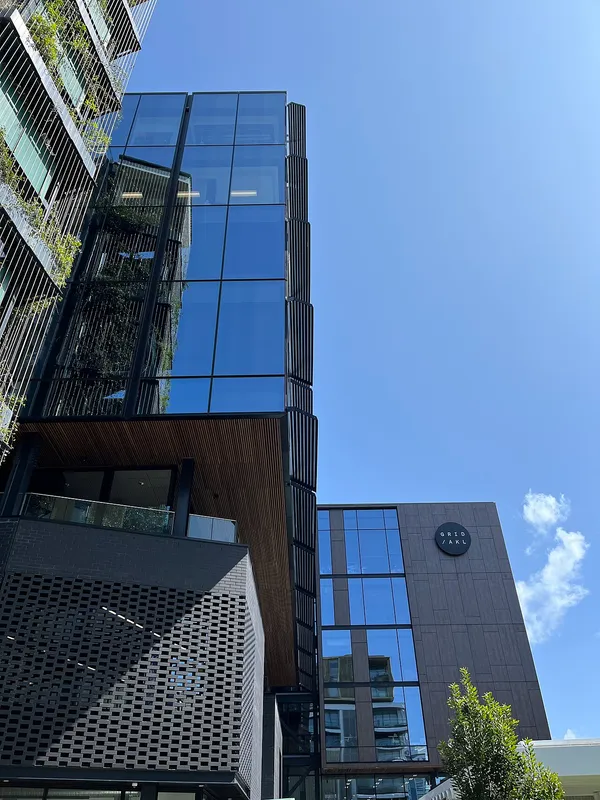
GridAKL building exterior in Wynyard Quarter, Auckland, showing the GRID/AKL logo on the facade

Photo: Bread1905 (CC0 1.0)

GridAKL

Innovation precinct coworking
Wynyard Quarter

5-star Green Star rated waterfront hub at the heart of Auckland's tech and startup ecosystem with fast fibre and regular community events.

Visit website →

BizDojo Ponsonby

Community coworking
Ponsonby

Top-floor coworking in the Cider Building on Williamson Avenue with hot desks, dedicated desks, an on-site coffee bar, and a sunny terrace.

Visit website →

Generator Britomart Place

Premium flexible workspace
Britomart

A-grade harbour-view workspace across two levels with private offices, flexible desking, meeting rooms, and an on-site bar and cafe.

Visit website →

Thinkspace Ponsonby

Creative coworking
Ponsonby

Relaxed, creatively minded coworking space with four meeting rooms, hot desks, and an on-site cafe a short walk from Ponsonby Road eateries.

Visit website →

Amano

Laptop-friendly cafe and restaurant
Britomart

Celebrated Italian-inspired bakery and restaurant in Britomart with free Wi-Fi, communal seating, and a full menu from breakfast through dinner.

Visit website →

Daily Bread

Artisan bakery cafe
Grey Lynn

Beloved Grey Lynn bakery cafe with a large communal table, free Wi-Fi, excellent coffee, and fresh pastries in a friendly, unhurried atmosphere.

Visit website →

Where to Eat & Drink

Best food and drink spots in Auckland

Ahi

Fine dining, New Zealand cuisine
Auckland CBD

Michelin-recognised restaurant by chef Ben Bayly at Commercial Bay celebrating seasonal New Zealand produce with harbour views.

Visit website →

Alma

Spanish, wood-fire cooking
Britomart

Andalusian-inspired restaurant at the corner of Gore and Tyler Street cooking over an open wood fire with an exceptional gin and sherry list.

Visit website →

Hello Beasty

Modern NZ fusion
Viaduct Harbour

All-day waterfront restaurant blending Japanese, Korean, and New Zealand influences; consistently booked out and rated among Auckland's best.

Visit website →

Pici

Italian pasta bar
Karangahape Road

Hand-rolled pasta and natural wine bar inside St Kevin's Arcade on K Road; the cacio e pepe is a standout and the space has a cult following.

Visit website →

Gemmayze Street

Lebanese, Middle Eastern
Karangahape Road

Modern Lebanese restaurant in St Kevin's Arcade serving bold mezze and sharing plates made from local NZ produce with Middle Eastern technique.

Visit website →

Apero Food and Wine

Wine bar, sharing plates
Karangahape Road

K Road wine bar inspired by the French aperitif tradition, offering curated natural wines and sharing plates in a relaxed, convivial setting.

Visit website →

What Do Nomads Say?

Vote on how accurate these scores are based on your experience

Cities with a Similar Vibe to Auckland

Different places that score alike across our 13 categories, if you like Auckland, these tend to feel similar.

In the rankings

Where Auckland ranks

Auckland features in 1 of our 32 city rankings.

  1. 7Best cities in Oceania

Frequently Asked Questions About Auckland

How much does it cost to live in Auckland as a digital nomad?

Budget roughly $3,800 a month in Auckland for a furnished place, food, coworking, and transport. The most popular central areas cost more; suburbs and local spots cost noticeably less.

Is the internet fast enough for remote work in Auckland?

Auckland rates 8 out of 10 for WiFi in our scoring, so it handles video calls and daily remote work excellent. Carry a local SIM with data as a backup for cafes and travel days.

Is Auckland safe for digital nomads?

Our safety score for Auckland is 8/10, excellent for nomads. As anywhere, watch your belongings, favor busier streets after dark, and research neighborhoods before you book.

Is Auckland a good city for digital nomads overall?

Auckland stands out for English and nature among remote workers. With a typical budget near $3,800 a month and a growing nomad scene, it suits anyone whose priorities line up with those strengths.