Cost of Living in Mauritius
Where this figure comes from. No cost survey covers Mauritius, so the $2,200 a month above is our own estimate rather than a measurement. On 416 of our 999 city guides the figure is built from a published Numbeo basket, a one-bedroom rent in the centre plus one person's monthly costs without rent, converted to USD; this city is not one of them. How we source everything.
Mauritius is not the cheapest destination in the Indian Ocean, but it offers reasonable value once you move away from the tourist resorts. All prices below are in US dollars, converted from Mauritian rupee prices.
- Rent, central Grand Baie or Port Louis: $785-1,170 per month for a furnished one-bedroom apartment
- Rent, quieter areas (Flic en Flac, Tamarin, Quatre Bornes): $385-680 per month for a one-bedroom
- Groceries: $170-235 per month cooking mostly at home, buying from local markets and supermarkets like Super U or Jumbo
- Eating out: $6.50-11 for a local restaurant meal; $21-43 at a sit-down seafood or tourist-facing restaurant
- Coworking hot-desk: $9.50-11 day pass; $64-130 monthly membership at most spaces
- Local transport: about $0.50 per bus ride; taxi fares are negotiated and typically $6.50-13 for short trips; car rental from $19 per day
- Total monthly range: A realistic budget runs $1,170-1,960 for a comfortable nomad lifestyle without renting a car; push that to $2,500 if you rent a vehicle and eat out frequently
Imported goods, alcohol, and anything sold in beach-resort areas carry a significant markup. Buying fresh produce from local markets and cooking at home keeps costs much lower.
Where to Work
The coworking scene in Mauritius has grown steadily. Workshop17 in Grand Baie is the most prominent option in the north, with 24/7 access, fast fiber internet, meeting rooms, and a rooftop terrace. It won best coworking space at the 2023 Mauritius Real Estate Awards. Day passes start at $11. The Hive operates multiple locations including Floreal, Beau Plan, and Cap Tamarin, with a $85 monthly membership covering all sites. The Yard in Tamarin serves the west coast, offering dedicated desks and private offices. CoLab in Black River near Vanilla Village is popular with the south-west community.
Cafe-work culture exists but is uneven. Some beachside cafes are tolerant of laptops; others prefer table turnover and will not welcome a four-hour work session.
WiFi reliability is decent in tourist and business zones. 4G coverage is strong across most of the island, and 5G is expanding. Remote areas and the central highlands can have patchy connectivity. Coworking spaces offer the most dependable connections for video calls and large uploads.
Getting Around
Mauritius has no Uber or Bolt. The public bus network is extensive and cheap, with fares of about $0.50 depending on distance, running roughly 5:30 am to 8:00 pm. A Metro Express light rail connects Port Louis to Curepipe, requiring a prepaid MECard. Buses do not serve all areas equally; the west and south coasts are harder to reach without your own transport.
Renting a car is the single biggest quality-of-life upgrade for long-stay nomads, with rentals from around $19 per day. Scooter rentals are available from $9.50 per day and work well in coastal towns. Taxis are abundant but unmetered, so agree on the price before you get in. Local apps like Yugo and MyTaxi Mauritius offer more transparent booking.
The airport (Sir Seewoosagur Ramgoolam International) is in the southeast, about 48 km from Port Louis. Expect a taxi fare of $26-43 to Grand Baie or Port Louis. There is no direct airport bus, though public buses stop nearby.
Walkability is limited outside city centers. Port Louis's business district is walkable. Grand Baie has a compact tourist strip you can walk. Everywhere else, you need wheels.
Sorting transport? Book an airport transfer, or compare car rental on Auto Europe and QEEQ.
Visas and Staying Long-Term
Citizens of most Western countries, including the US, EU nations, Canada, and Australia, enter Mauritius visa-free for up to 90 days; British citizens get up to 60 days. Mauritius also offers a Premium Visa, which is the island's dedicated digital nomad visa. It is free to apply for and valid for one year, renewable annually. You must show a minimum monthly income of at least $1,500 (more if you bring family), proof of health insurance, and proof of accommodation. The application is fully online and officially processes in 48 hours, though in practice it can take 2-8 weeks.
After 183 days on the island in a calendar year, you are considered a tax resident.
Best Time to Visit
Mauritius has two main seasons. The dry, cooler winter runs from May through October, with temperatures between 18-26°C (64-79°F), lower humidity, and far less rain. This is the best window for remote work: pleasant conditions, fewer power outages, and no cyclone risk. The east coast gets the trade winds year-round, so the west and north coasts are generally calmer.
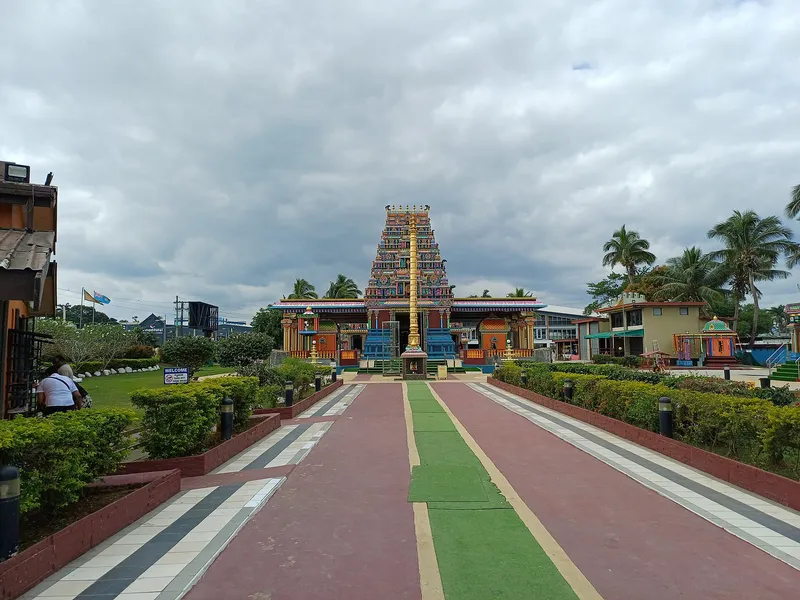
The hot, humid summer from November through April brings higher temperatures (25-33°C), heavier rainfall, and cyclone season peaking January through March. Cyclones are infrequent but can knock out power and internet for days. If you must visit in summer, January and February are the months to be most cautious about. October is often cited as a sweet spot: dry weather, manageable heat, and the Hindu festival of Diwali adds a cultural bonus.
For pure remote work comfort, June through September is the recommended window.
Pros and Cons
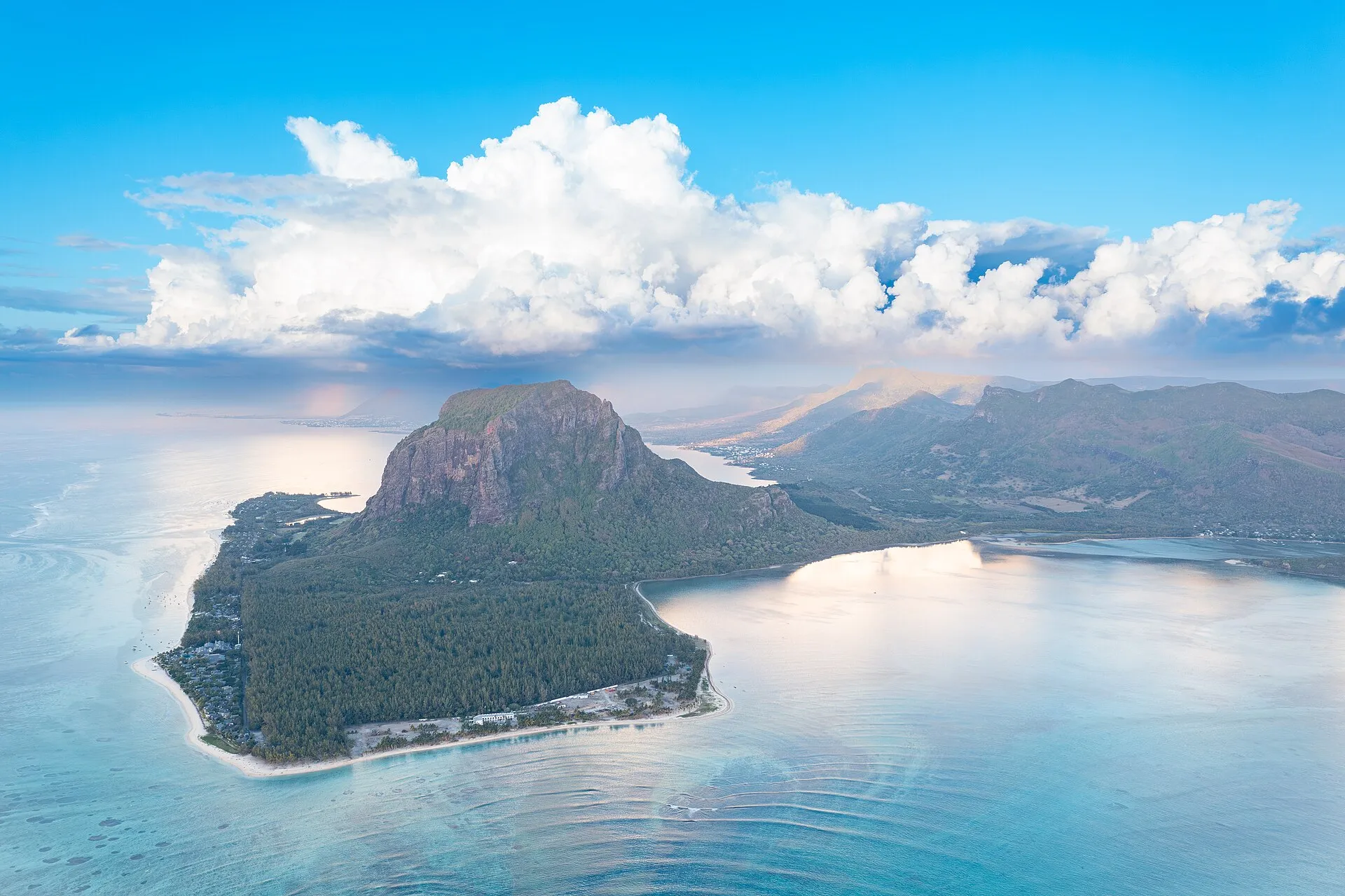
- Pro: Stunning natural environment with beaches, mountains, and coral reefs all within reach
- Pro: English is an official language and widely spoken, making daily life easy
- Pro: Free Premium Visa with clear requirements and a year-long stay option
- Pro: Low crime rates and a politically stable, well-governed country
- Pro: Rich multicultural food scene blending Creole, Indian, Chinese, and French influences
- Pro: Reliable 4G coverage and a growing coworking scene
- Con: No ride-hailing apps; getting around without a car or rental is genuinely inconvenient
- Con: Tourist-facing prices in beach areas are high; budget nomads will need to seek out local spots deliberately
- Con: The nomad community is small compared to Southeast Asia or Latin America hubs
- Con: Cyclone risk during summer months can disrupt work and travel plans
- Con: Remote and rural areas have poor public transport and spotty internet
- Con: Flights to and from Mauritius are expensive and often involve layovers
Who Mauritius Is Best For
Mauritius suits nomads who want a beautiful, safe, English-speaking island base with real infrastructure, and who are happy renting a car and building their own routine rather than plugging into a ready-made nomad circuit. It works especially well if you want to combine a genuine remote work schedule with water sports, hiking, and a multicultural food culture.
It is a strong fit for:
- Couples or families who want stability, safety, and natural beauty for a six-to-twelve month stay
- Nomads from Europe or the Middle East seeking a convenient Indian Ocean time zone (UTC+4)
- Those who can budget at least $1,500-2,000 per month and do not need a buzzing nomad scene around them
Skip Mauritius if you are on a tight budget under $1,000 per month, if you depend on public transport, or if you need a large active nomad community for social and professional connection. Solo nomads who thrive on spontaneity may find the island's limited nightlife and relatively quiet pace a drawback. Bali, Chiang Mai, or Lisbon will serve that profile better.