Cost of Living in Hobart
Real market data
Source: Numbeo · August 2026
$2,780/moSolo nomad1-bed centre + living costs
$3,540/moCoupleshared 1-bed + costs
$2,340/moLean / localcheaper area + costs
- 1-bed rent, city centre$1,830A$2,600
- 1-bed rent, outside centre$1,380A$1,970
- Monthly costs excl. rent (1 person)$950A$1,355
- Meal, inexpensive restaurant$19A$27
- Monthly transit pass$98A$140
- Buy price, per m² (centre)$9,040A$12,867
Prices are from Numbeo (August 2026), converted to USD at $1 = A$1.42 (01 Aug 2026). The monthly living-costs figure is our transparent one-person basket, groceries, a few meals out, utilities, phone, internet, transport and essentials, priced from those figures. Solo adds central rent; couple and lean are estimates from the same numbers.
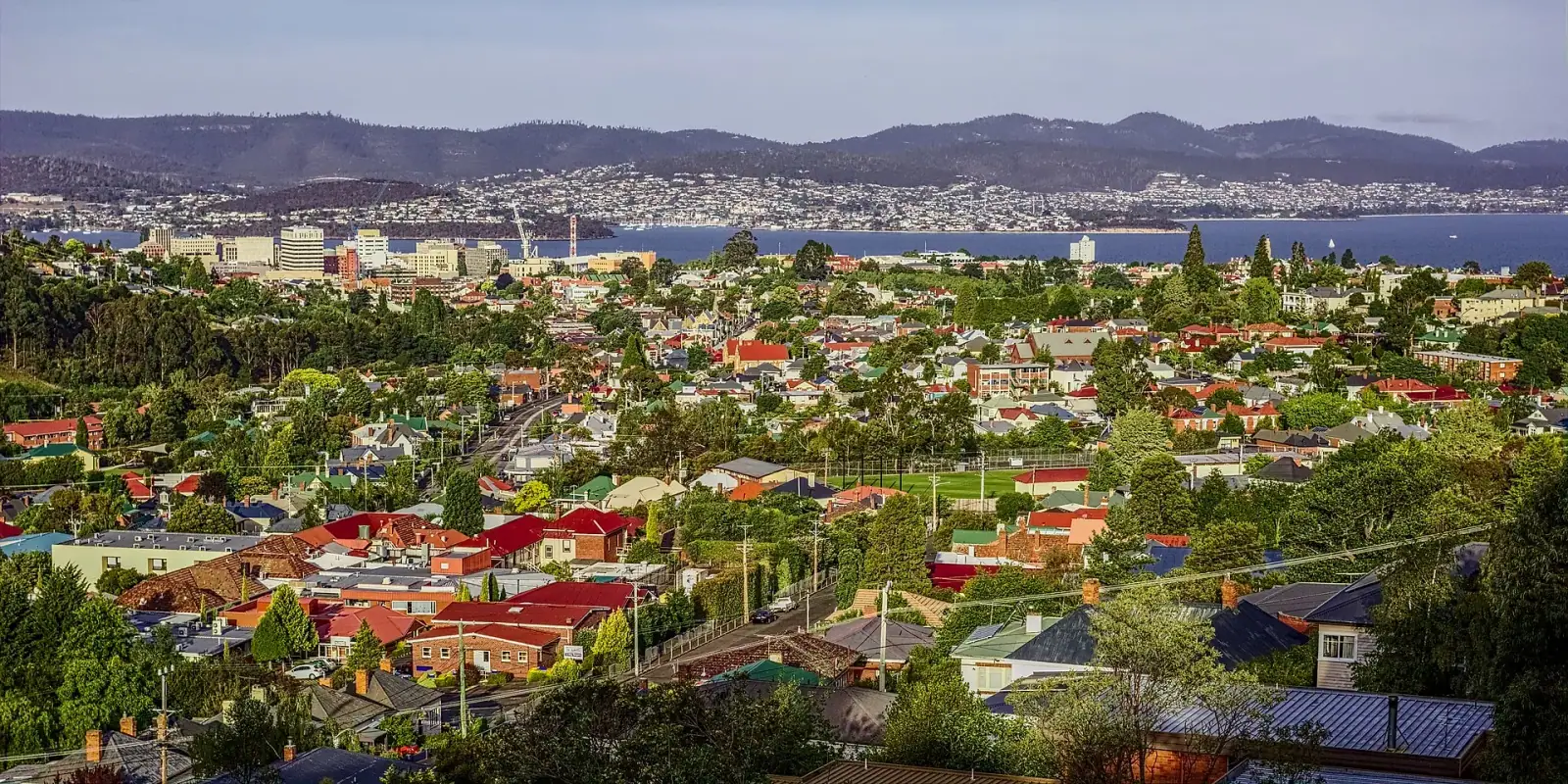
Hobart is one of Australia's more affordable capital cities, but it is still expensive by global nomad standards. Expect to spend more than in Southeast Asia or most of Europe, but less than Sydney or Melbourne.
- Rent, 1BR central (CBD, Salamanca, Waterfront): $985-1,190/month
- Rent, 1BR cheaper area (North Hobart, Moonah, Glenorchy): $700-915/month
- Groceries (one person, cooking at home): $245-350/month
- Eating out (casual, per meal): $13-20; a sit-down dinner with a drink runs $28-42
- Coworking hot desk (Parliament or Enterprize): $155-195/month
- Local transport (Metro bus pass): $49-70/month; many central areas are walkable
- Total realistic range: $2,110-2,950/month depending on lifestyle
The AUD/USD rate fluctuates; budget on $0.50 = approximately $0.67 as a working figure. Hobart has cheaper rents than Sydney or Melbourne, but restaurants and groceries are comparable across Australian cities.
Where to Work
Hobart has a small but solid set of coworking options and a cafe culture that is generally welcoming to laptop workers.
Coworking Spaces
- Parliament Coworking (107 Murray St, CBD; also Moonah): Hobart's most-loved option, housed in a converted sail loft near the waterfront. Hot desks from $155/month, 24/7 access, reliable fibre internet. The Moonah location suits you if you're renting outside the CBD.
- Enterprize (Level 5, 24 Davey St): Day passes at $39, hot desks $195/month, gigabit NBN. More corporate feel, weekday hours only.
- WOTSO WorkSpace (162 Macquarie St): 24/7 access, business-grade fibre WiFi, free coffee and fruit. Day passes from $39.
- Servcorp (111 Macquarie St): Premium end, hot desks from $165/month, full business amenities.
Cafe Working
The cafe scene is friendly to laptops, particularly on weekdays. Machine Laundry Cafe in Salamanca Square has been a local institution since 1997 and is consistently mentioned as a solid work spot. Island Espresso on Elizabeth St offers a cosy upstairs area with exposed brick. Ozus Coffee in Battery Point is quieter and suits focused work. Most decent cafes in the CBD have free WiFi, though speeds vary. On weekends, the Salamanca market draws crowds and cafe tables fill fast.
The Real WiFi Situation
Australia's NBN network gives Hobart solid home and office broadband. Mobile data on Telstra or Optus is reliable in central Hobart but can drop in hilly or suburban areas. Free public WiFi exists at Salamanca Place. For video calls and heavy uploads, a coworking space or your own accommodation with fibre NBN is the safe choice.
Getting Around
Hobart is a small, compact city of around 250,000 people. The CBD and inner suburbs like Salamanca Place, Battery Point, and North Hobart are walkable from each other, and you can cover the main areas on foot in 20-30 minutes.
Public Transport
Metro Tasmania runs buses across the city and to the suburbs. Service is functional but infrequent outside peak hours and non-existent late at night. There is no light rail or tram. For occasional trips, bus fares are reasonable; for daily commuters from the outer suburbs, a car makes life considerably easier.
Cycling and Driving
Hobart is hilly, which makes cycling harder than it looks on a map. A car or scooter is useful for exploring beyond the CBD, especially for day trips to the Huon Valley, Freycinet, or the Tasman Peninsula. Car hire is available at the airport and in the city.
Airport
Hobart Airport (HBA) is 17 km east of the city centre. There is no direct train or dedicated bus link. A taxi or rideshare (Uber operates here) takes around 20-25 minutes and costs $32-46 depending on traffic and time of day. Some hotels run shuttles.
Sorting transport? Book an airport transfer, or compare car rental on Auto Europe and QEEQ.
Visas and Staying Long-Term
Australia does not offer a dedicated digital nomad visa as of mid-2026. Your main options depend on passport and age.
- Visitor Visa (Subclass 600): Available to most nationalities; allows stays up to 3, 6, or 12 months depending on what is granted. You can work remotely for a non-Australian employer on this visa.
- Electronic Travel Authority (ETA, Subclass 601): For eligible passport holders (US, Canada, Japan, South Korea, Singapore, and others); free or low cost, up to 12 months validity with stays of up to 3 months per entry.
- eVisitor (Subclass 651): For eligible European passport holders; free, up to 3 months per stay.
- Working Holiday Visa (Subclass 417/462): For ages 18-30 (or 35 from some countries); 12 months, allows remote work for foreign employers.
Extensions are possible by applying for a new visa before your current one expires.
Best Time to Visit
Hobart sits at 43 degrees south latitude, giving it a cool oceanic climate. Seasons are the reverse of the Northern Hemisphere.
- Summer (December to February): The sweet spot for most visitors. Temperatures reach 18-22 degrees Celsius on most days. Long evenings, outdoor markets, and MONA FOMA festival make the city feel alive. Busiest period, so book accommodation early.
- Autumn (March to May): Excellent for remote workers. Crowds thin out, the light is golden, temperatures are still mild (14-18 degrees Celsius), and coworking spaces are easier to access. March and April are particularly good.
- Winter (June to August): Cold, often grey, and windy. Temperatures sit around 5-12 degrees Celsius and Mount Wellington can see snow. If you enjoy moody landscapes and low accommodation costs, winter has its appeal, but it is not ideal for those who need outdoor time to stay productive.
- Spring (September to November): Unpredictable weather but beautiful when it clears. October and November are pleasant; September can be wet.
For remote work comfort and lifestyle balance, November through April is the recommended window.
Pros and Cons
Pros
- Exceptional food scene, especially seafood and produce-driven restaurants
- MONA (Museum of Old and New Art) is one of the world's most singular cultural institutions
- Clean air, clean water, minimal pollution
- Very safe city with low violent crime
- Excellent hiking, wilderness access (kunanyi/Mount Wellington is 20 minutes from the CBD)
- English-speaking, no language barrier
- Reliable high-speed internet in coworking spaces and most accommodation
- Compact, walkable city centre with a genuine sense of community
Cons
- Expensive for a city of its size; housing costs have risen sharply in recent years
- No dedicated digital nomad visa; Australia's visitor rules limit long stays
- Small international flight network; reaching most of the world requires connecting via Melbourne or Sydney
- Limited nightlife outside a small cluster of bars
- Cold, wet winters that can stretch into spring
- The nomad community is small compared to global hubs
- Public transport is infrequent; a car helps significantly
Who Hobart Is Best For
Hobart suits nomads who prioritise quality of life over cost. If you value extraordinary food, access to raw wilderness, cultural depth, and a city that feels genuinely livable rather than transient, Hobart delivers at a level most small cities cannot match. It is ideal for writers, designers, developers, and creative professionals who draw energy from nature and culture rather than from a buzzing social scene.
Australians and New Zealanders on their own passports will find long-term stays straightforward. Holders of ETA-eligible passports can stack visits with exits, though this requires planning.
You should probably skip Hobart if you are on a tight budget, need a large English-speaking nomad community to plug into, rely on cheap co-working or free cowork spaces, or need frequent direct international flights. It is also a hard sell in winter if you struggle without sun.