Cost of Living in Brisbane
Real market data
Source: Numbeo · August 2026
$2,800/moSolo nomad1-bed centre + living costs
$3,460/moCoupleshared 1-bed + costs
$2,220/moLean / localcheaper area + costs
- 1-bed rent, city centre$1,980A$2,815
- 1-bed rent, outside centre$1,390A$1,986
- Monthly costs excl. rent (1 person)$820A$1,170
- Meal, inexpensive restaurant$18A$25
- Monthly transit pass$21A$30
- Buy price, per m² (centre)$8,200A$11,671
Prices are from Numbeo (August 2026), converted to USD at $1 = A$1.42 (01 Aug 2026). The monthly living-costs figure is our transparent one-person basket, groceries, a few meals out, utilities, phone, internet, transport and essentials, priced from those figures. Solo adds central rent; couple and lean are estimates from the same numbers.
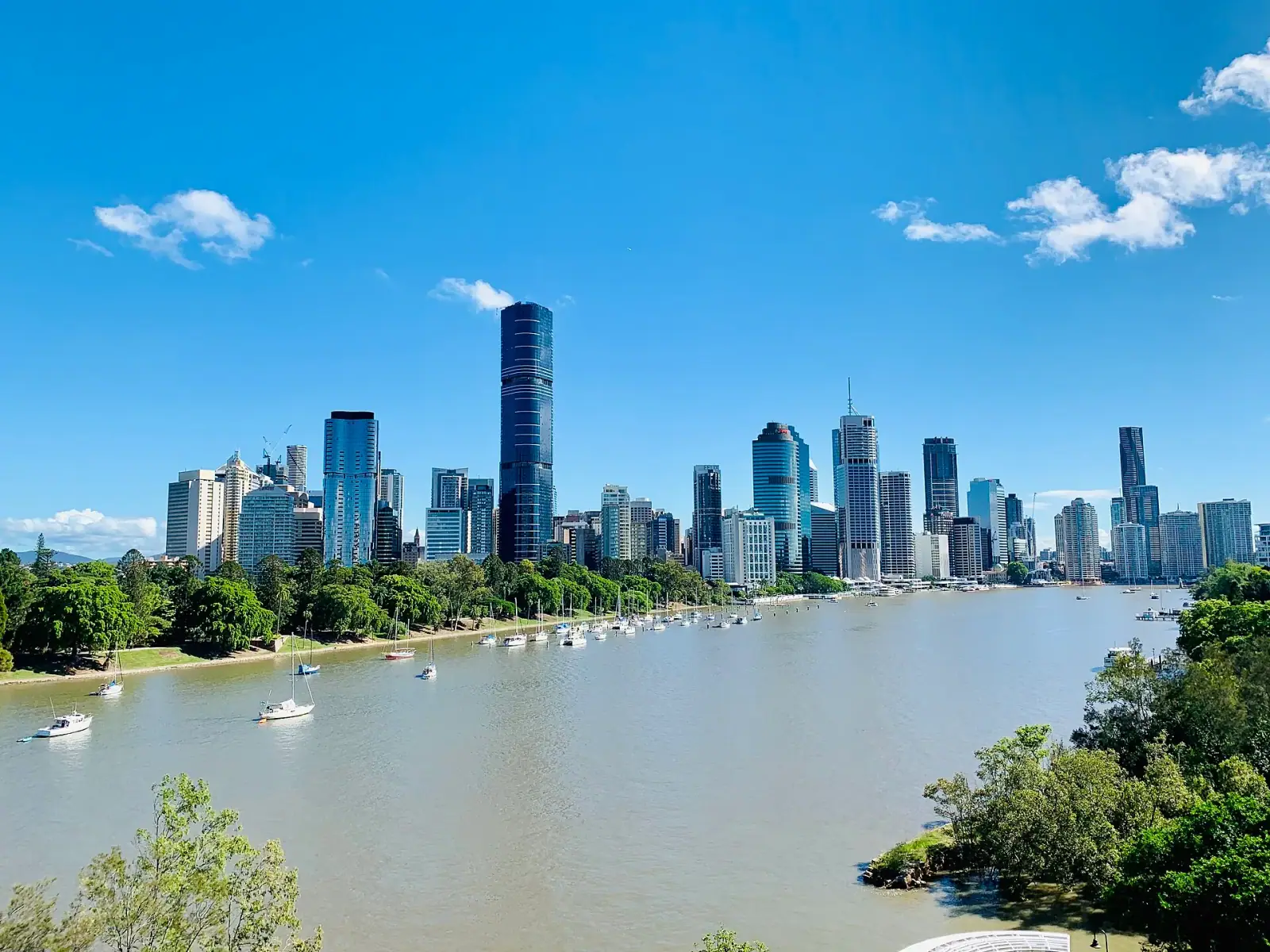
Brisbane is cheaper than Sydney and a touch more affordable than Melbourne, but by global nomad standards it is still expensive. Figures below are in Australian dollars (AUD), with rough USD equivalents at about 0.69 USD per AUD (mid-2026). Rates move, so treat the USD numbers as ballpark.
A realistic monthly breakdown for one person:
- Rent, central one-bedroom (CBD, Fortitude Valley, South Brisbane): $1,620 to $1,900.
- Rent, cheaper suburb (20 to 40 minutes out): $1,190 to $1,470. A room in a shared house runs roughly $630 to $915.
- Groceries: $280 to $385 cooking most meals.
- Eating out: a casual meal is $14 to $21, a mid-range dinner for two around $70 to $91, a flat white about $3.50.
- Coworking hot-desk: $175 to $225 per month, or roughly $18 to $28 for a day pass.
- Local transport: very cheap right now (see below), often under $21 per month.
All in, a solo nomad in a modest central studio using a coworking space should plan for roughly $2,390 to $3,020 per month. Sharing a house further out and cooking at home can pull that closer to $1,620 to $1,970.
Where to Work
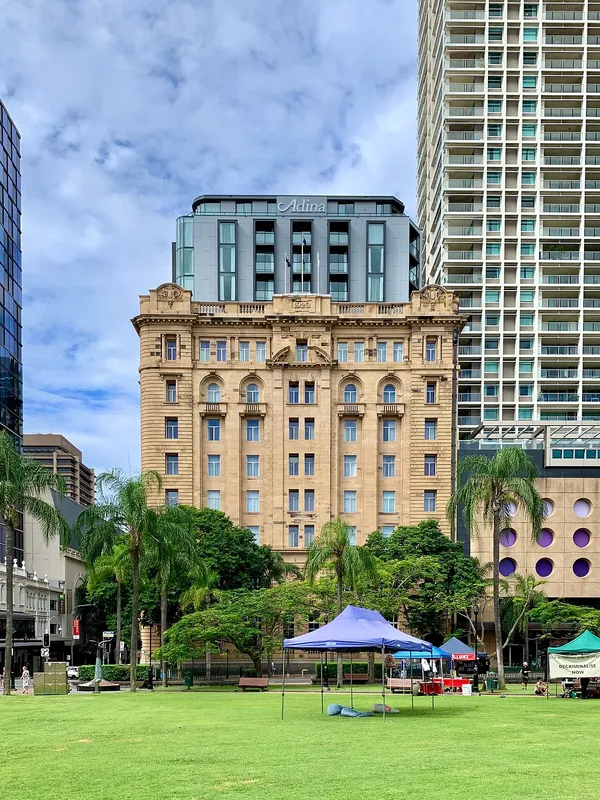
Brisbane has a solid, growing coworking scene concentrated in the CBD, Fortitude Valley, South Bank, and Newstead. Options worth knowing include WOTSO (casual, affordable, several locations), Hub Australia at Anzac Square (polished and wellness-focused), Mobo Co in South Bank (stylish, hot desks around $195 per month), River City Labs (startup and tech community), and Salt Space near New Farm (day passes from around $18). Most run day and week passes, so you can try before committing.
Cafe-work culture is strong. Brisbane takes its coffee seriously, and West End, New Farm, Paddington, and the Valley are full of laptop-friendly cafes, though the usual etiquette applies: buy something, avoid the lunch rush, and do not hog a table all day. WiFi is genuinely good. Australia has widespread NBN fibre, reliable 4G and 5G across the city, and free public WiFi in the CBD, South Bank, and libraries. A cheap local prepaid SIM is worth grabbing on arrival as a backup.
Getting Around
Public transport is run by TransLink and covers buses, trains, ferries, and the CityCat river catamarans. As of 2026 a flat 50 cent fare applies across all these modes, per journey, regardless of distance. It began as a trial and was made permanent, and it makes getting around remarkably cheap. You tap on with a Go card (a reusable smartcard you top up) or contactless Visa or Mastercard, including on a phone or watch.
The CityCat is a highlight: a fast, scenic ferry along the Brisbane River that doubles as commuter transport and sightseeing. The CBD, South Bank, and inner suburbs are walkable and flat enough for cycling, with a decent riverside path network. You will not need a car if you stay central.
For Brisbane Airport (BNE), the Airtrain links both terminals to central stations (Central, Roma Street, Fortitude Valley) in about 25 minutes. It is not part of the 50 cent fare, so standard tickets run roughly $15 to $16, though booking online or travelling as a pair lowers the per-person price. Rideshare and taxis take 20 to 30 minutes to the city outside peak traffic.
Sorting transport? Book an airport transfer, or compare car rental on Auto Europe and QEEQ.
Visas and Staying Long-Term
Most short-term visitors enter on one of two authorisations. The Electronic Travel Authority (ETA, subclass 601) covers passports from countries such as the United States, Canada, Japan, Singapore, Malaysia, and South Korea, and carries a small service fee (around $14). The eVisitor (subclass 651) is free and covers most European Union and other European passports, including the United Kingdom, Germany, France, Italy, and Spain.
Both work the same way: valid for 12 months, with unlimited entries and stays of up to three months per visit. Neither permits paid work in Australia, which is the catch for nomads, as they are strictly for tourism or business visits. Longer or work-enabled stays need a different visa class.
Best Time to Visit
Brisbane has a warm, humid subtropical climate, so it is comfortable year-round by global standards, but the seasons matter for remote work. Summers (December to February) are hot and muggy, with highs around 30C, high humidity, and a real storm season: afternoon thunderstorms, heavy downpours, and occasional flooding. Queensland cyclone season runs roughly November to April, though direct cyclones hitting the city are rare.
The sweet spot for working from Brisbane is autumn (March to May) and winter (June to August). Winter here is mild and dry, with sunny days around 20 to 22C and cool nights, close to ideal for productivity. Autumn and spring are pleasant shoulder seasons. If you can choose, aim for April through September.
Pros and Cons
Pros:
- Cheaper and more relaxed than Sydney or Melbourne, with the same high standard of living.
- Warm subtropical weather and easy access to beaches, the Gold Coast, and Sunshine Coast.
- Genuinely fast internet and a good, growing coworking scene.
- Absurdly cheap public transport thanks to the 50 cent flat fare, plus the scenic CityCat ferries.
- Clean, safe, walkable, and outdoorsy, with strong coffee culture.
Cons:
- Still expensive overall by global nomad standards, especially rent and eating out.
- Hot, humid summers with a real storm season and occasional flooding.
- Quieter nightlife and a smaller scene than Sydney or Melbourne; some find it sleepy.
- Tourist visas do not allow paid work, and long-haul flights make it far from most of the world.
Who Brisbane Is Best For
Brisbane suits remote workers who want a comfortable, safe, English-speaking base with great weather, reliable infrastructure, and outdoor living, without the intensity and price of Sydney. It fits if you value a calm pace, cafe culture, and quick escapes to beaches and national parks, and if your income can absorb Australian prices. It works especially well for solo workers and couples on a stable remote salary.
Skip Brisbane if you are chasing low cost of living, a big party scene, or a dense international nomad hub. Budget travellers get far more for their money in Southeast Asia or Latin America, night owls may find it quiet, and anyone hoping to work locally will hit the tourist-visa restriction. If you want laid-back and comfortable over cheap and buzzing, Brisbane delivers.