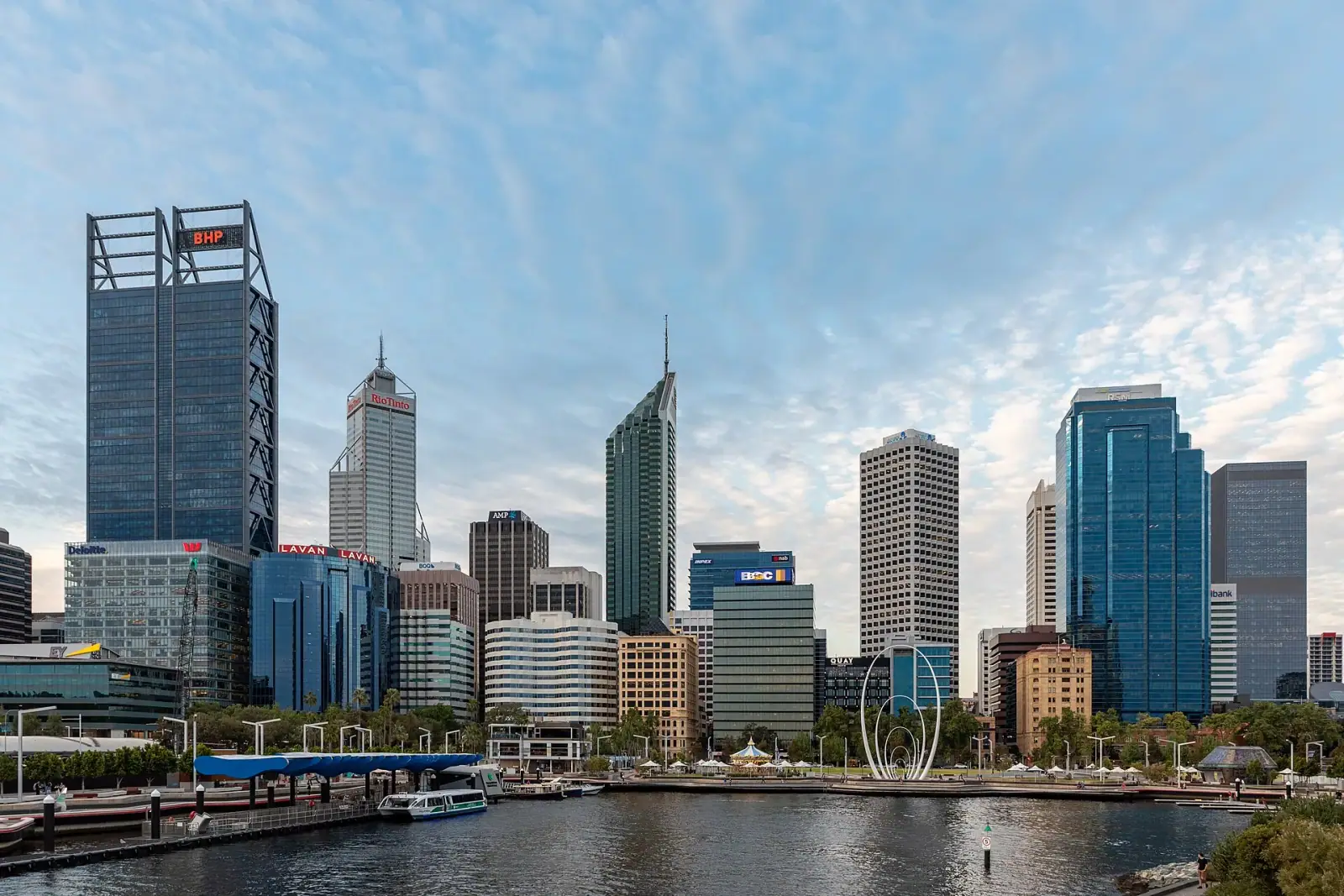
Cost of Living in Perth
Real market data
Source: Numbeo · August 2026
$2,870/moSolo nomad1-bed centre + living costs
$3,650/moCoupleshared 1-bed + costs
$2,560/moLean / localcheaper area + costs
- 1-bed rent, city centre$1,900A$2,712
- 1-bed rent, outside centre$1,600A$2,272
- Monthly costs excl. rent (1 person)$970A$1,379
- Meal, inexpensive restaurant$20A$29
- Monthly transit pass$98A$140
- Buy price, per m² (centre)$8,350A$11,887
Prices are from Numbeo (August 2026), converted to USD at $1 = A$1.42 (01 Aug 2026). The monthly living-costs figure is our transparent one-person basket, groceries, a few meals out, utilities, phone, internet, transport and essentials, priced from those figures. Solo adds central rent; couple and lean are estimates from the same numbers.
Perth is not a cheap base, but it is often a touch gentler on the wallet than Sydney or Melbourne while offering a similar standard of living. Prices below are in Australian dollars (AUD), with rough US dollar equivalents at about 0.65 USD to the dollar. Treat them as planning ranges, not quotes, since rents in particular have climbed sharply in recent years.
- Rent, one-bedroom in the CBD or inner suburbs: $1,550-1,690 per month.
- Rent, one-bedroom in a cheaper outer area: $1,120-1,330 per month.
- Groceries for one: $280-385 per month. Coles and Woolworths dominate, and shopping the specials or Aldi trims the bill noticeably.
- Eating out: a casual meal runs $14-21; a mid-range dinner for two lands around $84-105.
- Coworking hot-desk: part-time memberships start near $245 per month and full-time access from around $350.
- Local transport: most single trips are capped at the Go Anywhere flat fare (see below), so a monthly commuting budget of $56-84 is realistic if you ride often.
All in, a single remote worker renting a modest one-bedroom should budget roughly $2,320-2,950 per month. Sharing a house or renting further out can pull that well below $2,110.
Where to Work
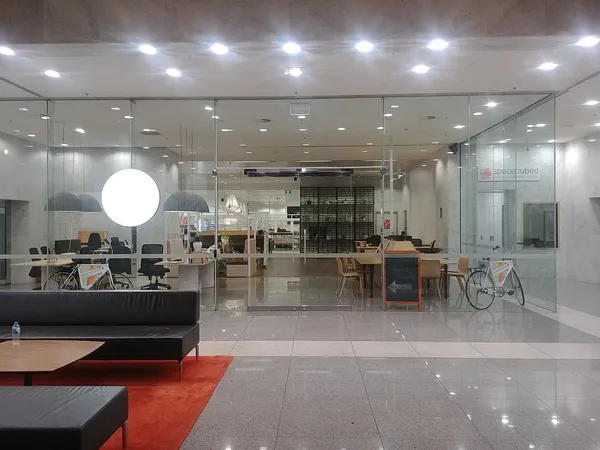
The coworking scene is smaller than in the big eastern cities, but the quality is high and it is concentrated in the CBD. Spacecubed is the anchor operator, running several hubs downtown. Its flagship, FLUX on St Georges Terrace near Elizabeth Quay, offers hot-desks, dedicated desks, meeting rooms and a genuine community, with part-time and full-time options. Other Spacecubed hubs cater to specific sectors, and premium operators such as The Work Project sit in the same core. Booking a day pass first is a sensible way to test the fit.
Cafe-work culture is strong. Perth takes coffee seriously, and neighbourhoods like Northbridge, Leederville, Mount Lawley and Fremantle are full of independent cafes where a laptop over a long black is normal, at least outside the lunch rush. WiFi is generally reliable and fast: Australia sits on solid fixed and mobile networks, and the NBN plus widespread 4G and 5G mean you rarely struggle for a connection. For video calls that cannot drop, a coworking desk or a good home plan is still the safer bet than relying on cafe WiFi alone.
Getting Around
Transperth runs the trains, buses and ferries, and the system is clean, punctual and easy to use. Get a SmartRider card, load it with Autoload, and tap on and off. From January 2026 a single flat Go Anywhere fare covers almost any trip: about $2 with a SmartRider on Autoload, or $2.50 paying by contactless card. A DayRider gives unlimited travel for around $5, and Sundays are free if you tag on and off.
Inside the city, the free CAT buses (Central Area Transit) loop the CBD on colour-coded routes and cost nothing, and trains within the Free Transit Zone are free too, as long as you tag off. That makes a car unnecessary for daily downtown life. Beyond the centre, though, Perth is sprawling and low-density, so a car becomes genuinely useful if you want easy access to beaches, wineries in the Swan Valley, or day trips. Many nomads manage fine on public transport plus the occasional rideshare.
Perth Airport (PER) is well connected. The Airport Line train runs into the city in roughly 20 to 30 minutes for the standard flat fare, which is by far the cheapest option. Rideshare and taxis are available but cost far more.
Sorting transport? Book an airport transfer, or compare car rental on Auto Europe and QEEQ.
Visas and Staying Long-Term
Australia does not offer a dedicated digital nomad visa, and its main tourist authorisations do not permit paid local work, so most nomads visit on a short-stay basis. Which one you use depends on your passport.
- ETA (subclass 601): for passport holders from countries such as the United States, Canada, Japan, Singapore, Malaysia and South Korea. It allows multiple entries over 12 months, staying up to 3 months per visit. Apply through the official Australian ETA app.
- eVisitor (subclass 651): free, for citizens of the United Kingdom and most European Union and other eligible European countries. It also permits stays of up to 3 months per visit within a 12-month period.
Neither allows employment inside Australia, though remote work for an overseas employer sits in a grey area that many short-stay visitors operate within quietly. Extensions are limited, and a longer or repeated stay usually means a different visa class such as a Visitor visa (subclass 600).
Best Time to Visit
Perth has a Mediterranean climate and is the sunniest capital in Australia, with roughly 3,200 hours of sunshine a year. Summers (December to February) are hot and very dry, with highs often above 30C and a reliable afternoon sea breeze known locally as the Fremantle Doctor. Winters (June to August) are mild and wet, with most of the year's rain falling between May and September.
For comfortable remote work, the best windows are spring (September to November) and autumn (April to May), when days are warm, skies are clear and the heat is manageable. Beach lovers may prefer the peak of summer, but that is also when the heat is most intense.
One practical warning for your calendar: Perth runs on AWST (UTC+8) and does not observe daylight saving, so the clocks never shift. That puts you far out of sync with Europe and the Americas. Morning here overlaps with late night in Europe and the middle of the working day in much of Asia, so if your clients or team are in London or New York, expect awkward call times and plan your schedule around them.
Pros and Cons
- Pro: a clean, safe, easygoing city with world-class beaches minutes from downtown.
- Pro: excellent sunshine, fresh air and outdoor living most of the year.
- Pro: reliable fast internet and a small but high-quality coworking scene.
- Pro: convenient time zone for working with Asia, especially Singapore, Hong Kong and China.
- Con: extreme isolation. Perth is one of the most remote major cities on earth, and flights anywhere are long and pricey.
- Con: high cost of living, particularly rent, which has risen fast.
- Con: a quieter, smaller nomad and nightlife scene than the eastern capitals.
- Con: the AWST time zone is difficult if your work is anchored to Europe or the Americas.
Who Perth Is Best For
Perth suits remote workers who value calm, safety, sunshine and the outdoors over big-city buzz, and who either work asynchronously or keep hours that align with Asia. It is a strong pick if you want beaches, space and a relaxed pace, and you are happy trading nightlife and constant novelty for quiet quality of life.
You should probably skip Perth if you need a large, dense nomad community, a busy events calendar and easy weekend hops to other cities, or if your income depends on being awake at the same time as clients in Europe or North America. The isolation and time zone are real, and they are not for everyone.