Cost of Living in Christchurch
Real market data
Source: Numbeo · August 2026
$2,030/moSolo nomad1-bed centre + living costs
$2,650/moCoupleshared 1-bed + costs
$1,790/moLean / localcheaper area + costs
- 1-bed rent, city centre$1,260NZ$2,139
- 1-bed rent, outside centre$1,020NZ$1,730
- Monthly costs excl. rent (1 person)$780NZ$1,319
- Meal, inexpensive restaurant$15NZ$25
- Monthly transit pass$110NZ$180
- Buy price, per m² (centre)$5,010NZ$8,528
Prices are from Numbeo (August 2026), converted to USD at $1 = NZ$1.7 (01 Aug 2026). The monthly living-costs figure is our transparent one-person basket, groceries, a few meals out, utilities, phone, internet, transport and essentials, priced from those figures. Solo adds central rent; couple and lean are estimates from the same numbers. The guide below quotes its own monthly range, which is a different measurement rather than a competing one: this table prices a defined basket at the figures above, while that range is a judgement about how somebody actually lives here.
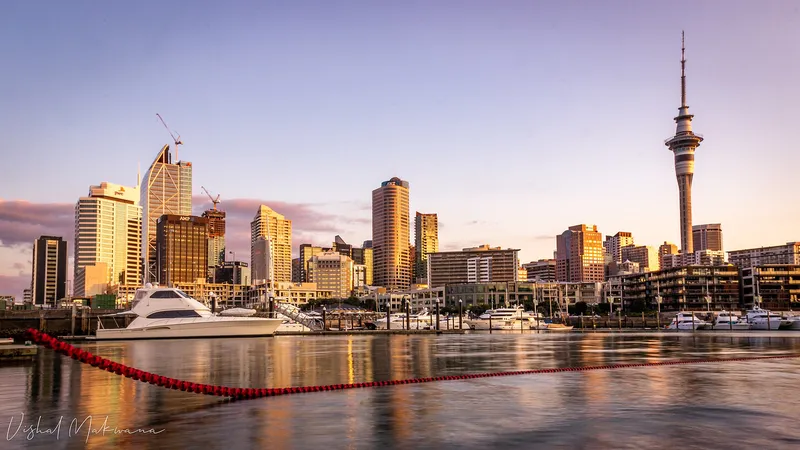
Christchurch is the most affordable of New Zealand's major cities, with rent running roughly 30-40% below Auckland levels. That said, New Zealand as a whole is not cheap, and your monthly budget will reflect that.
Rent: A one-bedroom apartment in the central city runs $895-1,150 per month. In cheaper outer suburbs like Hornby, Sockburn, or Riccarton, you can find the same for $645-825 per month.
Groceries: Budget $235-355 per month for a single person shopping at Pak'nSave (the cheapest chain) or Countdown. Markets and bulk buying help keep this down.
Eating out: A casual cafe lunch costs $9-13. A sit-down dinner at a mid-range restaurant runs $18-32 per person without drinks.
Coworking hot-desk: Dedicated coworking spaces charge $175-300 per month for a hot-desk membership. Day passes start around $15-24.
Local transport: Metro buses use a contactless card (Metrocard) and most rides within the central zone cost $0.50-1. A monthly pass covering the central area runs around $59-76. Many nomads use a bicycle instead.
Total monthly range (excluding flights): $1,760-2,650 per month for a comfortable solo setup with coworking included. You can live leaner at $1,470 if you cook most meals and skip dedicated coworking.
Where to Work
Christchurch has a small but functional coworking scene. BizDojo Christchurch in the Salt District on Ash Street is the most established option, with hot-desks, meeting rooms, fast fibre, and a community feel. Regus operates from the eco-certified Awly Building in the CBD and a second site at Hazeldean Business Park in Addington, both with day-pass options.
Cafe working is common and broadly accepted. Ozone Coffee on Walker Street is a go-to: large tables, good fibre wifi, no pressure to move on, and reliably excellent coffee. Lux Espresso at the CoCA gallery on Gloucester Street has a relaxed policy about lingering and a calm atmosphere suited to focused work. Akin in the CBD has a long communal table designed for exactly this kind of use.
WiFi quality across cafes and coworking spaces is generally solid. New Zealand has widespread fibre coverage in central Christchurch, and most venues advertise fast connections. A local SIM from Spark or One NZ with a data plan (around $18-29 per month) gives you a reliable backup.
Getting Around
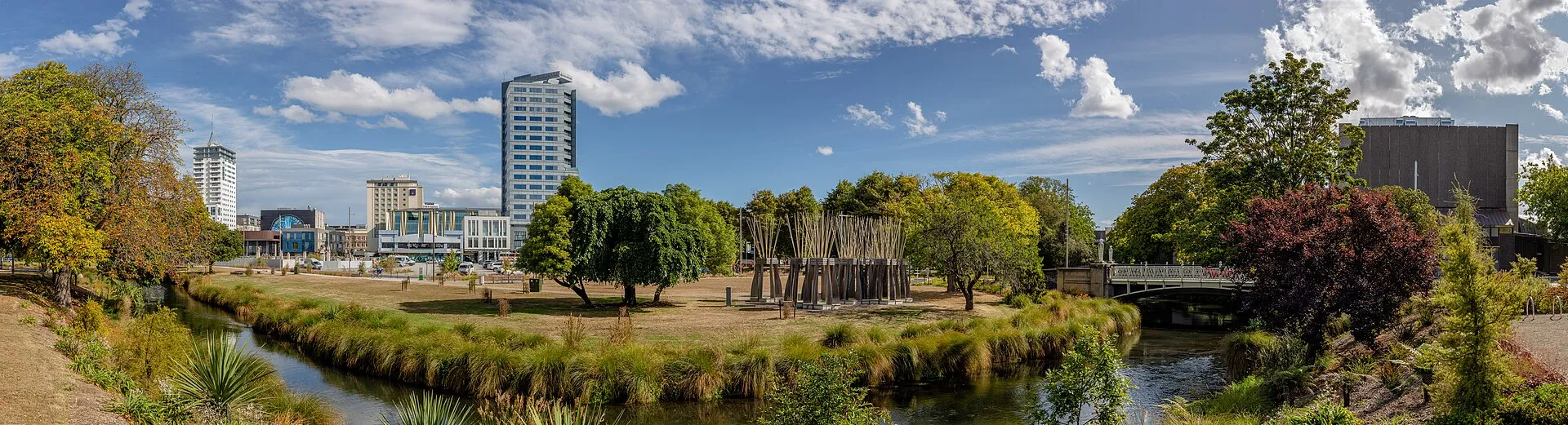
The city centre is flat and compact. You can walk from Cathedral Square to Hagley Park, the Botanic Gardens, and Cashel Mall without difficulty, and most central coworking and cafe options are within a 15-minute walk of each other.
Cycling is genuinely practical here. Christchurch has invested in dedicated cycle lanes, and the terrain makes it easy. Renting or buying a secondhand bike is a common move for longer stays.
The Metro bus network connects the suburbs well. Frequent routes run every 10-15 minutes at peak times. Load a Metrocard for discounted fares. Route 29 is a direct electric bus running between the Bus Interchange and the airport.
Airport: Christchurch International Airport is 20 minutes from the CBD by bus or taxi. The Route 29 bus departs from the northern end of International Arrivals and connects directly to the central Bus Interchange. A taxi or ride-share costs around $21-26.
The heritage tram looping through the central city is a tourist attraction, not a usable commuter service. Stick to buses or a bike for daily movement.
Sorting transport? Book an airport transfer, or compare car rental on Auto Europe and QEEQ.
Visas and Staying Long-Term
New Zealand operates a standard visitor visa system, not a dedicated digital nomad visa, but a significant change took effect in January 2025: all visitor visa applications submitted from 27 January 2025 onward explicitly allow remote work for overseas employers or clients. There is no income threshold or employer documentation required.
Visa-free entry: Citizens of most Western countries (US, UK, EU, Canada, Australia) can enter without a prior visa, though most require a NZeta (online pre-travel authorisation, around $14) before arriving. Australians are exempt.
Length of stay: Most visitor visas allow up to 6 months (multiple-entry) or 9 months (single-entry). You cannot work for a New Zealand-based employer on a visitor visa.
Tax: If you spend fewer than 92 days in New Zealand in any 12-month period, you are unlikely to trigger a New Zealand tax residency obligation. Beyond that threshold, you should seek local tax advice.
Best Time to Visit
Christchurch sits in the Southern Hemisphere, so its summer runs December through February. This is the best window for remote work combined with outdoor activities: temperatures reach 21-24 C (70-75 F), days are long (light past 9pm in December and January), and trails, rivers, and the Banks Peninsula coast are all accessible.
Shoulder seasons: November and March are excellent. Crowds thin, prices ease slightly, and the weather stays comfortable. Autumn (March-April) brings golden light and the Canterbury food scene remains in full swing.
Winter (June-August): Cold and grey in the city, with temperatures dropping to 5-10 C (41-50 F) during the day and occasional frosts at night. The Southern Alps see snow, which is useful if you want to ski Porters or Mount Hutt on a weekend. The city is perfectly functional in winter, but it is not the most motivating environment for long stretches of remote work. Rain and low cloud are common.
For most nomads, November through March is the sweet spot.
Pros and Cons
Pros
- Most affordable major city in New Zealand, with rent well below Auckland and Wellington
- Extremely flat and walkable central city, with good cycling infrastructure
- English-speaking environment with no language barrier whatsoever
- Very low crime, clean streets, and a relaxed day-to-day atmosphere
- Rebuilt city centre means modern cafes, food halls, and public spaces
- Outstanding access to nature: Banks Peninsula, Arthur's Pass, and ski fields all within an hour or two
- Fast fibre internet available across the centre
Cons
- Still expensive by global nomad standards, NZD is strong
- Nightlife and social scene are modest compared to Auckland or international hubs
- The nomad and remote-work community is small, which limits organic networking
- Flight connections are fewer than Auckland; international routing often requires a stopover
- Earthquake rebuilding continues in pockets; some areas still feel unfinished
- Winters can be cold, grey, and isolating for those used to warm-weather bases
Who Christchurch Is Best For
Christchurch works well for nomads who want a safe, English-speaking base in the Asia-Pacific region with genuine access to mountains, coast, and wilderness on weekends. If you are combining remote work with serious outdoor pursuits (hiking, skiing, cycling, kayaking), this city gives you a practical home base without the Auckland price tag.
It also suits people who find noisy, hyper-social nomad hubs exhausting. The city is calm, organized, and easy to navigate. Healthcare is high-quality, the food scene has improved significantly since the post-earthquake rebuild, and the pace of life is slower than most cities its size.
Skip Christchurch if you need a large, active digital nomad community, a busy nightlife scene, or a low cost of living. Budget nomads will find Southeast Asia or parts of Eastern Europe far more cost-effective. Those seeking a buzzing social calendar will find the city quiet. And if you are on a tight schedule with complex international routing, Auckland is a significantly better-connected hub.