Cost of Living in Hue
Where this figure comes from. No cost survey covers Hue, so the $800 a month above is our own estimate rather than a measurement. On 416 of our 999 city guides the figure is built from a published Numbeo basket, a one-bedroom rent in the centre plus one person's monthly costs without rent, converted to USD; this city is not one of them. How we source everything.
Hue is one of the most affordable cities in Vietnam for remote workers. Your monthly outgoings will depend heavily on your accommodation choice and how much you eat street food versus restaurants.
- Rent (central, near Phu Hoi or Pham Ngu Lao): $155-230/month for a furnished studio or one-bedroom
- Rent (quieter areas west of the citadel or across the river): $96-155/month
- Groceries: $31-57/month shopping at local wet markets
- Eating out (local bun bo, com hen, banh mi): $1-2.50 per meal; a sit-down restaurant runs $4-7.50
- Coworking hot-desk (CoPLUS Working Space): $46/month; daily pass $2.50
- Cafe work (drinks while working): $1-2 per session
- Local transport (Grab, motorbike taxi): $0.50-2 per trip; budget around $11-23/month if you rely on Grab daily
- Home internet: $7.50-15/month
Realistic monthly total: $400-650 for a comfortable lean lifestyle; $700-950 if you want a nicer apartment, eat out daily, and take occasional trips. Hue consistently undercuts Da Nang and Hoi An on nearly every expense category.
Where to Work
Hue's coworking infrastructure is thin compared to Da Nang or Hanoi, but functional for short-to-medium stays.
Coworking Spaces
CoPLUS Working Space and Incubation is the main dedicated coworking space in the city. It is small, has a few seating areas including an outdoor call zone, and is staffed. Hours are 7:30am-6:30pm Monday through Saturday; it is closed Sundays, which is a real limitation if you need weekend desk time. Monthly hot-desk rates run about $46.
Ani Working Space doubles as a language school. It is significantly cheaper (under $11/month) but has minimal foreign clientele and a primarily Vietnamese-language interface.
Laptop-Friendly Cafes
Cafe culture in Hue is strong, and several spots are genuinely good for work. Marou Chocolate Cafe and ChocoHouse Hue (near Francis Xavier Church) both have fast WiFi, power sockets, and solid air conditioning, which matters in the summer heat. Phinholic Hand-brew Cafe on Nguyen Tri Phuong Road has a quiet upper floor with good table heights and sockets. Tram Cafe has fast WiFi and river views, though the seating is not ideal for long work sessions.
Most cafes allow you to sit for hours with a single drink purchase of $1-2. WiFi passwords are handed out freely. The honest caveat: not all smaller cafes have AC, and power sockets can be scarce in traditional venues. If you need a consistent 8-hour desk, use CoPLUS on weekdays and a cafe as a backup or change of scene.
Getting Around
Hue is compact enough that you can walk the central tourist and expat zone near the south bank of the Perfume River. The Imperial Citadel and surrounding streets on the north bank are about a 20-minute walk or a short Grab ride from the main guesthouse strip.
Grab operates fully throughout the city. GrabBike (motorbike) costs $0.50-1 for most city trips and is the fastest way to move around. GrabCar is available for $2-5 per ride. Grab launched a GrabCyclo pilot in Hue in late 2025, a novelty but not practical for daily commuting.
Renting a motorbike is the most flexible option if you plan to explore beyond the city. Short-term rentals run around $4-5.50 per day.
Phu Bai International Airport (HUI) is 15km south of the city center. Grab does not operate at the airport terminal itself; walk to the main parking lot (2-3 minutes) to book a GrabCar, which saves $2-4 over airport taxi rates. Metered taxis from Mai Linh or Vinasun are also reliable. The airport has domestic connections and limited international routes; Da Nang Airport (about 100km south) offers far more options and is reachable by bus or train in roughly 2-2.5 hours.
Sorting transport? Book an airport transfer, or compare car rental on Auto Europe and QEEQ.
Visas and Staying Long-Term
Vietnam's e-visa covers citizens of all nationalities and allows stays of up to 90 days, available for both single and multiple entry. You apply online at evisa.gov.vn before travel. Visa-free entry agreements exist for certain passports (typically 15-45 days depending on your nationality), but the e-visa at 90 days is the better option for a longer stay.
There is no official digital nomad visa for Vietnam as of mid-2026. Extensions on tourist e-visas are not straightforward; in practice, the cleanest option is a border run followed by a fresh e-visa application. Some agencies offer in-country visa renewal services, though their legal standing varies.
Best Time to Visit
Hue sits in central Vietnam and has one of the most dramatic rainfall patterns in the country. October and November are the wettest months by a significant margin, with October averaging over 750mm of rain. Flooding in low-lying parts of the city is a real possibility during this window. The broader rainy season runs September through January.
For remote work, the best window is February through April. Temperatures are comfortable (20-25°C), rainfall is low, and the city is lively without the crushing summer heat. March and April add a dry warmth that is genuinely pleasant. May through August brings intense heat (up to 38-40°C on peak days) that makes outdoor movement uncomfortable and puts pressure on cafe AC units. December through January can be grey and cool with occasional rain but is workable if you do not mind overcast skies.
Pros and Cons
- Extremely low cost of living, lower than most other popular Vietnam nomad bases
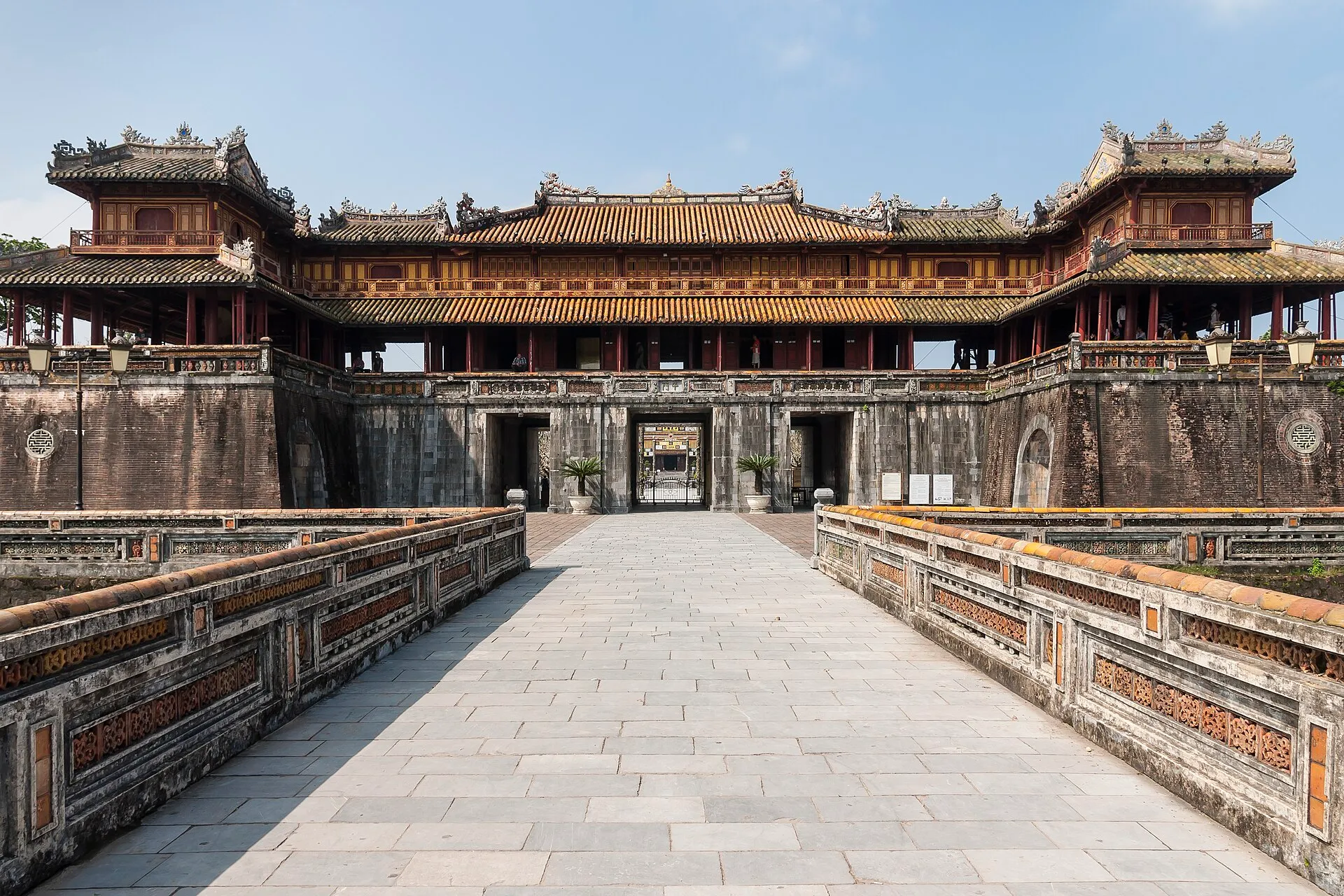
- Rich history and culture: Imperial Citadel, royal tombs, Perfume River, and distinctive Hue cuisine all within easy reach
- Manageable city size: less chaotic than Hanoi or Ho Chi Minh City, easier to settle into a routine
- Genuine local character: fewer tourists than Hoi An, more of an everyday Vietnamese city feel
- Strong cafe culture with fast WiFi in the better spots
- Safe and walkable in the central areas
- Very limited coworking infrastructure: one reliable dedicated space, closed on Sundays
- Small expat and nomad community: meeting other remote workers requires effort
- Brutal rainy season: October and November can disrupt daily life significantly
- Summer heat from May through August is intense and can make working from cafes without good AC miserable
- Limited international flight connections: Da Nang is a better transit hub
- Nightlife is quiet by Vietnamese city standards; entertainment options are limited after dark
Who Hue Is Best For
Hue suits you well if you are a solo remote worker who values budget efficiency, cultural depth, and a slower pace over a buzzing nomad scene. It works particularly well as a 4-8 week stay rather than a permanent base. If you enjoy history, Vietnamese food at its regional best, and cycling or motorbike day trips through countryside and royal sites, Hue delivers in ways that Da Nang and Hoi An cannot match at this price point.
It is a natural fit for writers, designers, or anyone doing independent focused work who does not need a large peer community or constant evening plans.
Skip Hue (or shorten your stay) if you rely on a strong coworking community for daily motivation, need reliable weekend desk access, or are planning to base yourself here during October and November. It is also a harder sell if international flights are a regular part of your work schedule; Da Nang is simply a better-connected hub for that lifestyle.