Cost of Living in Tartu
Real market data
Source: Numbeo · August 2026
$1,480/moSolo nomad1-bed centre + living costs
$2,150/moCoupleshared 1-bed + costs
$1,280/moLean / localcheaper area + costs
- 1-bed rent, city centre$650€566
- 1-bed rent, outside centre$440€386
- Monthly costs excl. rent (1 person)$830€722
- Meal, inexpensive restaurant$17€15
- Monthly transit pass$32€28
- Buy price, per m² (centre)$3,600€3,124
Prices are from Numbeo (August 2026), converted to USD at $1 = €0.87 (01 Aug 2026). The monthly living-costs figure is our transparent one-person basket, groceries, a few meals out, utilities, phone, internet, transport and essentials, priced from those figures. Solo adds central rent; couple and lean are estimates from the same numbers. The guide below quotes its own monthly range, which is a different measurement rather than a competing one: this table prices a defined basket at the figures above, while that range is a judgement about how somebody actually lives here.
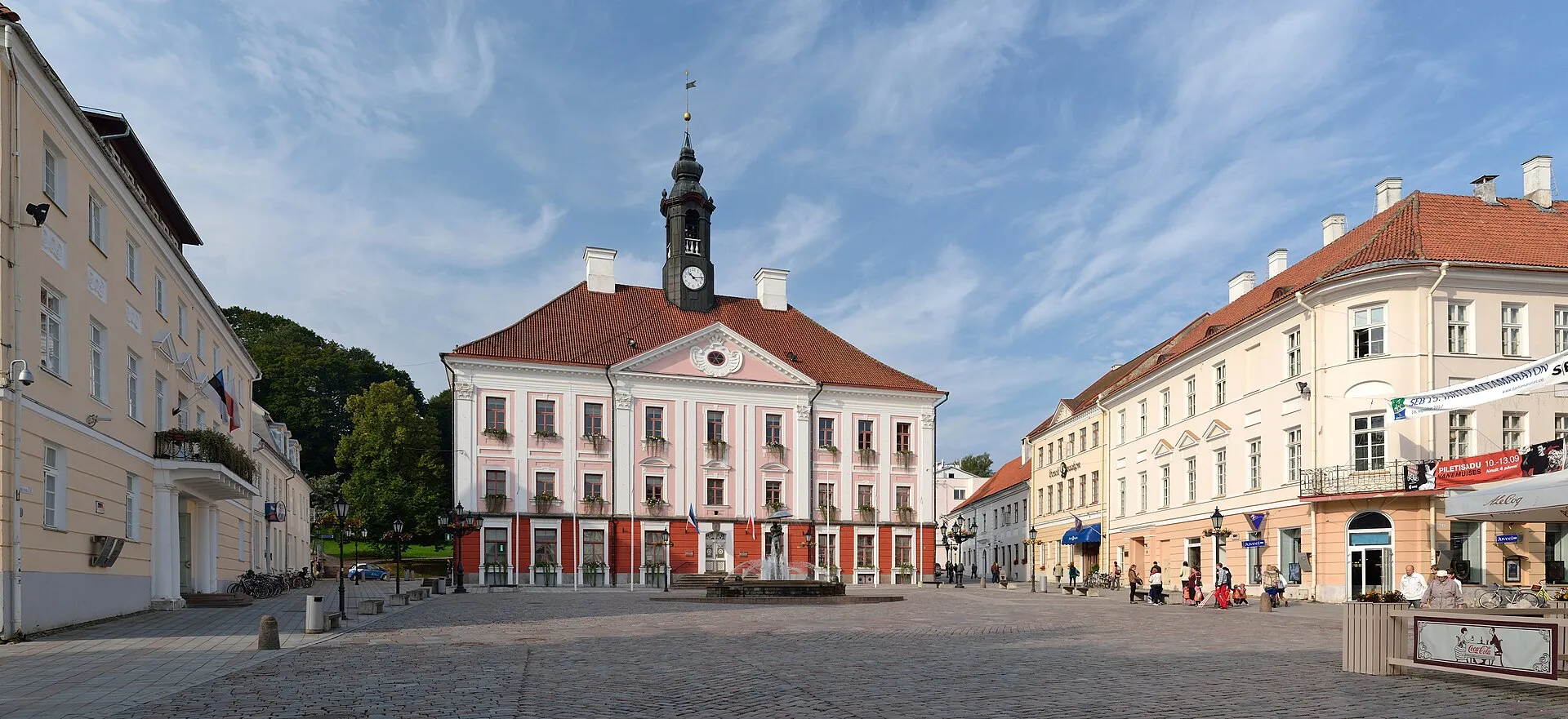
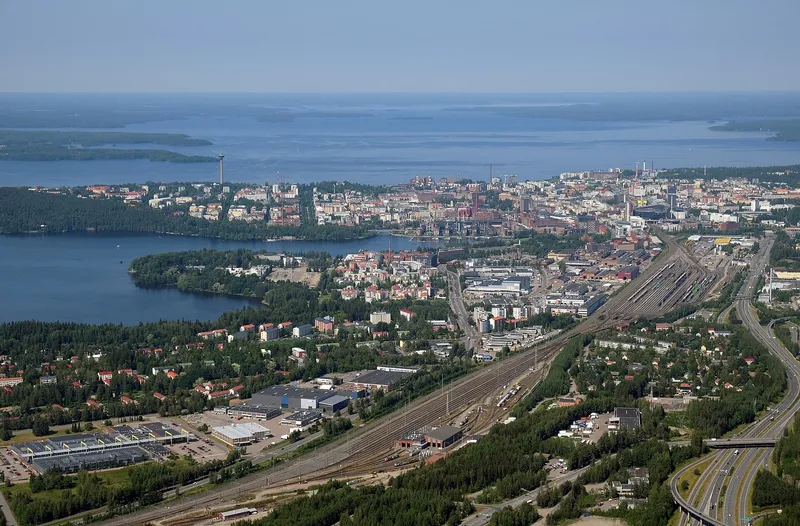
Tartu is Estonia's second city and noticeably cheaper than Tallinn, though it has gotten pricier in recent years and is no longer a bargain by Eastern European standards. Here is what a realistic month looks like:
- Rent, 1-bedroom central (Kesklinn, Old Town): $630-850
- Rent, 1-bedroom cheaper area (Annelinn, Ropka): $430-570
- Groceries: $230-340 per month cooking at home
- Eating out: $11-17 for a sit-down lunch, $23-40 for dinner; coffee around $3.50
- Coworking hot-desk: $170-320 per month depending on space
- Local transport (bus/tram): $34-46 per month with a city card; single tickets $2.50
- Utilities (included in many rentals, or extra): $91-150 in winter, less in summer
Total realistic range: $1,250-1,800 per month for a comfortable solo nomad setup. You can live more frugally closer to $1,000 if you cook most meals and take a cheaper apartment outside the center. Note that winter utility bills can push costs up significantly.
Where to Work
Tartu has a solid coworking scene anchored by a handful of established spaces. Mobispace, with two locations in the city center, is the most polished option: fast business-class WiFi, phone booths, meeting rooms, free coffee, and a sauna on site. Monthly hot-desk plans run around $300 plus VAT. Spark Hub on Narva maantee sits right in the center and caters to the tech and startup crowd. Sofa Office in the Aparaaditehas cultural quarter is a good choice if you want a creative-factory atmosphere with private lockable booths. R7 HUB operates on a cafe-coworking hybrid model where you can work without constant pressure to buy more drinks.
Cafe culture is real in Tartu, especially around the university district. Werner Cafe, a Vienna-style institution open since 1895, is the most reliably laptop-friendly: long hours, WiFi, central location on Ulikooli street. A few specialty coffee spots in Karlova are popular among students and freelancers.
WiFi quality in Estonia is generally good and the country's digital infrastructure is among the best in Europe. Dedicated coworking spaces deliver fast, stable connections. Public WiFi in cafes varies but is usually functional. Mobile data is cheap and fast, so a local SIM is a worthwhile backup for the few places where cafe WiFi disappoints.
Getting Around
Tartu is compact and genuinely walkable. The Old Town, university buildings, main market, and most cafes and restaurants are within a 15-20 minute walk of each other. A bike is the preferred local choice for slightly longer trips and there are dedicated lanes throughout the center.
The city bus and tram network covers the full metro area. A single trip costs $2.50; a monthly city card brings this down substantially and can be loaded via app. You rarely need to take transit within the central neighborhoods.
There is no airport in Tartu itself. The nearest one is Tallinn Lennart Meri Airport (TLL), roughly 186 km away. Buses run between Tallinn bus station (and directly from the airport) to Tartu every 30 minutes or so, taking about 2.5 hours and costing around $11-17. The train from Tallinn city center takes about 2 hours. Most nomads flying in arrive at Tallinn and take the bus, which is straightforward and comfortable.
Sorting transport? Book an airport transfer, or compare car rental on Auto Europe and QEEQ.
Visas and Staying Long-Term
Citizens of EU and Schengen countries can stay in Estonia indefinitely. Most other Western passport holders, including US, Canadian, Australian, and UK citizens, can enter visa-free for up to 90 days within any 180-day period under standard Schengen rules.
For longer stays, Estonia offers a dedicated Digital Nomad Visa, one of the first in the world and still a viable option. It comes in two types: a short-stay C-type visa valid for up to 6 months and a long-stay D-type valid for up to 12 months. The main requirement is proving a net monthly income of at least $5,180, which must be earned remotely from clients or employers outside Estonia. Application fees are around $100-110 and processing typically takes 15-30 days. Health insurance covering the full stay is mandatory. The visa does not lead to permanent residency and is not renewable in the same form.
Best Time to Visit
Tartu has a humid continental climate with real seasonal extremes. Winters are cold and dark: January and February average around -5°C to -8°C (17-23°F), with snowfall and only 6-7 hours of daylight. This puts a genuine dent in outdoor quality of life, though the city remains functional and cozy indoors.
The sweet spot for remote work is May through September. Summers are warm (July averages around 22°C / 72°F) with long daylight hours that stretch past 10 PM in June. The university is active until early summer, making the city feel alive with cafes and events. May and early June are particularly good: the weather is mild, the city is not tourist-heavy, and green spaces like Toomemägi Hill are at their best.
Autumn (September and October) is pleasant for work with cooler temperatures and fewer visitors. Avoid November through March unless you specifically enjoy the quiet, wood-fired-cafe atmosphere of a Baltic winter, and are prepared for the psychological weight of limited daylight.
Pros and Cons
- Excellent digital infrastructure: fast internet, e-government services, e-Residency ecosystem nearby
- Safe and walkable: low crime, compact city, strong sense of civic trust
- English works everywhere: university city means high English proficiency across age groups
- University energy: student population keeps cultural life, cafes, and independent venues active year-round
- Cheaper than Tallinn: meaningful 15-20% discount on rent and daily costs
- Green and quiet: parks, river walks, and forested areas within easy reach of the center
- Dark winters: November to February can be genuinely difficult; daylight is limited and the cold is real
- Small city limits: nightlife, international food variety, and networking options are thin compared to Tallinn
- No direct international flights: every flight in or out involves a 2.5-hour bus or train connection to Tallinn
- Limited nomad community: few dedicated nomad meetups; you will mostly be around students and locals
- Cost creep: no longer a cheap destination by Eastern European standards
Who Tartu Is Best For
Tartu suits nomads who want a quieter, heads-down working environment without the distractions of a bigger city. If you value reliable infrastructure, walkability, personal safety, and proximity to nature, and you are visiting between May and October, Tartu delivers these things genuinely well. It is a good fit for researchers, writers, developers, and anyone already connected to the Estonian tech or startup ecosystem.
It is less suited to people who need a buzzing social scene, international variety in food or nightlife, or easy access to onward flights. Solo nomads who thrive on community and spontaneous connection may find it isolating outside summer. Anyone sensitive to dark winters should be realistic: November through February in Tartu is not for everyone, no matter how good the coworking space is.