Cost of Living in Brasov
Real market data
Source: Numbeo · August 2026
$1,300/moSolo nomad1-bed centre + living costs
$1,780/moCoupleshared 1-bed + costs
$1,080/moLean / localcheaper area + costs
- 1-bed rent, city centre$700lei3,206
- 1-bed rent, outside centre$480lei2,210
- Monthly costs excl. rent (1 person)$600lei2,722
- Meal, inexpensive restaurant$13lei58
- Monthly transit pass$24lei110
- Buy price, per m² (centre)$3,190lei14,531
Prices are from Numbeo (August 2026), converted to USD at $1 = lei4.56 (01 Aug 2026). The monthly living-costs figure is our transparent one-person basket, groceries, a few meals out, utilities, phone, internet, transport and essentials, priced from those figures. Solo adds central rent; couple and lean are estimates from the same numbers. The guide below quotes its own monthly range, which is a different measurement rather than a competing one: this table prices a defined basket at the figures above, while that range is a judgement about how somebody actually lives here.
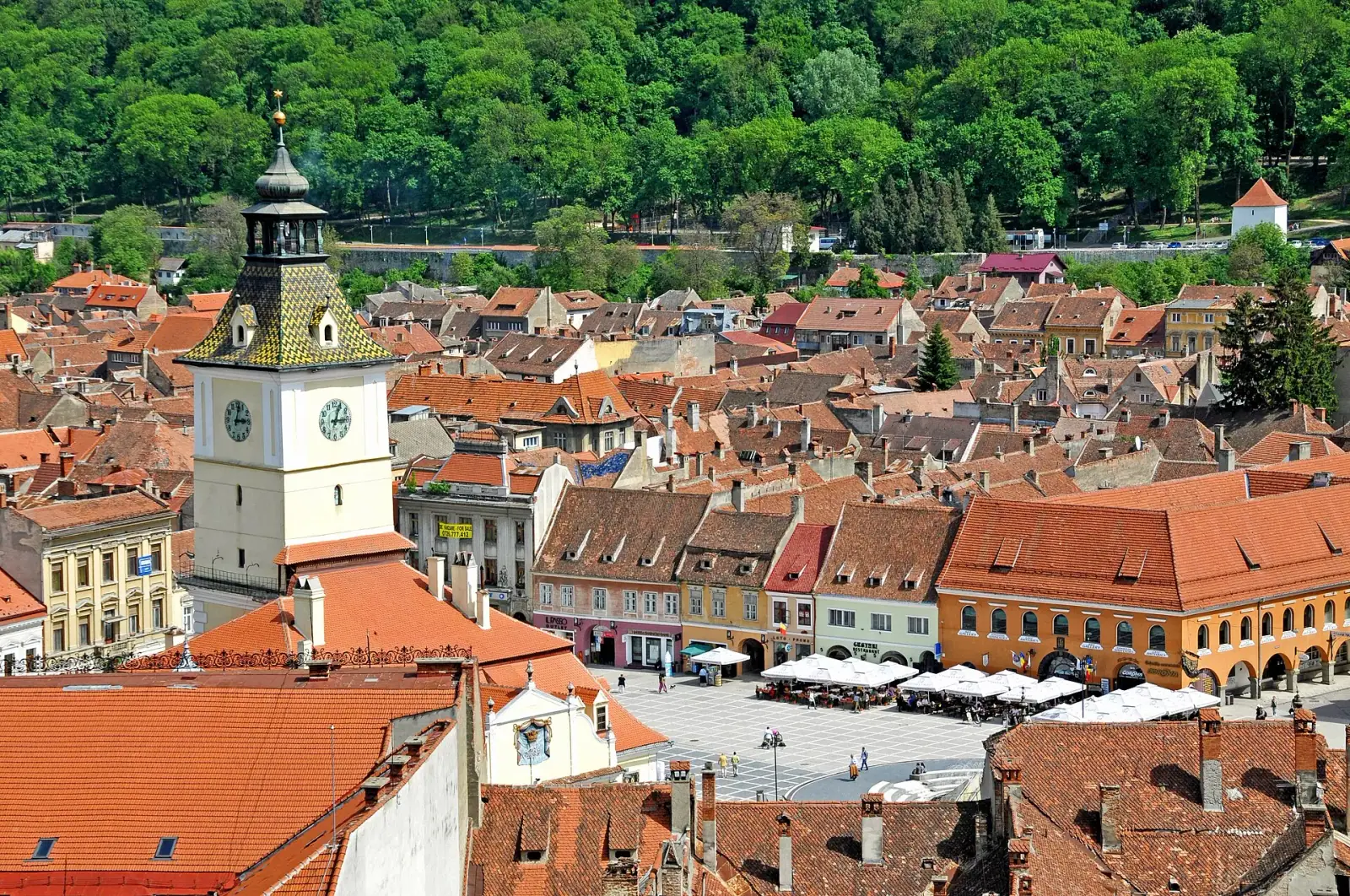
Brasov is one of Romania's most affordable cities for remote workers, sitting comfortably below Western European and even Bucharest price levels. Rent is the main variable in your budget.
- Rent, central Old Town area: $505-875/month for a one-bedroom furnished apartment
- Rent, outer districts (Astra, Bartolomeu): $375-550/month for a one-bedroom
- Groceries: $155-220/month shopping at local markets and supermarkets like Mega Image or Kaufland
- Eating out: A sit-down meal at a mid-range restaurant runs $9-15; a coffee costs around $2
- Coworking hot desk: $165-185/month
- Local transport: Bus tickets cost $0.50 per ride; a Bolt ride across the city runs $3.50-6.50
- Total monthly range: $1,210-2,080/month covers rent, food, coworking, transport, and utilities with room for occasional outings
The exchange rate as of 2025 is approximately 10 RON to $2.20 USD. Cash and card are both widely accepted, though smaller cafes sometimes prefer cash.
Where to Work
Brasov has a small but solid coworking scene. Hub 1317 on Strada 13 Decembrie is the most established option, with reliable fiber internet, a dedicated desk setup, and a friendly freelancer crowd. Simplicity Hub at Strada Mihai Eminescu 28 operates out of a heritage building in the Old Town and suits those who want a more atmospheric setting. Hub Onezero on Strada Lunga is a creative-leaning space with coffee on site and a younger community.
Cafe-working is popular among short-stay nomads. CH9 Specialty Coffee, directly across from the Black Church, is the most reliable laptop-friendly cafe: it has strong WiFi, plenty of power outlets, and a mix of high and low seating. Shakespeare Cafe in the Old Town offers a calmer atmosphere with a consistent connection. WiFi at tourist-oriented cafes on Strada Republicii is less reliable and tables get crowded in high season.
Connections inside Brasov's coworking spaces are fast and dependable. Mobile data via Digi or Orange is cheap and fast enough as a backup.
Getting Around
The Old Town is very walkable. Most cafes, restaurants, and coworking spaces are within a 15-20 minute walk of the historic center. The city runs a bus and trolleybus network for longer trips; a single ticket costs $0.50 and is valid for 60 minutes. Bolt is the dominant ride-hailing app and is reliable, affordable, and strongly preferred over street taxis, which have a well-documented history of price gouging tourists.
Getting to and from the airport: Brasov-Ghimbav International Airport (IATA: GHX) opened in 2023 and sits about 12 km northwest of the city center. Bus line A1 connects the airport to the city center in roughly 30 minutes for $1. A Bolt or pre-booked transfer runs $15-22. Bucharest Henri Coanda Airport (OTP) remains the main international hub; there are frequent trains between Brasov and Bucharest taking about 2.5 hours, with tickets from $13-26.
Sorting transport? Book an airport transfer, or compare car rental on Auto Europe and QEEQ.
Visas and Staying Long-Term
Romania joined Schengen in early 2024, which affects land border crossings but not air travel entry rules for most non-EU nationals. EU/EEA citizens can stay indefinitely. US, Canadian, Australian, and UK passport holders can enter visa-free for up to 90 days within any 180-day period across the Schengen area.
Romania does have a Digital Nomad Visa (D visa category) aimed at non-EU nationals who work remotely for companies registered outside Romania. Requirements include proof of a monthly income of at least three times Romania's average gross salary (roughly $4,600-5,990/month in 2025), an employment contract or client contracts with a foreign company, and valid health insurance. The initial visa is valid for up to 12 months and can be extended as a temporary residence permit. The income threshold is high by Brasov living-cost standards, so the visa mainly makes sense if you plan to stay well beyond 90 days or if you need legal clarity on tax status.
Best Time to Visit
Brasov sits in a Carpathian valley at around 600 meters elevation, which keeps it noticeably cooler than lowland Romania. Summers are warm but not oppressive, with July and August averaging 24-27C. Winters are cold, with frequent snow between November and March and temperatures dropping well below freezing.
The best window for combining remote work with enjoying the city is May through June and September through early October. Spring and early autumn bring comfortable temperatures (15-22C), manageable tourist crowds, and full access to day trips into the Carpathians and to nearby Peles Castle and Bran Castle. July and August are peak tourist season: the Old Town is crowded, cafe tables are scarce, and accommodation prices rise. Winter has its own appeal if you ski at nearby Poiana Brasov, but the short days and cold can wear on productivity over a long stay.
Pros and Cons
- Stunning medieval Old Town with walkable streets and mountain backdrop
- Very affordable relative to Western Europe and comparable to cheaper Southeast Asian hubs
- Fast, reliable internet throughout the city and coworking spaces
- Easy day trips to Peles Castle, Sinaia, and Carpathian hiking trails
- Safe city with low violent crime and well-lit central streets
- Good food scene mixing Romanian traditional with international options
- Small nomad community: harder to build a professional social circle than in Bucharest or Cluj
- Tourist-heavy Old Town in summer makes cafe-working uncomfortable and overpriced
- Limited direct flights from Brasov Airport; most long-haul trips still route through Bucharest
- Language barrier outside the center: English is common with younger locals and service staff but not universal
- Not much nightlife by European capital standards; the bar scene is low-key
Who Brasov Is Best For
Brasov is a strong fit for remote workers who want a beautiful, affordable European base with outdoor access and a slower pace. If you want to hike, ski, or explore Transylvanian villages on weekends while keeping your monthly costs under $1,500, Brasov delivers that combination better than most European cities at this price point. It works particularly well for those who are self-contained, already have their professional network established remotely, and are not dependent on a buzzing local nomad scene for motivation or connections.
You should probably look elsewhere if you rely on a dense nomad community for accountability or social connection, if you need frequent cheap flights to many European destinations, or if you are looking for a city with a developed startup ecosystem. Bucharest or Cluj-Napoca are better fits for those priorities. Brasov is also a poor fit for anyone who wants to party: the nightlife is genuinely quiet.