Cost of Living in Sibiu
Real market data
Source: Numbeo · August 2026
$900/moSolo nomad1-bed centre + living costs
$1,250/moCoupleshared 1-bed + costs
$870/moLean / localcheaper area + costs
- 1-bed rent, city centre$460lei2,109
- 1-bed rent, outside centre$430lei1,955
- Monthly costs excl. rent (1 person)$440lei2,008
- Meal, inexpensive restaurant$9lei40
- Monthly transit pass$18lei83
- Buy price, per m² (centre)$2,540lei11,599
Prices are from Numbeo (August 2026), converted to USD at $1 = lei4.56 (01 Aug 2026). The monthly living-costs figure is our transparent one-person basket, groceries, a few meals out, utilities, phone, internet, transport and essentials, priced from those figures. Solo adds central rent; couple and lean are estimates from the same numbers. The guide below quotes its own monthly range, which is a different measurement rather than a competing one: this table prices a defined basket at the figures above, while that range is a judgement about how somebody actually lives here.
Sibiu is one of the more affordable cities in Romania, which itself sits near the bottom of European cost-of-living rankings. You can live well here without stretching your budget.
- Rent, central (Old Town area): $305-375/month for a furnished one-bedroom
- Rent, outer neighbourhoods: $220-285/month for a comfortable one-bedroom
- Groceries: $130-195/month shopping at Lidl, Kaufland, or Penny
- Eating out: $5.50-9 at a local restaurant; $15-26 at a mid-range spot
- Coworking hot-desk: $9/day or $110-155/month
- Local transport (bus): $1 per 60-minute ticket; monthly pass around $18
- Total monthly budget: roughly $660-985 covers rent, food, transport, and coworking with money left over for outings
Utilities in a standard apartment (electricity, heating, water) run around $120/month in winter and less in summer. A cappuccino costs around $2-2.50 at most cafes.
Where to Work
Sibiu has a small but functional set of options for remote workers. The city is not a major nomad hub, so you will not find the dense coworking ecosystem of Bucharest or Cluj, but what is here works reliably.
Dedicated coworking: NOOK (Str. Avram Iancu) is the most polished option, a boutique space in a historical building with fast fibre, a curated atmosphere, and a small community of locals and freelancers. TOffice is smaller (12 desks) and centrally located, good for a quiet focus day. Creative HUB Sibiu offers a modern space with mountain views, free parking, and high-speed internet. Ingenius Hub sits just outside the city limits in Selimbar and is popular with startups and tech workers.
Cafe-work culture: Cafe des Artistes near the Bridge of Lies has reliable fast WiFi and enough desks to seat remote workers comfortably. Arhiva de Cafea si Ceai (Tea and Coffee Archive) near Piata Mare is a specialty coffee destination with ample seating and power outlets. Neither will kick you out after one drink, but expect moderate background noise.
WiFi situation: In Sibiu, apartment and coworking connections are fast. Cafe WiFi is slower. Mobile data (Orange, Vodafone, Digi) is fast and cheap, useful as a backup.
Getting Around
The historic centre is compact and almost entirely walkable. Most restaurants, cafes, and coworking options sit within a 15-minute walk of the main squares, Piata Mare and Piata Mica. You can go days without needing any transport if you live centrally.
Public buses: Tursib operates a network of modern, low-emission buses covering the whole city. A single ticket costs $1 for 60 minutes. The system is punctual and easy to navigate with Google Maps.
Ride-hailing: Bolt operates in Sibiu and is the most common choice for late nights or when you have luggage. Taxis are available but agree on the meter before you get in.
Airport: Sibiu International Airport (SBZ) is just 6 km from the city centre, roughly a 12-minute drive. Bus lines 11, 112, and 118 connect the airport to the historic centre for $1. Direct flights run to Bucharest, Munich, Frankfurt, Vienna, and a handful of other European cities. For broader connections, Bucharest Henri Coanda is about 3 hours by car or train.
Cycling: There are some dedicated bike lanes, though coverage is patchy. The centre's cobblestones make road bikes impractical. A folding bike or e-scooter works better for short hops.
Sorting transport? Book an airport transfer, or compare car rental on Auto Europe and QEEQ.
Visas and Staying Long-Term
Romania joined the Schengen Area fully on January 1, 2025, meaning standard Schengen rules now apply.
Visa-free stays: Citizens of the US, UK, Canada, Australia, and most other Western nations can enter Romania for up to 90 days in any 180-day window without a visa. This counts against your overall Schengen allowance.
Romania Digital Nomad Visa (D/AD): Romania offers a dedicated long-stay visa for remote workers. To qualify, you must work remotely for a company registered outside Romania, hold that position for at least 3 years, and earn approximately 3 times Romania's average gross salary, currently around $6,090/month. The visa grants up to 1 year of legal residence and allows Schengen travel. Processing takes around 10-14 working days at a Romanian consulate.
Extensions: After the initial visa, you can apply for a residence permit extension. The income threshold makes this visa best suited to well-paid senior remote professionals.
Best Time to Visit
Sibiu sits at around 400 metres elevation in Transylvania, giving it sharper seasonal swings than coastal cities.
Spring (April to May): Temperatures rise from 8 to 20 degrees C, the old town cleans up beautifully, crowds are thin, and prices are lower. This is an excellent window for remote work: mild weather, good light, and few tourist disruptions.
Summer (June to August): Warm days averaging 25-26 degrees C, peak tourism, lively outdoor events, and the famous Sibiu International Theatre Festival in June. Expect more noise in the centre and slightly higher short-term rental prices. July is the wettest month.
Autumn (September to October): The best overall season. Stable, dry weather, comfortable temperatures (10-20 degrees C), stunning foliage in the Fagaras mountains nearby, and almost no crowds. September and October are ideal for focused remote work.
Winter (November to March): Cold, often below freezing in January, with occasional heavy snow. The Christmas market in December is genuinely beautiful and draws visitors, but January and February are quiet, cold, and grey. Reliable WiFi and cosy cafes make it workable if you do not mind limited daylight and icy cobblestones.
Pros and Cons
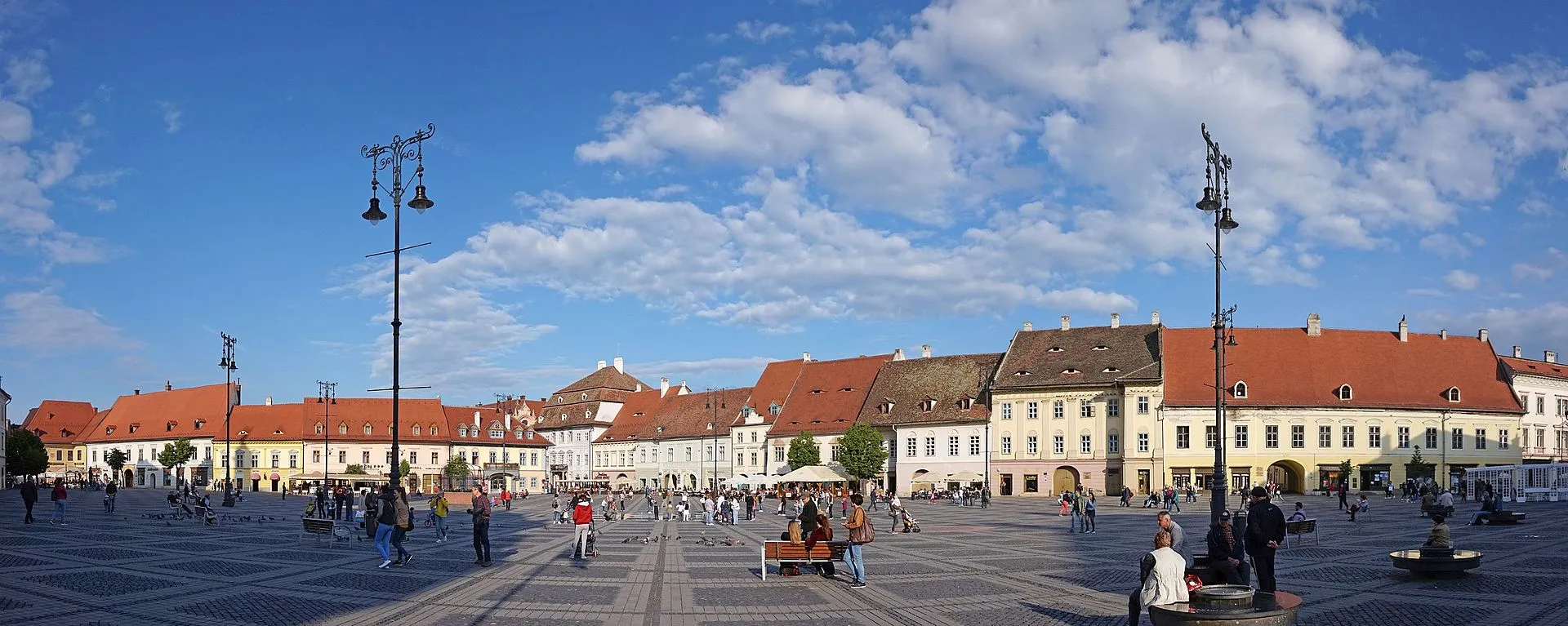
- One of Romania's most beautiful cities, with a preserved medieval old town and Saxon architecture
- Very low cost of living even by Eastern European standards
- Excellent internet speeds throughout the city and most cafes
- Safe and clean, consistently rated among Romania's most liveable cities
- Strong food scene with surprisingly good restaurants for a city of 150,000
- Quick access to nature: the Fagaras Mountains and Transylvanian countryside are minutes away
- Easy airport with direct European connections
- Minimal nomad community: you will not find regular meetups or a built-in social scene
- Few coworking options: the city has maybe four or five spaces total
- English less common outside the tourist centre; daily errands can require patience
- Limited nightlife for those who want a buzzing after-hours scene
- Cold winters with short daylight hours (under 9 hours in December)
- High digital nomad visa income threshold makes the visa inaccessible for many
Who Sibiu Is Best For
Sibiu suits remote workers who want a beautiful, quiet base in Europe without paying Western European prices. It is ideal if you value architecture, food quality, and proximity to hiking and mountain landscapes over a packed social calendar. Writers, designers, developers, and anyone doing deep-focus solo work will find it a rewarding place to spend 1-3 months. It also works well as a slower-paced alternative to Bucharest or Cluj for those already spending time in Romania.
You should look elsewhere if you need a large nomad community, a wide range of coworking options, or an active tech startup ecosystem. It is not a strong fit for people who rely on spontaneous networking, language-based accessibility, or a city that stays lively late into the night. Bucharest or Cluj will serve those needs better.