Cost of Living in Cluj-Napoca
Real market data
Source: Numbeo · September 2026
$1,250/moSolo nomad1-bed centre + living costs
$1,720/moCoupleshared 1-bed + costs
$1,130/moLean / localcheaper area + costs
- 1-bed rent, city centre$660lei3,004
- 1-bed rent, outside centre$540lei2,481
- Monthly costs excl. rent (1 person)$590lei2,694
- Meal, inexpensive restaurant$13lei60
- Monthly transit pass$32lei146
- Buy price, per m² (centre)$4,820lei22,008
Prices are from Numbeo (September 2026), converted to USD at $1 = lei4.56 (01 Aug 2026). The monthly living-costs figure is our transparent one-person basket, groceries, a few meals out, utilities, phone, internet, transport and essentials, priced from those figures. Solo adds central rent; couple and lean are estimates from the same numbers. The guide below quotes its own monthly range, which is a different measurement rather than a competing one: this table prices a defined basket at the figures above, while that range is a judgement about how somebody actually lives here.
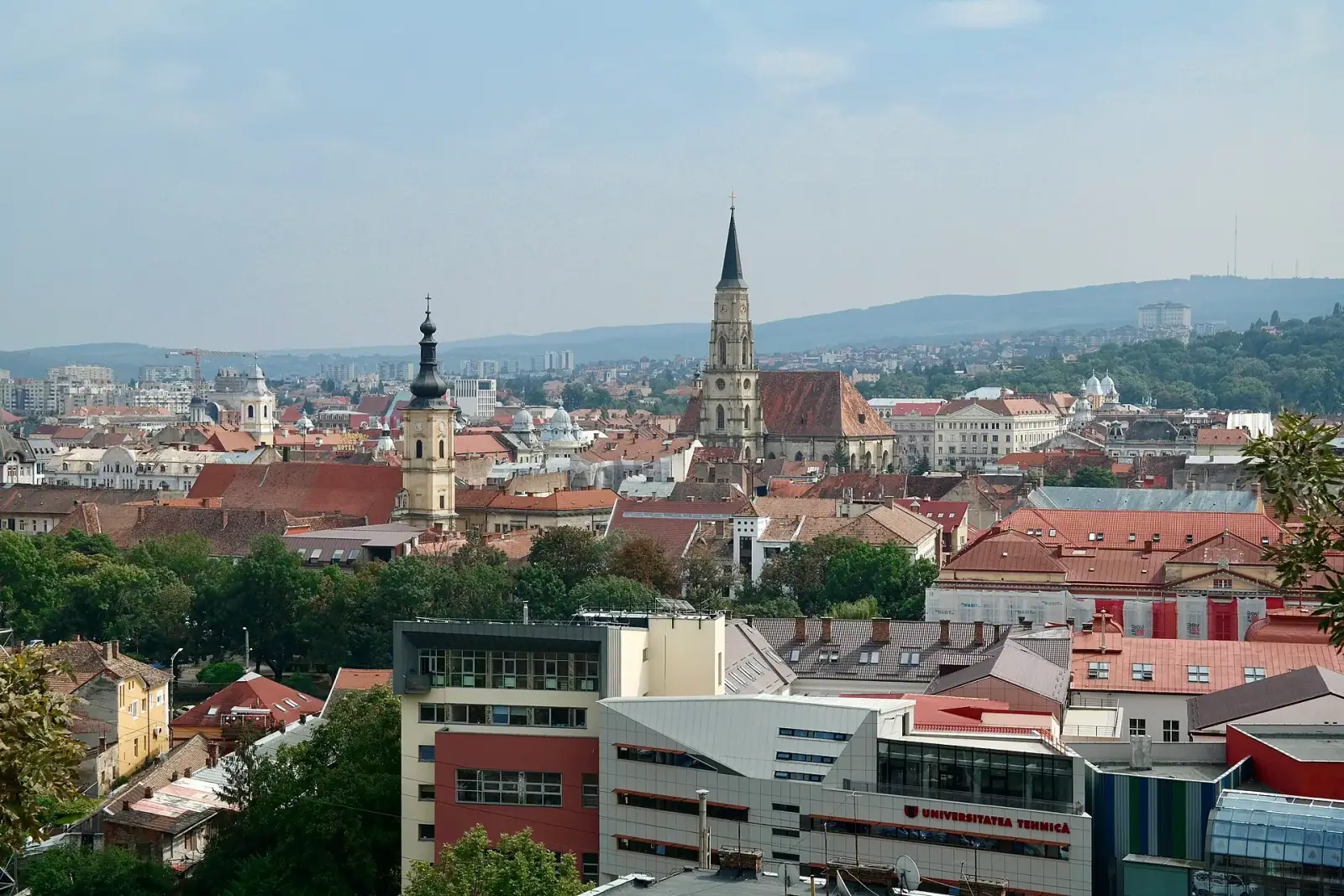
Cluj-Napoca has earned a reputation as Romania's most expensive city, and that label is partly deserved for rent, though everyday expenses remain affordable by Western standards. Here is a realistic monthly breakdown for a solo remote worker in 2025-2026:
- Rent, central 1-bedroom (Centru, Gruia): $550-765
- Rent, cheaper area (Manastur, Marasti): $440-570
- Groceries: $130-195/month if you cook regularly; markets and Lidl keep costs low
- Eating out: An inexpensive sit-down meal runs $11-15; a mid-range dinner for two is $55-70
- Coworking hot desk: $77-195/month depending on the space and plan
- Local transport (bus/tram pass): around $13-22/month; single tickets are $0.50
- Utilities and phone: typically $66-99/month for a furnished apartment
Total realistic range: roughly $835-1,420/month covers a comfortable solo nomad lifestyle. Staying outside the center and cooking most meals pushes you closer to the lower end.
Where to Work
Cluj has a functioning coworking ecosystem, anchored by a large tech sector and university population that keeps demand high and quality reasonable.
Coworking Spaces
ClujHub (Str. Regele Ferdinand 22-26, Centru) is the longest-running and most well-known option. Hot-desk plans start around $79/month for occasional use and go up to $250/month for full-time access. It sits inside a shopping center, which sounds odd but is genuinely central and walkable. Stables Office, inside the Record Park development on Onisifor Ghibu, is a newer premium option with BREEAM certification, 24/7 access, and outdoor space. Pricing is on request.
Cafe Work Culture
Cluj's coffee scene is genuinely good. Cafes like Meron, Visuin, and Il Caffe are regularly cited as laptop-friendly, with decent WiFi, power outlets, and no aggressive table-time policies. The culture is relaxed about remote workers during weekday mornings. That said, popular spots fill up by early afternoon, especially on weekdays around Piata Unirii.
WiFi
Fiber internet is widely available in apartments for about $9-13/month, and coworking spaces advertise fast connections. Cafe WiFi is generally reliable enough for video calls, though you should have a backup SIM. Digi and Orange offer solid prepaid SIMs with 4G/5G data.
Getting Around
Cluj-Napoca is a mid-size city and the center is quite compact. You can walk between most of the central neighborhoods, cafes, and coworking spaces in 10-20 minutes.
Public transport covers the wider city well. There are 4 tram lines and over 50 bus and trolleybus routes. A single-journey ticket costs $0.50 and you can pay contactless by card or via the 24Pay app directly on the vehicle, which is convenient. A monthly pass costs roughly $13-22. Bolt and Uber-style apps (Bolt is dominant) work reliably and are cheap by Western standards.
Airport: Cluj International Airport (CLJ) is about 8 km east of the city center. A taxi or Bolt ride takes 15-25 minutes and costs roughly $6.50-11. There is a public bus connection (lines 5 and 8) that takes around 30-40 minutes for $0.50.
Driving or renting a car is useful for day trips into Transylvania but not necessary for daily life in the city.
Sorting transport? Book an airport transfer, or compare car rental on Auto Europe and QEEQ.
Visas and Staying Long-Term
Romania joined the Schengen Area on 1 January 2025. Citizens of the US, UK, Canada, Australia, New Zealand, Japan, and most other visa-exempt countries can enter and stay up to 90 days within any 180-day period across the entire Schengen zone. This limit is shared across all Schengen countries, not just Romania.
Romania does have a Digital Nomad Visa, introduced in 2022, valid for 12 months and renewable. To qualify, you must work remotely for a company registered outside Romania, and your income for the preceding six months must average at least three times the Romanian average gross salary, which works out to roughly $4,720-5,990/month as of 2025. The application fee is $140, and you will need a separate residence permit on arrival for another $140. The income threshold is notably high and will disqualify many freelancers at lower rates.
Best Time to Visit
Cluj-Napoca has a continental climate with genuinely cold winters and warm summers. The mountains that ring Transylvania cause cold air to stagnate in winter, and fog is common from November through February. Temperatures drop below 0 Celsius regularly, with January averaging around 2 Celsius as a daytime high.
Best window for remote work: late April through early October. May, June, and September are the sweet spots: temperatures sit comfortably between 18-25 Celsius, the city's outdoor cafe terraces are open, there is less tourist pressure than in July-August, and the surrounding countryside is accessible for hiking and weekend trips. July and August are warm and sunny but can hit 30 Celsius, and the student population is mostly gone, which makes the city feel quieter.
Avoid November through February unless you actively enjoy cold weather or have a strong reason to be there. Short days, persistent grey skies, and limited outdoor life make it a harder place to stay motivated for months at a time.
Pros and Cons
- Pro: Very affordable daily life outside of rent (food, transport, coffee)
- Pro: Strong tech and startup ecosystem with a real English-speaking community
- Pro: Good coworking infrastructure and a cafe culture that welcomes laptops
- Pro: Excellent base for exploring Transylvania: Sibiu, Brasov, Sighisoara, and hiking trails are within 2-3 hours
- Pro: Now inside Schengen, making EU travel seamless
- Pro: Active festival and cultural calendar, especially spring through autumn
- Con: Rent has surpassed Bucharest in some central areas, making it less of a budget destination than it once was
- Con: Air quality is poor in winter due to heating emissions and traffic in the bowl-shaped valley
- Con: The digital nomad visa income threshold is high (4,100+ EUR/month) and excludes many freelancers
- Con: Winters are long, cold, and grey with limited outdoor life
- Con: The city can feel limiting for longer stays: it is walkable and pleasant but compact, and some nomads report restlessness after two to three months
- Con: Limited direct international flights compared to Bucharest
Who Cluj-Napoca Is Best For
Cluj-Napoca suits remote workers who want a genuinely European city atmosphere without paying Western European prices for daily life. If you value a strong local tech community, good coffee, walkability, and easy access to mountains and medieval towns, it delivers well. It works especially well for people on a 1-3 month stay in spring or early autumn who want to combine reliable productivity with weekend travel across Transylvania.
It is a particularly good fit for those already based in or traveling through the EU, given the Schengen membership. Software engineers, designers, and startup founders will find kindred spirits here more easily than in most Romanian cities.
Skip it if you are on a tight budget and hoping for rock-bottom rent comparable to older Romania prices: those days are largely over in Cluj. Also skip it if you need long winters to feel inspired, or if you require a large international nomad scene year-round. Bucharest offers more scale and more flight connections if urban density and global connectivity matter more to you than a smaller, university-town feel.