Cost of Living in Solo
Where this figure comes from. No cost survey covers Solo, so the $800 a month above is our own estimate rather than a measurement. On 416 of our 999 city guides the figure is built from a published Numbeo basket, a one-bedroom rent in the centre plus one person's monthly costs without rent, converted to USD; this city is not one of them. How we source everything.
Solo (officially Surakarta) is one of the most affordable mid-size cities in Java. You can live comfortably on far less than it would cost you in Bali or Jakarta, though you also get far less of an international infrastructure in return.
Monthly budget estimates for a single person:
- Rent, central area (Laweyan, Banjarsari): $83 to $140 for a furnished kost with private bathroom and air conditioning
- Rent, outer or student areas (Jebres, near UNS campus): $33 to $67 for basic rooms, often shared facilities
- Groceries at local markets: $22 to $39 per month
- Eating out, local warungs and street food: $0.50 to $1.50 per meal; eating local three times a day costs roughly $33 to $50 per month
- Western or cafe meals: $1.50 to $4.50 per meal
- Coworking hot-desk: $1.50 to $3 per day at the main spaces; some spaces offer monthly passes around $28 to $44
- Local transport (Gojek/Grab rides): $5.50 to $11 per month if you are staying central and using ride-hailing sparingly
- Utilities (usually included in kost): $8.50 to $17 if billed separately
Total monthly range: A frugal lifestyle eating local comes to roughly $165 to $250 per month. A comfortable lifestyle with cafe work sessions, occasional Western food, and a nicer room runs $275 to $445 per month. Exchange rate used: approximately IDR 16,200 per USD.
Where to Work
Solo has a small but functional coworking scene, stronger than you might expect for a city of its size. The most established dedicated space is El Samara in Laweyan, offering hot desks from $1.50 per day with AC, WiFi, and free drinks. Hetero Space in Jebres is a government-backed creative hub with reliable fiber internet, meeting rooms, and event facilities, popular with local startup communities. Seruang Coworking Space near UNS campus is free or very low cost, though it closes early (around 3pm) and operates like a library.
Cafe-working is common, especially among students. Spots like Cafe Nue in Laweyan market themselves explicitly as coworking cafes and stay open until 10pm. Most decent cafes will tolerate a laptop and a long session as long as you keep ordering.
The WiFi situation is honest-to-moderate. Dedicated coworking spaces generally have stable fiber connections sufficient for video calls. Cafe WiFi is hit or miss, and speeds can drop during busy evening hours. For backup connectivity, local SIM cards from Telkomsel or XL are cheap and widely available; a 30-day data package costs $5.50 to $8.50. Solo's average fixed-line speeds are lower than Bali or Jakarta, so plan for a cellular backup if your work requires consistent high bandwidth.
Getting Around
Solo's city center is compact and walkable if you are based near Jalan Slamet Riyadi, the main boulevard. Most key areas, markets, and coworking spots are within a 2 to 4 kilometer radius. Gojek and Grab operate well here, with motorbike rides across the city rarely exceeding $0.50 to $1 and car rides staying under $2 for most cross-city trips. There is also the Batik Solo Trans (BST) bus network, useful for a few main corridors but with limited coverage for the outer areas.
Bicycles are a practical option in flat central Solo, and some guesthouses and accommodations offer them for rent.
To and from Adi Soemarmo International Airport (SOC): The airport is about 14 kilometers northwest of the city center. The fastest option is Grab or Gojek ($3.50 to $5.50, roughly 20 to 30 minutes depending on traffic). There is also a direct airport train from Adi Soemarmo to Solo Balapan station, taking around 15 minutes and costing about $1, running roughly hourly. The BST K1S bus is the cheapest option but slower. Direct domestic flights connect Solo to Jakarta, Bali, Surabaya, and Medan.
Sorting transport? Book an airport transfer, or compare car rental on Auto Europe and QEEQ.
Visas and Staying Long-Term
Most Western passport holders (US, UK, EU, Australia, and others) receive a Visa on Arrival (e-VoA) valid for 30 days on arrival at international airports, including Solo. The fee is $28. You can extend this once at a local immigration office for another 30 days, giving you a maximum of 60 days on the e-VoA.
For stays beyond 60 days, you need to apply for a C-Type Social/Cultural Visit Visa before arriving (from an Indonesian embassy), which allows up to 60 days and can be extended twice for up to 180 days total.
Indonesia introduced a Remote Worker KITAS (E33G) visa, valid for 12 months, available to those employed by a non-Indonesian company, earning at least USD 60,000 annually, and able to show proof of employment. This visa costs approximately USD 315 in official fees, plus agency fees if you use a facilitator. It does not allow you to work for or earn income from Indonesian clients.
Best Time to Visit
Solo has a tropical monsoon climate with temperatures ranging from 24°C to 33°C (75°F to 91°F) year-round and consistently high humidity. There is no cool season.
The dry season runs from May to September, with July and August being the driest months. Rain is infrequent, air quality is better, and outdoor exploration is easier. This is the most comfortable window for remote work combined with sightseeing.
June and July also coincide with the Solo Batik Carnival (typically July) and the Solo International Performing Arts (SIPA) Festival (typically August), which are genuinely worth seeing if you are interested in Javanese culture.
The wet season runs from October through April, peaking in January and February with daily heavy rain, higher humidity, and occasional flooding in low-lying areas. Working from coworking spaces during the wet season is still perfectly feasible, but outdoor errands and commutes become more disruptive.
Pros and Cons
Pros
- Very low cost of living, among the cheapest in Indonesia for a functioning city
- Exceptional food city, known across Indonesia for nasi liwet, timlo, and sate buntel
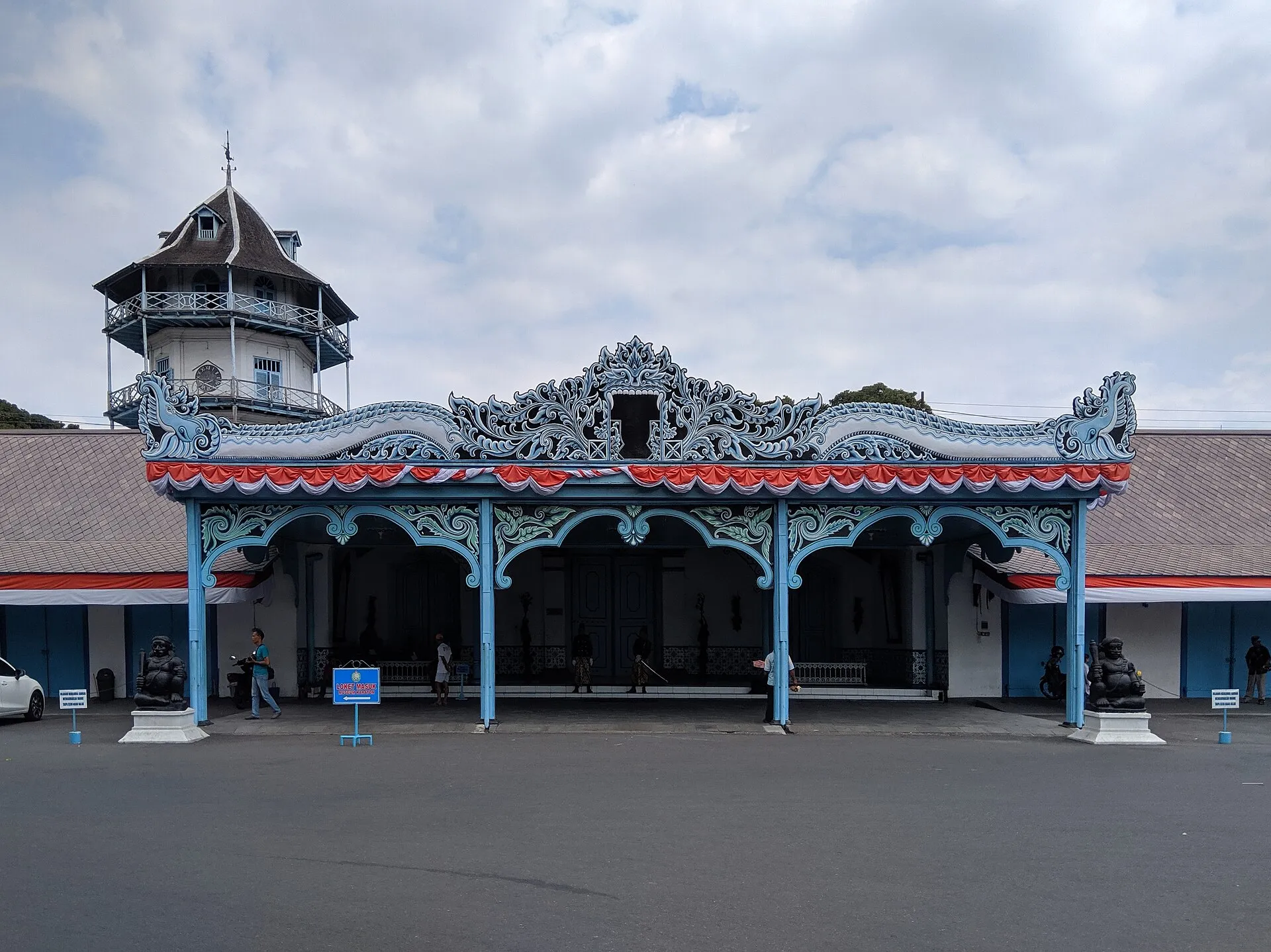
- Rich Javanese culture, batik heritage, and kraton (palace) to explore
- Friendly, relaxed atmosphere with minimal tourist crowds compared to Yogyakarta or Bali
- Good transport connections including its own international airport and train links to Java's main cities
- Compact, walkable center with flat terrain
Cons
- Small international nomad community; you will not fall into a ready-made expat network
- WiFi infrastructure lags behind Bali, Yogyakarta, and Jakarta; backup SIM is essential
- English is limited outside hotels and higher-end restaurants; basic Bahasa helps greatly
- Nightlife and entertainment options are limited compared to larger Indonesian cities
- Air quality can degrade in dry season due to agricultural burning in surrounding areas
- Hot and humid year-round with no meaningful cool-down period
Who Solo Is Best For
Solo suits you well if you want to stretch a modest budget as far as possible in Indonesia while living somewhere with real culture and character rather than a purpose-built tourist infrastructure. It is a strong fit for solo travelers who are genuinely curious about Javanese life, anyone on a long Southeast Asia circuit who wants to spend a few weeks somewhere calm and cheap, and remote workers who do not need a large English-speaking community or fast cafe WiFi as standard.
It also works well as a base for day trips to nearby Yogyakarta (about an hour by train), Mount Merapi, or Borobudur.
Solo is a harder sell if you depend on reliable high-speed internet for your daily work, need a network of English-speaking coworkers or collaborators, or want the kind of digital nomad infrastructure with niche cafes, yoga studios, and co-living spaces that you find in Canggu or Chiang Mai. Those who prefer city convenience and nightlife over cultural depth will likely find it quiet. If you have been to Yogyakarta and want something more local and less polished, Solo is the next logical step.