Cost of Living in Ninh Binh
Where this figure comes from. No cost survey covers Ninh Binh, so the $700 a month above is our own estimate rather than a measurement. On 416 of our 999 city guides the figure is built from a published Numbeo basket, a one-bedroom rent in the centre plus one person's monthly costs without rent, converted to USD; this city is not one of them. How we source everything.
Ninh Binh is one of the cheapest places to base yourself in northern Vietnam. As a small provincial city rather than a backpacker resort, prices stay genuinely local once you move away from the Tam Coc tourist strip.
A furnished one-bedroom apartment in the city center (near Hang Thap or the Van River waterfront) runs roughly $135-190 per month. On the quieter outskirts or in Hoa Lu district you can find rooms for $76-115. Many nomads stay long-term in guesthouses or small hotels for $11-19 per night, which works out cheaper than a lease for short visits.
A local pho or bun bo breakfast costs $1-2. A full sit-down meal at a Vietnamese restaurant lands around $3-5.50. Eating at Western-oriented spots near Tam Coc pushes that to $5.50-9.50. Weekly groceries from local markets run about $19-31 for one person.
A hot-desk at Coworking Ninh Binh (the main dedicated space in the city) costs roughly $4-5.50 per day or around $31-46 per month. Cafes are the more common choice and are effectively free to work from with a $1-2 drink.
Local transport is cheap. A motorbike rental runs $4-5.50 per day. A grab ride across the city costs $1-2.50. Fuel for your own motorbike adds perhaps $7.50-11 per month for regular city use.
Realistic monthly total: $305-535 on a lean budget. A more comfortable lifestyle with occasional Western meals, a city apartment, and coworking a few days a week sits around $575-840.
Where to Work
Dedicated coworking infrastructure is thin. Coworking Ninh Binh, located at 1 Duong Trang An in Dong Thanh ward, is the main option: a modern shared office in the city center with air conditioning, fast fiber internet, and a professional setup. It is the right choice if you need a desk five days a week and want separation from tourist noise.
For most nomads, cafe-working is the default and it works well. May Cafe and Bakery on Le Hong Phong is the most polished option in the city proper: two floors, good natural light, WiFi, power at most seats, and English-speaking staff. The Lim Coffee on Nguyen Hue is a reliable retro-modern spot with cheap drinks and consistent internet. For working in the Tam Coc area, Brick Coffee Shop on the DT491C road is the go-to: English-speaking owners, WiFi, power outlets, and an airy two-story layout where you can settle in for hours without feeling rushed.
Cafe WiFi handles video calls without issues. Fiber is widely available in the city center. Mobile data on Viettel or Vietnamobile 4G is fast and cheap, providing a solid backup. Power outages are uncommon but do occur during heavy summer storms.
Getting Around
Ninh Binh city is compact but most of its attractions and the Tam Coc tourist cluster sit 5-15 km outside the center. A motorbike is the practical choice: renting one gives you full freedom to reach Trang An, Bai Dinh, and Cuc Phuong National Park on your own schedule. Grab (Vietnam's Uber equivalent) operates in the city for shorter hops.
Cycling is possible between the city and Tam Coc via the flat river road, and many guesthouses offer bicycle rentals for around $2-3 per day. The city itself is walkable around the central area near the night market and river.
There is no airport in Ninh Binh. You fly in and out of Hanoi's Noi Bai International Airport (HAN), which is about 120 km and a 2-hour drive north. Options for the transfer include a direct private car (around $23-34), the Ninh Binh train station connecting to Hanoi Railway Station (2-3 hours, trains run regularly, tickets from around $4-7.50), or a limousine bus service running direct to Hanoi's Old Quarter. Trains are the most reliable and comfortable option.
Sorting transport? Book an airport transfer, or compare car rental on Auto Europe and QEEQ.
Visas and Staying Long-Term
Most nationalities can enter Vietnam on an e-visa valid for up to 90 days (single or multiple entry). The cost is $25 for single entry or $50 for multiple entry, applied for online before you travel at evisa.gov.vn. Citizens of 38 nationalities receive visa-free entry ranging from 30 to 45 days depending on passport: EU nationals (Germany, France, Italy, Spain, the Netherlands, and others) get 45 days visa-free; most ASEAN passports get 30 days; UK nationals also qualify for 45 days.
The e-visa cannot be extended from inside Vietnam. A border run (exit and re-entry) resets the clock. There is currently no dedicated digital nomad visa for Vietnam. For stays beyond 90 days, a business visa or sponsorship arrangement through a registered company is the main long-term route, though most nomads simply rotate stays or combine Vietnam with nearby countries. Overstaying carries meaningful penalties under regulations in force since late 2025.
Best Time to Visit
Ninh Binh has a northern subtropical climate with four distinct seasons. The two best windows for remote work are October to November and February to April.
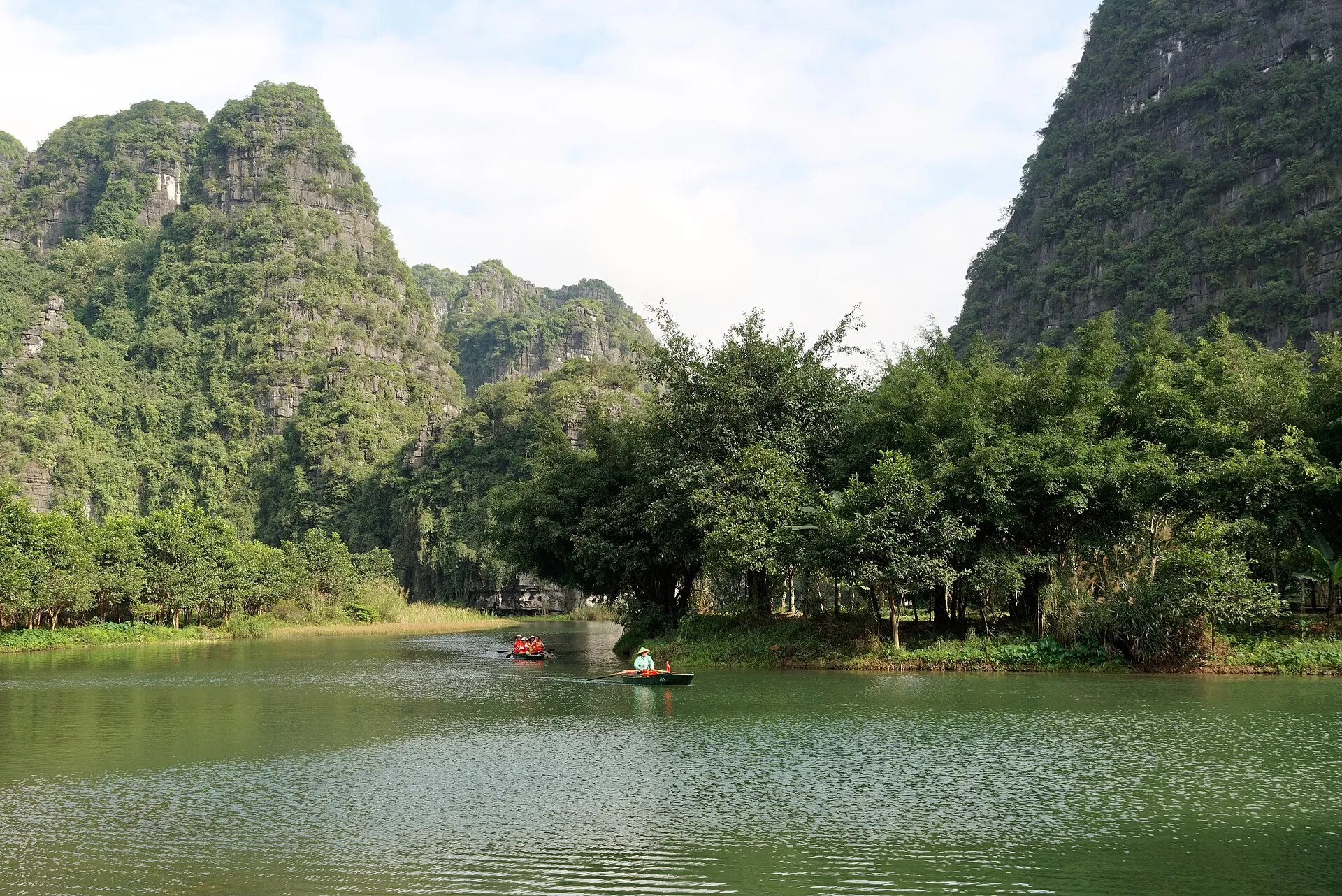
Autumn (October-November) is the most comfortable season overall: temperatures sit at 20-27 degrees Celsius, the skies clear after the summer rains, and the karst scenery is at its sharpest. This is also rice-harvest season in the Tam Coc valleys, and the golden fields are the landscape that makes Ninh Binh famous in photographs.
Spring (February to April) brings mild 18-25 degree temperatures. Early February can feel cool and drizzly due to the crachin (northern drizzle season), but by March conditions are pleasant. The downside is this coincides with Vietnamese national holidays and the busiest tourist period around Bai Dinh and Trang An.
Summer (May to August) is hot, humid, and rainy, with temperatures climbing to 33-38 degrees Celsius and heavy afternoon thunderstorms in July and August. Connectivity can suffer during the worst storms. Winter (December to January) is mild by comparison with temperatures dipping to 10-16 degrees at night, with overcast skies and occasional cold drizzle.
Pros and Cons
- Very low cost of living, among the cheapest in Southeast Asia for a tourist-infrastructure destination
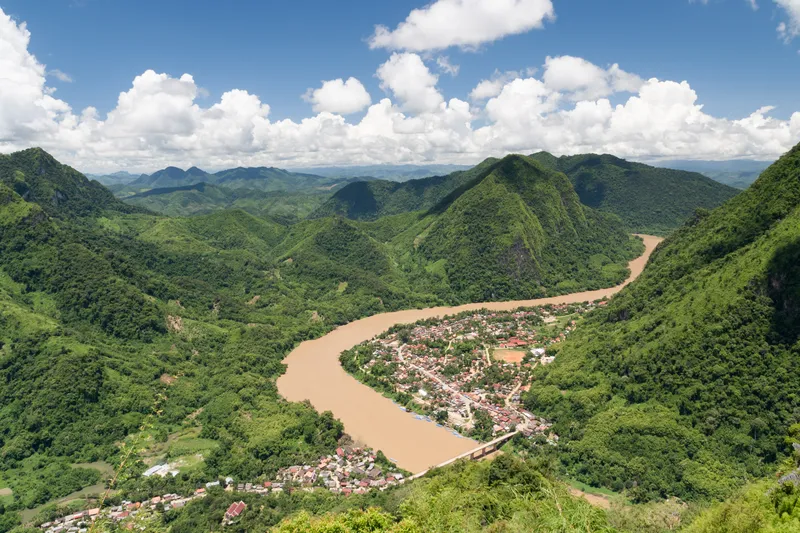
- Exceptional natural scenery with limestone karsts, river caves, and rice paddies on your doorstep
- Safe and calm, with low crime rates and a relaxed pace that many nomads find productive
- Easy day-trip access to Hanoi (2 hours by train) without paying Hanoi prices
- Good cafe-work culture with reliable WiFi in the main cafes
- Authentic Vietnamese town feel, not a resort bubble
- Thin coworking infrastructure: one real coworking space and a handful of cafes covers the entire market
- Small nomad community on the ground: you will not find the regular meetups or co-living energy of Hanoi or Da Nang
- Limited English outside tourist areas: daily admin tasks (dealing with landlords, local services) require a translation app or Vietnamese-speaking contact
- Hot and stormy summers with connectivity disruptions during peak thunderstorm months
- Air quality is a concern, particularly in winter months when regional pollution and biomass burning push AQI into unhealthy ranges
- Nightlife is minimal and wraps up early; there is very little to do after 10 PM
Who Ninh Binh Is Best For
Ninh Binh suits nomads who want to work seriously during the day and step into one of Vietnam's most dramatic natural landscapes the moment they close the laptop. If you find big cities distracting or overstimulating and prefer a quieter base with authentic local life around you, this is one of the best-value towns in the country. It also works well as a one-to-four-week break from Hanoi: low cost, low noise, and train access back whenever you need a city fix.
Writers, designers, and solo workers with asynchronous schedules tend to be the best fit. The pace is slow and that is the point.
Skip Ninh Binh if you need a strong in-person professional community, rely on daily coworking for collaboration, or expect a varied nightlife and social scene. It is also a harder base if you have synchronous meeting-heavy work that demands consistent high-speed internet, since the cafe and guesthouse WiFi, while generally adequate, is not enterprise-grade. If you are on a short trip and want to maximize Vietnam experiences, Hanoi or Da Nang offer more infrastructure for the same or only slightly higher cost.