Cost of Living in Seminyak
Where this figure comes from. The $2,100 monthly budget above is our own estimate rather than a measurement. How we source everything.
Seminyak is Bali's expensive end, and a comfortable month comes to about $2,100. Rent leads the budget: a one-bedroom apartment or small villa with a shared pool runs $800 to $1,400 a month on a long-term deal, and prices climb near Jl. Kayu Aya and Petitenget. Food varies widely, from $2 to $4 at a warung to $25 or more at a Petitenget restaurant, so $600 on eating is realistic if you enjoy the scene. Transport is a scooter at $60 to $80 plus fuel, or Grab and Gojek rides at $2 to $5. A coworking desk at Biliq or Work Hub costs about $100 to $180 a month.
Where to Work in Seminyak
Seminyak has more working options than most Bali beach towns. Biliq Seminyak, a coworking and meeting venue in Petitenget, is the best known, and Work Hub on Sunset Road is another dedicated space. Many people also use the polished cafes along Jl. Kayu Aya, Jl. Oberoi and Petitenget, which tend to have strong wifi, air conditioning and good coffee. Beach clubs allow laptops by day but get loud by afternoon. Canggu has the bigger nomad community, about 20 minutes north, but Seminyak is calmer for focused work and closer to the airport. Keep a Telkomsel SIM for backup when storms knock out wifi.
Getting Around Seminyak
Seminyak is flat but spread out, and traffic on Jl. Raya Seminyak, Jl. Kayu Aya and Jl. Petitenget is among the worst in Bali. Many nomads rent a scooter for $60 to $80 a month, though you need an international licence with a motorbike endorsement to be insured. Grab and Gojek work here, but local taxi groups restrict pickups in some zones. Blue Bird taxis use meters and are the most dependable. Ngurah Rai Airport is only 20 to 40 minutes south, depending on traffic, and a taxi costs $10 to $15. Short stretches are walkable, though pavements are patchy and often blocked by parked scooters.
Visas for Seminyak
Most Western passport holders, including US, UK, Canadian, Australian and EU citizens, buy a 30 day visa on arrival at Bali's airport for about $28, or online as an e-VOA before flying, and can extend it once for another 30 days, per Wikipedia's visa policy page (2025). Seminyak is close to the Denpasar immigration office, so extensions here are easy, and many people pay an agent to handle the queue. For a longer base, the E33G Remote Worker visa covers up to a year for people employed outside Indonesia and asks for proof of about $60,000 in annual income. Your passport needs at least six months of validity on arrival, and immigration checks it.
Best Time to Visit Seminyak
The dry season from April to October is the best time for Seminyak, with sunny days, lower humidity and cooler evenings. July and August are peak, so rates rise and traffic worsens. The wet season from November to March brings humid weather and heavy afternoon downpours that can flood low streets and slow wifi. Mornings are often clear, so you can still enjoy the beach early. Many nomads choose May, June and September, when weather is good, rooms are cheaper, and the sunset beach clubs are not packed. Christmas and New Year are the busiest, and prices jump. Book long stays early for July, August and the Christmas weeks, because good villas get taken months ahead and last-minute prices are steep.
Pros and Cons of Seminyak
Seminyak delivers some of Bali's best restaurants, a polished beach scene, boutique shopping and easy airport access, with a good mix of wellness studios and coworking. It is also more comfortable than Canggu, with fewer building sites and a smoother pace. The trade-offs are cost, traffic and a lack of the true nomad community that Canggu has. Beaches are often dirty in the wet season, and swimming is limited by strong currents. Streets fill with tourists in peak months, and noise from beach clubs and construction is common. Air quality dips with traffic and rubbish burning. The airport proximity and the choice of clinics, supermarkets and international restaurants make daily life easy for those who can pay.
Who Seminyak Is For
Seminyak fits remote workers who enjoy food, nightlife and comfort, and who can afford Bali's higher prices. If you want to work in an air-conditioned cafe, dine at good restaurants and go to a beach club at sunset, you will be happy. It suits couples, small teams and founders who value being close to the airport and to services like clinics and shops. It is less suited to budget travellers, introverts who want nature, or anyone who dislikes crowds. If you want a bigger nomad community, Canggu is twenty minutes north. Try a short stay first if you are unsure, because Seminyak feels very different on a quiet Tuesday than on a Saturday night.
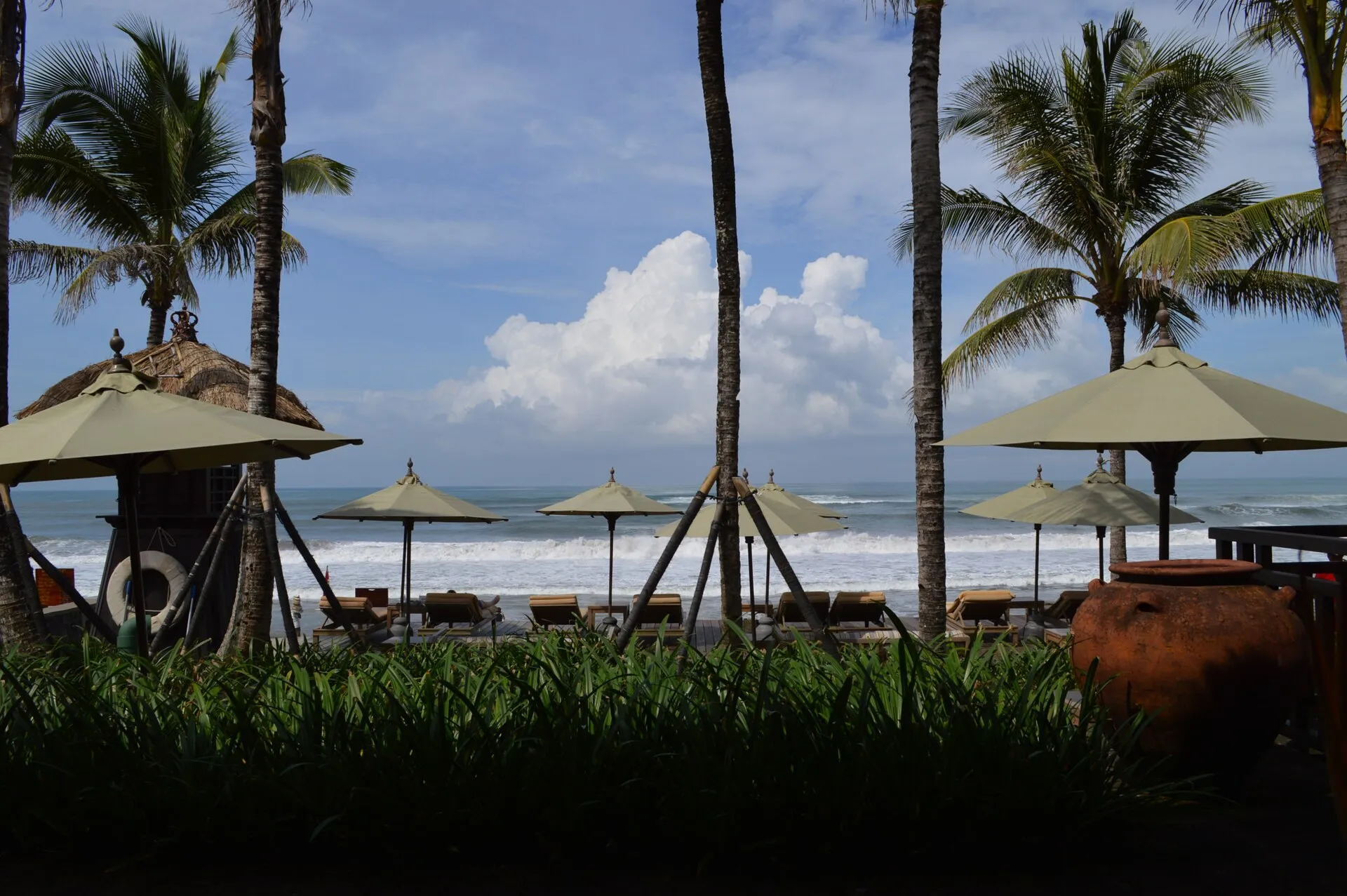 Photo: Porcinno Rondus / Wikimedia Commons (CC BY 3.0)