Cost of Living in Malang
Real market data
Source: Numbeo · August 2026
$330/moSolo nomad1-bed centre + living costs
$480/moCoupleshared 1-bed + costs
$280/moLean / localcheaper area + costs
- 1-bed rent, city centre$140Rp2,483,333
- 1-bed rent, outside centre$91Rp1,650,000
- Monthly costs excl. rent (1 person)$190Rp3,468,692
- Meal, inexpensive restaurant$1Rp20,000
- Monthly transit pass$6Rp100,000
Prices are from Numbeo (August 2026), converted to USD at $1 = Rp18040 (01 Aug 2026). The monthly living-costs figure is our transparent one-person basket, groceries, a few meals out, utilities, phone, internet, transport and essentials, priced from those figures. Solo adds central rent; couple and lean are estimates from the same numbers. The guide below quotes its own monthly range, which is a different measurement rather than a competing one: this table prices a defined basket at the figures above, while that range is a judgement about how somebody actually lives here.
What this figure covers. The measured average covers the wider Malang regency, including the villages around it. The rents in the guide below are for the city and the university district, which is where anybody working remotely would live and is meaningfully dearer. How we source everything.
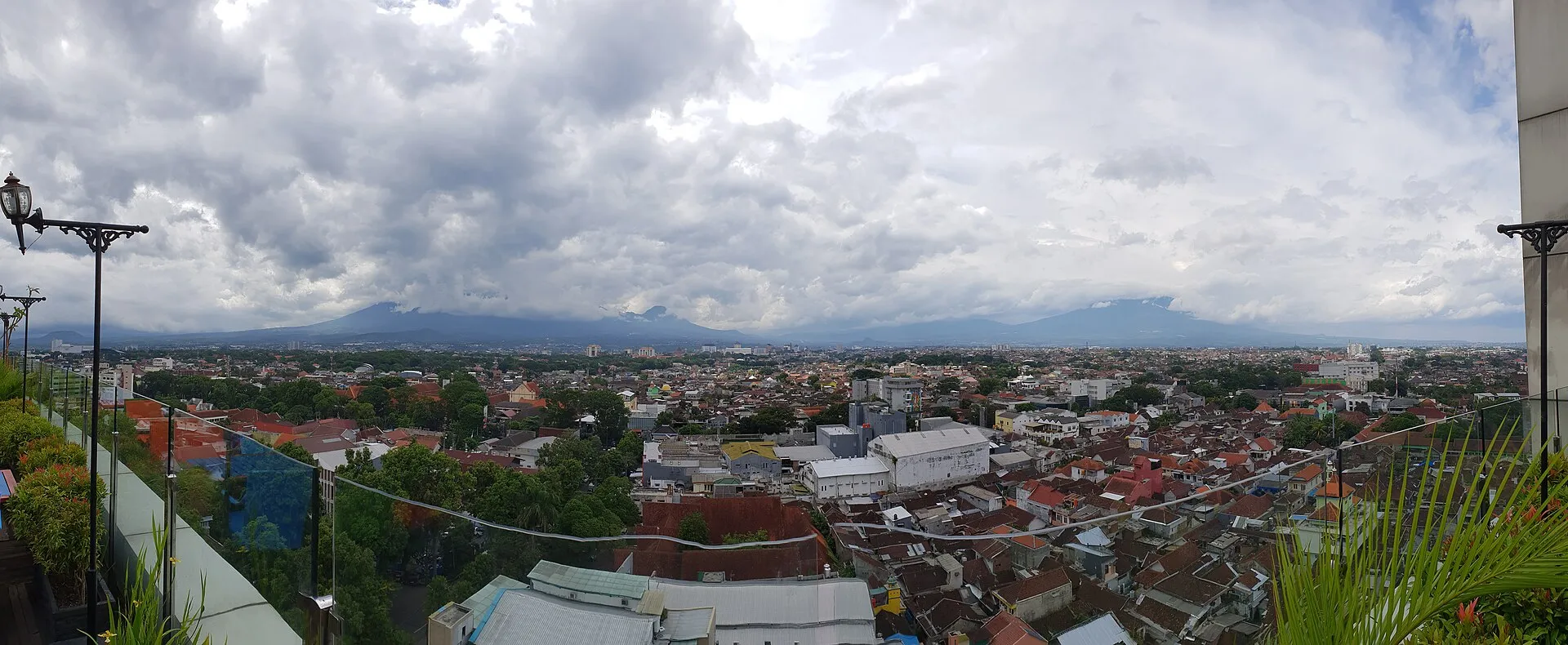
Malang is one of the most affordable mid-sized cities in Indonesia, running roughly 50-70% cheaper than Bali for a comparable lifestyle. A comfortable month looks something like this:
- Rent, central Klojen or Lowokwaru: $250-360 for a furnished one-bedroom apartment
- Rent, outer districts (Blimbing, Kedungkandang): $140-220
- Groceries (local markets and supermarkets): $45-84 per month
- Eating out: A full meal at a warung or local restaurant runs $0.84-2; a sit-down cafe meal with coffee is $3-6.50
- Coworking hot-desk: $39-56 per month at a dedicated space; some cafes let you work all day for $1-3
- Local transport (Grab/Gojek rides): $0.45-1 per short trip; budget $33-56 monthly if you rely on ride-hailing
- Mobile data SIM: $9.50-11 for roughly 10 GB per month
Total monthly range: $450-1,000 covers a comfortable nomad lifestyle. A frugal setup lands closer to $500; adding a private apartment in a nicer area and regular restaurant meals pushes toward $900-1,100.
Where to Work
Malang has a genuine and growing coworking scene, largely driven by its large student population and a cluster of tech startups. Dedicated spaces cost $39-56 per month for a hot-desk and include fast WiFi, printing, and meeting rooms.
- Ngalup Coworking (Lowokwaru) is one of the most established spaces, with a creative-ecosystem focus, event space, and reliable connectivity.
- Gartenhaus Co-Working Space (Lowokwaru) runs a garden-concept cafe-coworking hybrid, open Tuesday-Sunday with outdoor and semi-outdoor seating and WiFi included.
- Seikophi Co-Working and Cafe (near Lowokwaru) is open 24 hours, has fast WiFi on the second-floor work area, and charges as little as $0.84-1 for a minimum food order.
- EZO Space offers a more formal setup with private offices, meeting rooms, and dedicated desks at around $28 per month for an individual desk.
Cafe-working culture is strong. You will find cafes throughout Klojen and Lowokwaru with power outlets at every table, decent WiFi at the better spots, and minimal pressure to leave. City-wide internet speeds are adequate for video calls but occasionally sluggish during peak hours. A local SIM card as backup is a smart habit.
Getting Around
Malang is not a walkable city. The urban layout sprawls, pavements are inconsistent, and the heat and humidity make long walks impractical outside the cooler morning hours. Plan on using transport for most journeys.
Grab and Gojek are the backbone of daily transport. A typical 3 km trip costs $0.56-1. Both apps reliably cover the city center and most residential areas. Motorcycles (ojek) are faster in traffic; cars cost slightly more.
Angkot minibuses run fixed routes and cost around $0.28, but routes are hard to decode without local knowledge and they travel slowly. Most nomads skip them.
Renting a scooter (around $22-33 per month) is a popular move for longer stays and opens up the surrounding volcanic highlands and waterfalls near Batu. An International Driving Permit is technically required for foreigners.
Airport: Abdul Rachman Saleh Airport (IATA: MLG) sits about 9-10 km east of the city center. A Grab or Gojek car costs $4.50-8.50 and takes 30-60 minutes depending on traffic. White angkot minibuses run from the airport to the city for $0.28. The airport serves domestic routes; you typically fly via Jakarta or Surabaya for international connections. Surabaya's Juanda Airport is about 90 minutes away by car or intercity bus and offers far more international options.
Sorting transport? Book an airport transfer, or compare car rental on Auto Europe and QEEQ.
Visas and Staying Long-Term
Only ASEAN citizens and a short list of other nationalities enter Indonesia visa-free, for 30 days with no extension. Most passports from Europe, North America, and Australia use the Visa on Arrival instead.
The most practical option for longer stays is the Visa on Arrival (e-VOA), available to citizens of around 90 countries. It grants 30 days and can be extended once for another 30 days (total 60 days), at about $28 each for the visa and the extension. You can apply online before arrival at evisa.imigrasi.go.id.
For stays up to 60 days with extensions possible, the B211A / C1 Social-Cultural Visa (now sometimes listed as C1 under Indonesia's 2024 visa reclassification) allows an initial 60 days and up to two 60-day extensions, giving a maximum of 180 days. As of June 2025, extensions require an in-person visit to the local immigration office in Malang.
For a year-long stay, Indonesia's E33G Remote Worker Visa requires income of at least USD 60,000 a year, a work contract with a company established outside Indonesia, a bank balance of at least $2,000, and a passport valid for at least 6 months.
Best Time to Visit
Malang sits at roughly 450-800 meters elevation, which gives it a noticeably cooler and more comfortable climate than coastal Indonesian cities. Temperatures year-round sit between 24-29°C (75-84°F), with higher humidity during the wet season.
The dry season runs May through October, with July and August being the driest months (minimal rain, lower humidity). This is the best window for remote work: more reliable power, less damp, and easier travel to surrounding natural attractions like Mount Bromo and the Batu highlands.
The wet season runs November through April. January and February are the wettest months, each averaging about 230-240 mm of rain across around 19 rainy days. Afternoon downpours are common but usually brief. Cafes and coworking spaces keep you productive regardless, and the landscape is lush and green.
For remote work specifically, May to September offers the best conditions: stable weather, stable power, and the surrounding scenery is clear enough to make weekend trips worthwhile.
Pros and Cons
Pros
- Very low cost of living, well below Bali or Jakarta
- Pleasant, cooler climate due to elevation
- Growing coworking and cafe-work scene with real options
- Excellent local food scene, from street warungs to upscale Javanese restaurants
- Close to outstanding natural attractions: Mount Bromo, Batu, waterfalls
- Spacious and uncrowded compared to tourist-heavy Indonesian cities
- Reliable electricity supply
Cons
- Average internet speeds are moderate city-wide; fast coworking WiFi is available but not universal
- English proficiency among the general population is limited; Bahasa Indonesia helps
- Not walkable; you depend on ride-hailing or a rented scooter for most trips
- Nightlife and international entertainment options are thin
- Hospital quality is basic; serious medical issues require travel to Surabaya
- Air quality is moderate (AQI around 100), and the city has significant traffic congestion
- Women traveling solo have reported lower comfort levels than in Bali or Yogyakarta
Who Malang Is Best For
Malang suits nomads who prioritize low costs and a genuine Indonesian city experience over a ready-made expat ecosystem. If you are comfortable navigating without much English, happy to work from cafes or coworking spaces, and want easy access to volcanic landscapes and cool highland air, Malang is a strong choice. It works particularly well for those already spending time in Java who want an affordable base between Yogyakarta and the Bromo region.
Longer-stay solo nomads who want quiet, productive months on a tight budget, and couples or small groups comfortable with local living, tend to thrive here.
You might find Malang harder going if you need consistently fast broadband for large file transfers or frequent HD video calls without a coworking plan, rely on English-language services in daily life, want an active nightlife or international social scene, or are a solo woman traveler who prefers destinations with a stronger safety track record for women. Bali or Yogyakarta will suit those needs better.