Cost of Living in Makassar
Where this figure comes from. No cost survey covers Makassar, so the $800 a month above is our own estimate rather than a measurement. On 416 of our 999 city guides the figure is built from a published Numbeo basket, a one-bedroom rent in the centre plus one person's monthly costs without rent, converted to USD; this city is not one of them. How we source everything.
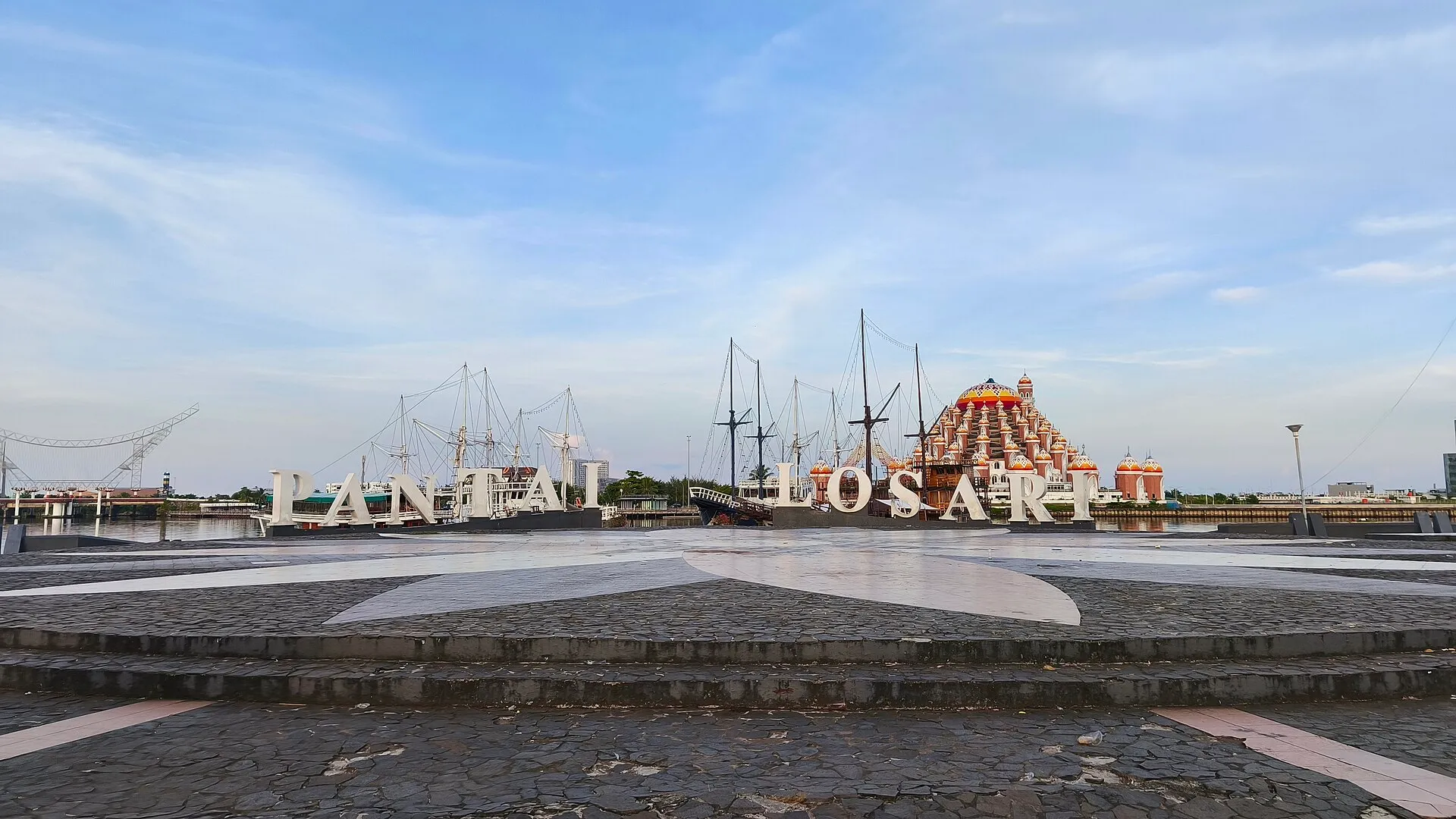
Makassar is one of the more affordable large cities in Indonesia. Your biggest expense is rent: a furnished studio or one-bedroom apartment in the central Panakkukang or CBD area runs $195-335 per month. Move to the quieter residential districts of Tamalanrea or Rappocini and you can find similar rooms for $110-195. Monthly groceries from local wet markets and supermarkets (Hero, Transmart) cost around $44-67. Eating out is very cheap: a bowl of Coto Makassar at a local warung costs $1-2, and a full meal at a mid-range restaurant runs $4.50-8.50 for two. A hot-desk at a coworking space such as Regus Graha Pena starts at $14/day or around $60/month. Local transport via Grab or Gojek for daily rides adds up to roughly $22-33/month. Utilities including electricity and water for an apartment average $83 per month. A realistic monthly total for a comfortable solo nomad life is $390-665, with most people landing around $550-650 all-in. Beyond coto, the city's other dishes are konro, a beef rib soup, and pallubasa, and pisang epe, a pressed and grilled banana in palm sugar sold from carts along Losari in the evening, is the cheapest treat in town.
Where to Work
Makassar's coworking scene is growing but still modest compared to Bali or Jakarta. Regus at Graha Pena (Jl. Urip Sumoharjo, 5th floor) is the most professional option, with stable fiber internet, meeting rooms, and flexible daily or monthly passes. Kemae Creative Hub in Rappocini offers a very affordable drop-in rate of $1/hour with fiber WiFi, coffee, and a relaxed creative atmosphere. Several newer spaces including Coffice in Mangkura, Heroes Center in Tidung, and GENG WORK in Tamalanrea provide alternatives, though not all maintain consistent hours. Cafe-work culture is genuinely popular in Makassar. KOZI Coffee on Jl. Andi Mappanyukki, Anomali Coffee on Jl. Ratulangi, and Noice Coffee Roaster are all known for solid WiFi, power outlets at most seats, and tolerant staff. The honest caveat on WiFi: connections across the city are slow, and dedicated coworking spaces with fiber connections are more reliable than cafes. Mobile data via Telkomsel or Indosat 4G is a strong backup and widely available. The city keeps central Indonesian time, UTC+8, an hour ahead of the capital and the same as Singapore and Perth, which suits clients in Asia and Australia and pushes European calls into the evening.
Getting Around
Makassar is not a walkable city in any meaningful sense. The streets are wide and traffic is heavy, with no functional public bus network for daily commuting. Your primary tools are Grab and Gojek, both of which are active and reliable throughout the city. A typical ride across town costs $1-2. Pete-pete (minivans) are the traditional public option but routes are hard to decode without local knowledge. Renting a scooter is possible through local rental shops for $4.50-6.50/day and gives you the most freedom, though traffic can be chaotic. Sultan Hasanuddin International Airport (UPG) sits about 19 km from the city center, a 30-45 minute drive depending on traffic. An official airport taxi to the center costs around $7-9.50, or you can take a Grab from just outside the terminal for slightly less. Boats to Samalona, the nearest reef island in the Spermonde archipelago, leave from Kayu Bangkoa pier by Losari beach, take around half an hour and are hired whole for roughly $30 to $45 return, so the trip gets cheaper with a group. Paotere harbour in the north of the city still berths wooden pinisi schooners loading cargo for the eastern islands, a working port rather than a museum, at its busiest early in the morning.
Sorting transport? Book an airport transfer, or compare car rental on Auto Europe and QEEQ.
Visas and Staying Long-Term
Citizens of most Western countries, including the US, UK, Australia, Canada, and the EU, receive a Visa on Arrival (VoA) valid for 30 days on arrival at Sultan Hasanuddin Airport. You can extend it once at the local immigration office (Kantor Imigrasi) for another 30 days, giving 60 days total at a cost of $28. Indonesia's E33G Remote Worker Visa covers a year for employees of foreign companies earning at least USD 60,000 a year; for everyone else the B211A social-cultural visa is the usual longer-stay route: it grants 60 days on entry, extendable up to 180 days total, and costs approximately $110-140 in government fees, with most nomads using a local agent. You must apply for the B211A before arriving. Since October 2025 every arrival, Indonesian or foreign, has to complete the All Indonesia declaration, which replaced the separate customs and health forms and can be filed up to three days before landing; it produces a QR code that is scanned at the airport.
Best Time to Visit
Makassar sits in a distinct climate zone: the dry season runs from June through September, when rainfall is minimal, skies are clearer, and the heat stays around 28-30°C (82-86°F). This is the optimal window for remote work: humidity is lower, power outages from storms are rare, and the city is at its most livable. October is a short transition month that still holds well. The wet season runs November through April and peaks in January and February with near-daily heavy rain and up to 700 mm of precipitation in a month. Working is still possible during the wet season as most spots are air-conditioned, but flooding can disrupt transport and power supply. If you are planning a first visit, July through September is the sweet spot.
Pros and Cons
Pros
- Very low cost of living: you can live comfortably well under $700/month
- Exceptional local food scene, especially seafood and Coto Makassar
- A genuine Indonesian city with little tourist infrastructure, meaning authentic daily life
- Gateway to outstanding nature: Taka Bonerate reef, Toraja highlands, and Maluku are all reachable from here
- Grab and Gojek are reliable and cheap for getting around
- Growing coworking scene with affordable drop-in options
Cons
- Internet speeds are slow outside dedicated coworking spaces
- Very limited English outside of hotels and upscale restaurants
- Not walkable and traffic congestion is a daily reality
- Tiny international nomad community: you will mostly be building local connections
- High humidity makes it physically uncomfortable outside, especially November through April
- Nightlife and international dining options are limited compared to Bali or Jakarta
Who Makassar Is Best For
Makassar suits nomads who want to stretch their budget as far as possible and are not dependent on fast fiber internet for video-heavy work. If you find standard Southeast Asia circuits (Bali, Chiang Mai, Ho Chi Minh City) overrun and prefer somewhere that feels genuinely unscripted, this city delivers. It is a strong fit for food writers, travel photographers, or anyone using eastern Indonesia as a base for diving or cultural exploration in the surrounding region. You will do well here if you speak some Bahasa Indonesia or are learning it, since daily life depends on it.
Skip Makassar if reliable high-speed internet is non-negotiable for your work, if you need a large expat community or English-speaking professional network, or if you want easy access to international flights and amenities. Nomads who need frequent video calls, large file uploads, or cloud-heavy workflows will find the average connectivity frustrating. Solo women travelers should be aware that safety perceptions in the city are mixed at night, so standard urban precautions apply more firmly here than in more tourist-oriented Indonesian cities. The Maros karst an hour north holds a cave painting of human figures and a pig dated in 2024 to at least 51,200 years, the oldest painted scene yet found.