Cost of Living in Labuan Bajo
Where this figure comes from. No cost survey covers Labuan Bajo, so the $900 a month above is our own estimate rather than a measurement. On 416 of our 999 city guides the figure is built from a published Numbeo basket, a one-bedroom rent in the centre plus one person's monthly costs without rent, converted to USD; this city is not one of them. How we source everything.
Labuan Bajo sits at the moderate end of Indonesia's cost spectrum. It is pricier than Bali's cheapest corners because almost everything, from fuel to fresh produce, is shipped or flown in, and the tourist economy has pushed rents and restaurant prices up. A comfortable solo nomad month typically lands between $800 and $1,500, depending heavily on how many boat trips and dives you book. Local warungs and a Telkomsel data plan keep daily life cheap, but liveaboards, day tours to Padar and Komodo, and diving packages add up fast and can dwarf your fixed costs. Budget for the experiences, since they are the whole point of being here. Park fees come on top of the boat price: since 1 April 2026 every visit to the national park has to be booked in advance through the SIORA online system by a licensed boat operator, walk-in tickets are gone, and the daily entrance charge for foreigners starts at about $15 per person before ranger and harbour fees.
- Room or small guesthouse: roughly $300 to $700 per month, more for a sea-view villa.
- Local warung meals: $2 to $4; tourist restaurants and sunset bars: $8 to $20.
- Day boat tours: $40 to $90 per person; multi-day liveaboards run into the hundreds.
- Scooter rental: around $5 to $8 per day, cheaper monthly.
Where to Work in Labuan Bajo
Nobody moves to Labuan Bajo for its office life: this is an island-and-diving base, not a deadline factory. Connectivity is variable and can be genuinely slow, and occasional power or water outages will interrupt a call at the worst moment. That said, it is improving year on year. Your most reliable setup is a Telkomsel SIM with a generous data package, since mobile 4G often beats cafe wifi. Work in the cooler mornings, then get on the water. A handful of laptop-friendly cafes and a couple of small coworking spots have opened along and above the harbour, and higher-end hotels usually have the steadiest connections if you need to guarantee an important video meeting.
- Get a Telkomsel SIM with data as your primary and backup connection.
- Favour morning work sessions when networks and cafes are quietest.
- Keep a mobile hotspot ready for when cafe wifi drops.
- Book calls with buffer time in case of a power or water cut.
Getting Around Labuan Bajo
The town itself is small and walkable, strung along the harbour on Jalan Soekarno-Hatta, so you can cover the main strip, ports, and eateries on foot. For anything further, ojek motorbike taxis and Gojek get you around cheaply, and regular taxis handle airport runs. The real transport, though, is by boat: day boats and liveaboards depart the harbour for Komodo National Park, Padar, Pink Beach, and the dive sites, and this is how you reach the islands. Flights land at Komodo Airport (LBJ) with direct connections from Bali and Jakarta. If you want to explore Flores itself, its waterfalls, villages, and the road toward Ruteng, renting a scooter or hiring a driver is the way to go.
- Walk the harbour strip; use Gojek or ojek for short hops.
- Boats from the harbour reach Komodo, Rinca, Padar, and the dive sites.
- Fly into Komodo Airport (LBJ) from Bali or Jakarta.
- Rent a scooter or hire a driver to explore inland Flores.
Sorting transport? Book an airport transfer, or compare car rental on Auto Europe and QEEQ.
Visas for Labuan Bajo
As part of Indonesia, Labuan Bajo falls under the country's national visa rules, so nothing here is town-specific. Many visitors arrive on a visa-on-arrival or the online e-VOA, commonly granting 30 days and extendable once for another 30 at an immigration office. For longer or work-oriented stays, travellers often look at the B211 visit visa or the newer remote-worker and longer-stay options Indonesia has been rolling out. Since Komodo airport gained international status in 2024, AirAsia has flown in directly from Kuala Lumpur and the visa on arrival is sold at the airport itself, so entering through Bali is no longer the only way in. The month of a visa on arrival starts at whichever airport you enter the country through, so a few days in Bali before the flight east come out of the same month.
- Visa-on-arrival or e-VOA: commonly 30 days, extendable once.
- C1 visit visa (formerly B211A): a 60-day single-entry option, extendable in-country, often used for extended stays.
Best Time to Visit Labuan Bajo
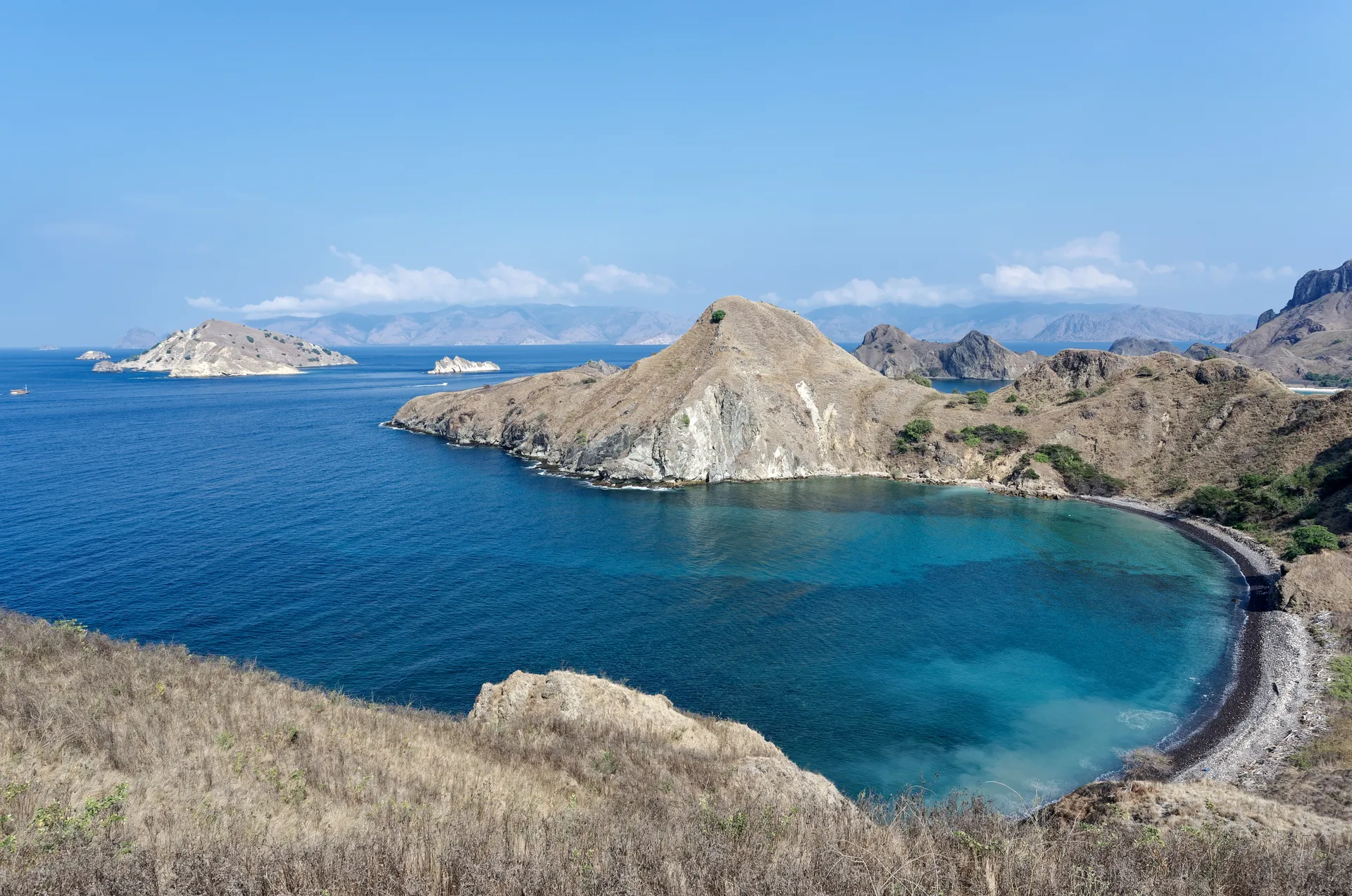
The dry season, roughly April to November, is the clear winner and the reason most people come. Seas are calmer, visibility for diving and snorkelling with manta rays is at its best, and island-hopping to Padar and Komodo is reliable and comfortable. Skies are largely clear for those hillside sunsets over the bay. The wet season, from about December to March, brings heavier rain, greyer skies, and rougher water that can cancel boat trips and muddy dive visibility, though it also means fewer crowds and greener landscapes. Peak months around July and August are busiest and priciest, so the shoulder months of May, June, September, and October often offer the best balance of good conditions and calmer crowds.
- Dry season (April to November): calm seas, best diving and island-hopping.
- Wet season (December to March): rain, rougher water, possible cancelled trips.
- July and August: peak crowds and prices.
- Shoulder months: strong conditions with fewer people.
Pros and Cons of Labuan Bajo
Labuan Bajo trades everyday polish for extraordinary nature. The upside is genuinely world-class: Komodo dragons, the three-colour view from Padar, Pink Beach, and some of the finest diving and manta encounters anywhere, all wrapped in an island-dotted bay made for sunset bars. The downside is that this is still a small, fast-growing, rough-around-the-edges harbour town. Wifi wobbles, power and water can cut out, infrastructure is patchy, and the nomad community, while growing, is small and diver-tilted. If you need a frictionless work base with fast, reliable everything, this is not it. If you want a slow-travel life built around the sea, the tradeoffs are easy to accept.
- Pros: spectacular marine and island nature, great diving, fun sunset-bar scene.
- Pros: still affordable by Western standards and a relaxed pace.
- Cons: variable wifi and occasional power or water outages.
- Cons: rough infrastructure and a small, still-forming nomad scene.
Who Labuan Bajo Is For
This town is for the diver, the island-hopper, and the slow traveller who measures a good week in boat trips rather than shipped features. It suits nomads with flexible schedules and light connectivity needs who can front-load work into the mornings and spend afternoons underwater or chasing sunsets. It fits people who find rough edges charming rather than frustrating, and who would rather wake up to a harbour full of boats than a coworking hot desk. It is not the place for anyone tied to constant video calls, heavy uploads, or hard daily deadlines, nor for travellers who need reliable infrastructure and a large ready-made social scene. Come for the nature, plan your work around it, and Labuan Bajo rewards you. It also suits anyone who wants Flores beyond the boats: Wae Rebo, a mountain village of conical mbaru niang houses that won a UNESCO conservation award in 2012, lies a long drive and a three to four hour walk inland, and visitors can sleep in one of the houses.
- Great for divers, island-hoppers, and flexible slow travellers.
- Good for light-touch remote workers who work mornings and explore after.
- Not ideal for deadline-heavy jobs needing fast, reliable connectivity.
- Best for those who enjoy nature-first living over urban convenience.