Cost of Living in Surabaya
Real market data
Source: Numbeo · August 2026
$570/moSolo nomad1-bed centre + living costs
$800/moCoupleshared 1-bed + costs
$430/moLean / localcheaper area + costs
- 1-bed rent, city centre$280Rp5,045,710
- 1-bed rent, outside centre$150Rp2,628,000
- Monthly costs excl. rent (1 person)$290Rp5,211,042
- Meal, inexpensive restaurant$2Rp27,500
- Buy price, per m² (centre)$2,190Rp39,428,165
Prices are from Numbeo (August 2026), converted to USD at $1 = Rp18040 (01 Aug 2026). The monthly living-costs figure is our transparent one-person basket, groceries, a few meals out, utilities, phone, internet, transport and essentials, priced from those figures. Solo adds central rent; couple and lean are estimates from the same numbers. The guide below quotes its own monthly range, which is a different measurement rather than a competing one: this table prices a defined basket at the figures above, while that range is a judgement about how somebody actually lives here.
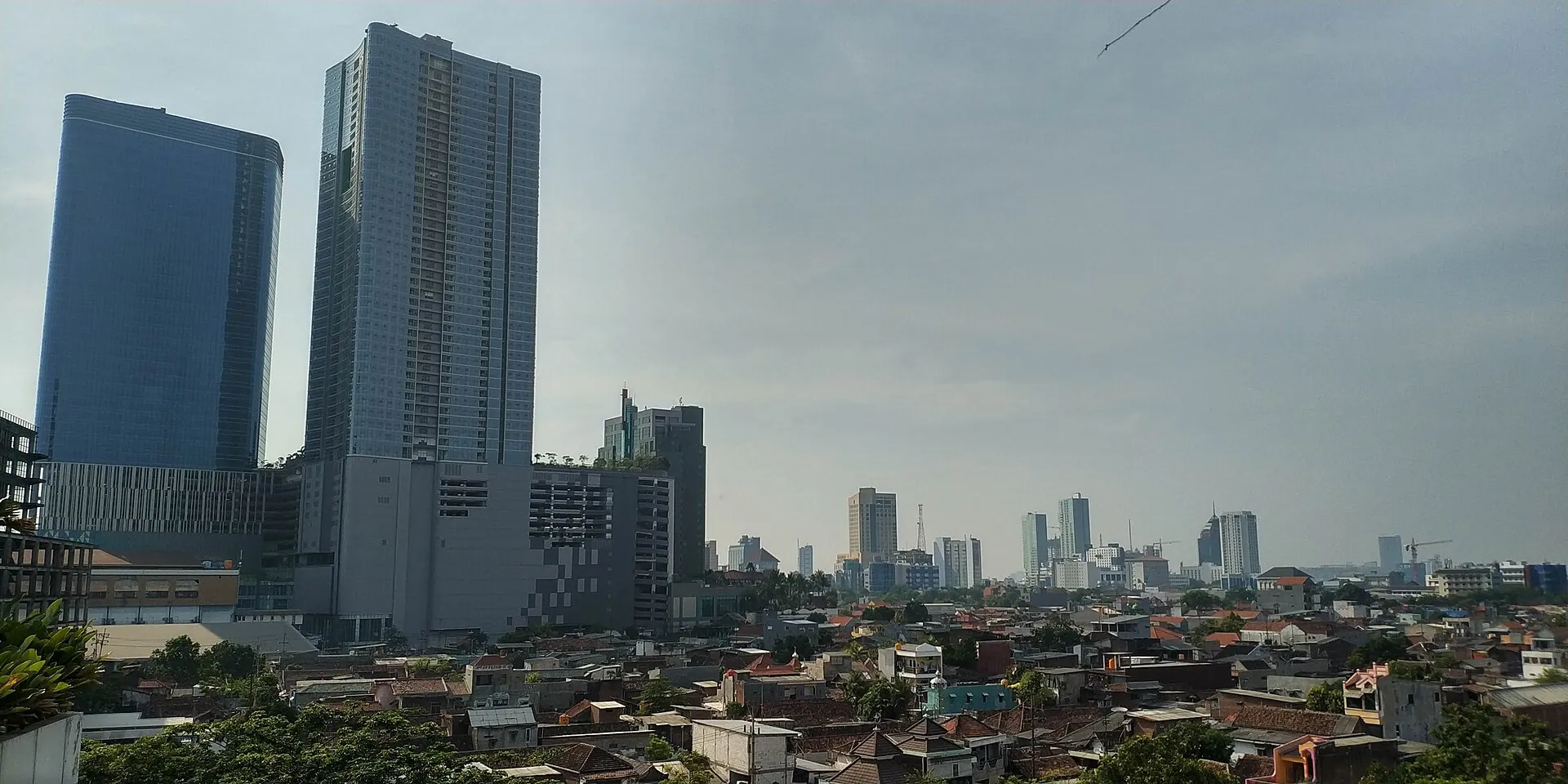
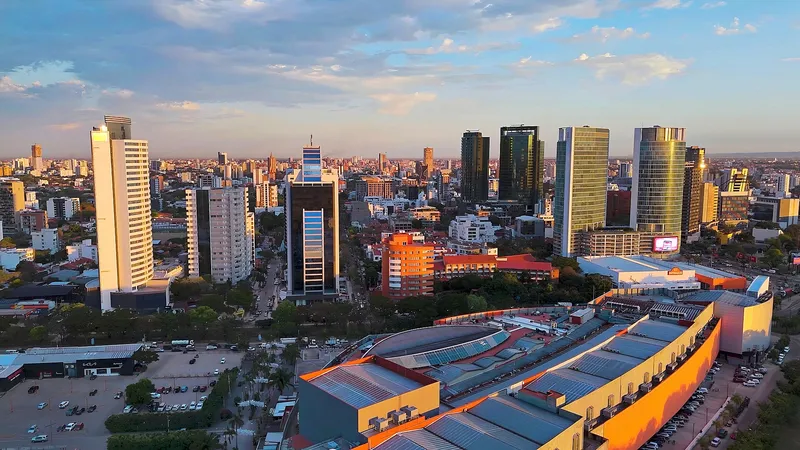
Surabaya is one of Southeast Asia's more affordable large cities, and your money goes further here than in Bali or Jakarta. Expect a comfortable nomad life for roughly $610-940 per month depending on your lifestyle.
- Rent, central areas (Gubeng, Tegalsari): $165-275/month for a 1-bedroom apartment
- Rent, outer areas (Rungkut, Dukuhpakis): $83-140/month
- Groceries (cooking at home): $67-110/month
- Eating out: A warung meal costs $1-1.50; a sit-down restaurant runs $4.50-11 for two
- Coworking hot-desk: $83-140/month at spaces like SUB Co or MyCo X
- Local transport (Grab/Gojek, no car): $28-50/month
- Total range: $500-885/month, or up to $1,200 if you add a gym, dining out frequently, or weekend travel
The currency is the Indonesian Rupiah (IDR). As of mid-2026, $1 is roughly $1.
Where to Work
Surabaya has a growing but still modest coworking scene. Dedicated spaces are mostly business-oriented and cater to local startups rather than nomads, so expect professional environments without much international community.
- SUB Co (Dukuhpakis) and MyCo X (Ciputra World) are the most nomad-friendly options, with reliable high-speed internet, comfortable seating, and flexible daily or monthly rates.
- Regus at Pakuwon Centre is a 24/7 option if you need round-the-clock access, though pricing is higher.
- VISMA (Tegalsari) doubles as a coffee shop and coworking space with long hours (8am-10pm), making it a good drop-in choice.
- Koridor Coworking Space in the historic Siola building on Jalan Tunjungan is free to enter and a pleasant option for shorter sessions.
Cafe-working is common among locals but hit-or-miss. Many cafes have decent WiFi, though some throttle speeds or require purchases every hour. Connections across the city are adequate for video calls but not for large file transfers or 4K streaming. Dedicated coworking spaces offer more reliable speeds. Bring a local SIM card (Telkomsel or XL) for mobile backup; 4G coverage is solid across most of the city.
Getting Around
Surabaya is not a walkable city. It is large, hot, and designed around vehicles. You will need ride-hailing for nearly everything.
Grab and Gojek are the standard way to get around. Both apps work well across the city and prices are low: a typical 5-10 km trip costs $1-2. Motorcycles (ojeks) through the same apps are even cheaper and faster in traffic.
Public buses exist but routes are difficult to navigate without Indonesian language skills and the network is unreliable for time-sensitive trips. Surabaya does not yet have a metro system.
Juanda International Airport (SUB) is about 27 km south of the city center. A Grab to the center takes 40-60 minutes depending on traffic and costs $4.50-7. DAMRI airport buses run hourly for around $1.50 if you want the budget option. Traffic congestion is serious during morning and evening rush hours; plan around it.
Sorting transport? Book an airport transfer, or compare car rental on Auto Europe and QEEQ.
Visas and Staying Long-Term
Most Western passports (US, UK, EU, Australia, Canada) receive a Visa on Arrival (VoA) on arrival at Juanda Airport. It costs about $28, covers 30 days, and can be extended once at a local immigration office for another 30 days, giving you 60 days total. As of May 2025, extensions must be done in person.
Indonesia offers a Remote Worker Visa (E33G), designed for remote workers employed by a company established outside Indonesia and earning at least USD 60,000 a year. It permits a 12-month stay and costs approximately $150 in government fees. You cannot earn income from Indonesian sources on this visa.
For longer stays beyond 60 days without the E33G, a Social Visa (B211A) is commonly used; it requires an Indonesian sponsor but can be extended multiple times.
Best Time to Visit
Surabaya has a tropical climate with two distinct seasons. Temperatures sit between 25-33°C (77-91°F) year-round with high humidity. The difference between seasons is mostly rain, not temperature.
Dry season: May to October. This is the best window for remote workers. July to September are the driest and slightly cooler months, with lows around 22°C (72°F). You get more predictable working days with fewer power interruptions and no flooding concerns.
Rainy season: November to April. Heavy downpours, mostly in the afternoon, can cause localized flooding in low-lying areas. Internet and power infrastructure occasionally dip during storms. It's workable but less comfortable, and moving around the city is slower.
If you want to take weekend trips to Mount Bromo, the Ijen crater, or coastal areas, the dry season gives you far better conditions.
Pros and Cons
- Very low cost of living for a city of its size and infrastructure level
- Authentic Indonesian city life with minimal tourist crowds and no Bali-style commercialization
- Excellent local food scene, from street warungs to a growing upscale dining scene
- Good private healthcare at hospitals like Siloam and Mayapada
- Proximity to nature: Mount Bromo and the Ijen crater are within a few hours
- Safe for foreigners; violent crime is rare and petty theft is manageable with basic awareness
- Heavy traffic and poor walkability: you are ride-hail dependent for almost everything
- Air quality is poor, especially during rush hours; a mask helps
- Very small digital nomad community: meeting other remote workers requires effort
- Limited English outside hotels, malls, and upscale restaurants; daily errands often require Google Translate
- Heat and humidity are relentless; outdoor time is uncomfortable for much of the year
- Internet speeds are adequate but not fast; expect variability
Who Surabaya Is Best For
Surabaya suits nomads who want an affordable, low-drama base in Indonesia without Bali's tourist markup or Jakarta's scale. You will thrive here if you are comfortable navigating a city mostly through a phone app, enjoy Indonesian food and local culture, and do not need a built-in expat scene around you.
It is also a smart choice if you want easy access to East Java's natural highlights, including Bromo, Ijen, and the Madura coastline, while keeping a functional city as your home base.
Skip Surabaya if your work demands consistently fast internet, if you rely on in-person nomad community for motivation or networking, or if you are uncomfortable in a city where English is rarely spoken on the street. Bali remains the go-to for those priorities. Jakarta is better for those who want a large international business community.