Cost of Living in Lombok
Where this figure comes from. No cost survey covers Lombok, so the $780 a month above is our own estimate rather than a measurement. On 416 of our 999 city guides the figure is built from a published Numbeo basket, a one-bedroom rent in the centre plus one person's monthly costs without rent, converted to USD; this city is not one of them. How we source everything.
Lombok sits comfortably below Bali on the cost scale, and below most of Southeast Asia's more hyped nomad spots. Your monthly outgoings depend heavily on which part of the island you base yourself in and how often you cook.
Rent in Kuta Lombok, the main nomad hub, runs roughly $165 to $275 per month for a basic private room with AC, or $220 to $415 for a studio or small house. Lock in a six-month contract and landlords typically drop prices by 20 to 30 percent. Head inland to Mataram, the actual city capital, and you can find furnished rooms from $83 to $140, though you sacrifice proximity to the beach and the nomad scene.
Food costs vary enormously. Eating exclusively at local warungs keeps meals under $1.50 to $2 each. A mixed diet of local lunches and the occasional tourist-facing dinner runs $83 to $165 per month. Groceries from a local market add another $28 to $55 if you cook a few meals at home.
Coworking hot-desk memberships land between $28 and $115 per month depending on the space and the hours you need. A scooter rental plus fuel runs $50 to $83 monthly, which is your most practical transport option.
Realistic monthly totals: Budget traveler staying lean: $500 to $750. Comfortable mid-range with AC accommodation, coworking, and mixed dining: $900 to $1,400. Add regular restaurant meals, gym access, and day trips: $1,500 to $2,000. The $780 headline figure on this page is a studio or small house in Kuta at the top of the range above, about $415, plus Numbeo's one-person monthly basket for Bali, about $366, so it sits between the lean and mid-range tiers and leaves out coworking.
Where to Work
Kuta Lombok is the only area with a genuine remote work infrastructure. A few years ago, the WiFi situation here was genuinely unreliable, but that has changed. Multiple spaces now run fiber connections, Starlink setups, and backup generators, so consistent speeds are achievable.
The Spot (thespot.id) is the most established dedicated coworking space in Kuta, run by a former network architect with four fiber lines and a full restaurant on site. KARIA by TIKA is a newer, more affordable option inside the TIKA Hotels complex, with Starlink and 24/7 access for monthly members. South Lombok Cowork sits above Kuta Beach and offers an ocean-view terrace alongside private call rooms and a backup generator. Xeno Hub blends coworking with a restaurant and connects to a gym next door, which suits the fitness-focused crowd.
The cafe-work culture is lighter than Bali. Some cafes tolerate laptops during quiet hours but switch focus to diners by evening. Bush Radio and Kenza both work reasonably well for a few focused hours in the morning, though Kenza enforces a no-laptop rule after 7 PM. Milk Espresso is your best bet for genuinely good coffee and a quiet morning session.
Outside Kuta, coworking options essentially disappear. Senggigi has a handful of cafes but no dedicated spaces. If you need reliable infrastructure, stay in Kuta.
Getting Around
A scooter is close to mandatory. Lombok is not walkable at any meaningful scale: distances between beaches, markets, and restaurants mean that walking is impractical for anything beyond your immediate street. Renting a 110cc automatic scooter costs $3.50 to $4.50 per day, or roughly $50 per month on a longer contract. Technically, an international driving permit with a motorcycle endorsement is required and police checkpoints do appear on the main roads near Mataram and the airport, so carry your documentation.
GrabCar and GrabBike work reliably in Mataram and around Lombok International Airport (LOP). In Kuta and Senggigi, availability is patchy. In rural areas, Grab simply does not function. Fixed-price taxis from the airport to Kuta Lombok run approximately $11 to $14 and take around 30 to 40 minutes.
The airport is small and direct connections are improving, but most international arrivals still come via Bali. By sea, the public car ferry links Padang Bai in east Bali with Lembar in south-west Lombok, and fast boats run from Bali to the Gili Islands and the north-west coast. The Gili Islands are accessible by speedboat from Bangsal Harbour in around 15 to 30 minutes depending on your destination island.
Sorting transport? Book an airport transfer, or compare car rental on Auto Europe and QEEQ.
Visas and Staying Long-Term
Western passport holders, including the US, UK, EU, Canada, and Australia, are not on Indonesia's visa-free list. They buy a visa on arrival (B1, also sold online as the e-VoA) for about $28, valid for 30 days and extendable once to 60 days total at an immigration office. Visa-free entry covers ASEAN citizens and a short list of other nationalities, for 30 days with no extension. Neither lets you earn money from Indonesian sources.
Indonesia launched its E33G Remote Worker Visa (Digital Nomad Visa) in 2024. It grants a 12-month stay and requires a work contract with a company established outside Indonesia, income of at least USD 60,000 per year, a bank balance of at least $2,000, and a passport valid for at least 6 months. The application fee is approximately $390 and must be submitted from outside Indonesia through evisa.imigrasi.go.id. Since December 2025, E33G holders can sponsor dependents. Spending more than 183 days in a rolling 12-month period may trigger Indonesian tax residency obligations.
Best Time to Visit
Lombok has a clear dry season running from April through October and a wet season from November through March. For remote work purposes, the dry season is significantly easier: reliable power, better infrastructure availability, and fewer interruptions from tropical downpours.
The best months for a balance of conditions and crowd levels are May, June, and September. July and August are peak tourist season, which means more people at the popular beaches and slightly higher accommodation rates, but the weather is excellent. September thins out noticeably while conditions remain dry and clear.
During the wet season, rain typically falls in concentrated bursts rather than all day, and you can still work effectively, but connectivity can dip during heavy storms and some beach roads become difficult on a scooter. The northern coast receives more rainfall than the south, so Kuta's location in the southeast of the island keeps it relatively drier year-round.
Pros and Cons
- Substantially cheaper than Bali across rent, food, and coworking
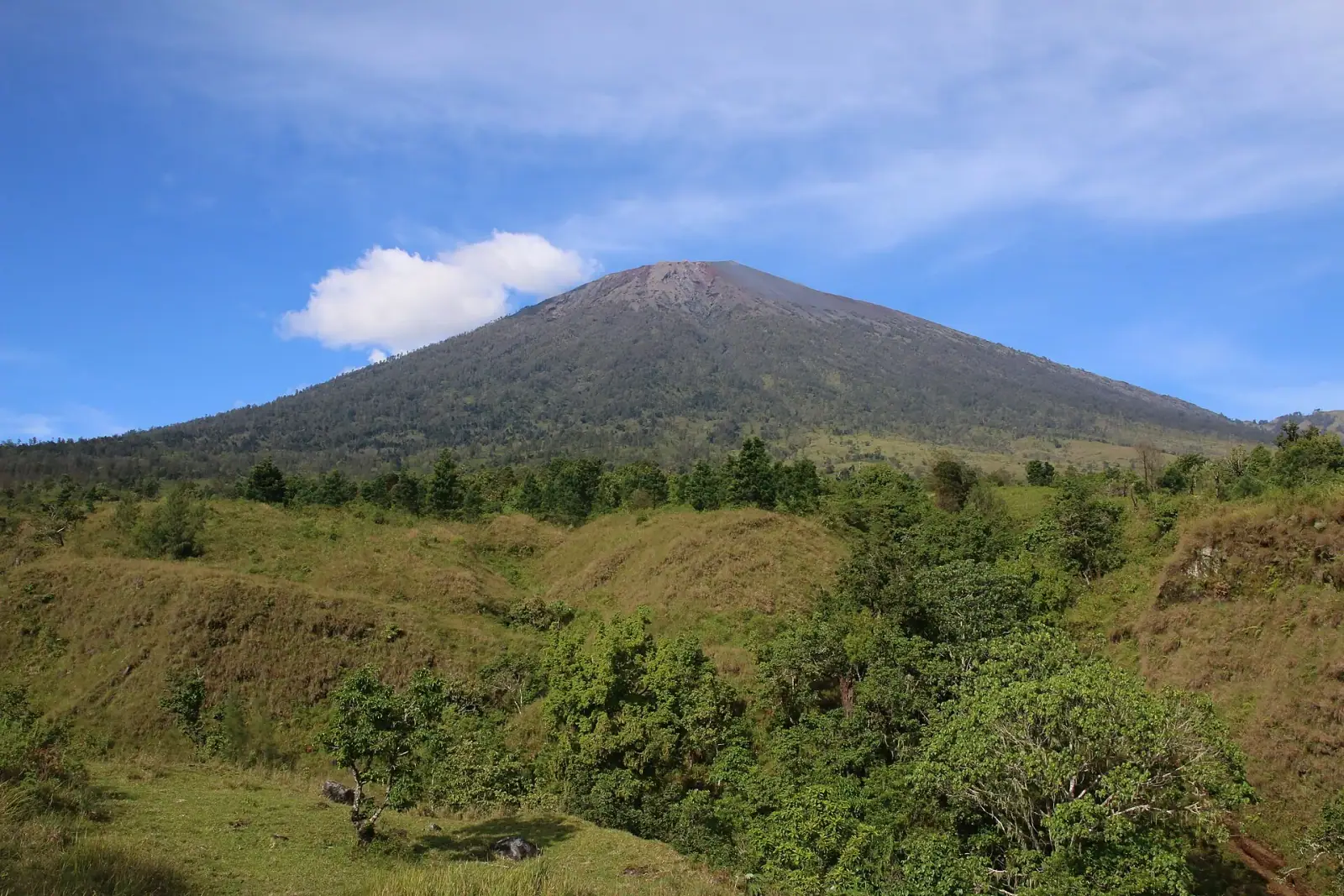
- Genuinely beautiful natural environment: deserted beaches, surf breaks, and Mount Rinjani within reach
- Small but welcoming nomad community concentrated in Kuta
- Less crowded than Canggu or Ubud, with a slower, more relaxed pace
- WiFi has improved significantly in the past two years with fiber and Starlink options
- Strong Indonesian food culture at very low prices
- Coworking infrastructure is limited to Kuta and relatively sparse even there
- Essentially requires a scooter, which adds a real safety risk on narrow roads
- Nightlife is minimal, concentrated in a handful of bars in Kuta
- Medical facilities are basic: serious issues require evacuation to Bali or Singapore
- Few direct international flights, so most arrivals involve a Bali layover
- Community is smaller and less diverse than established Bali hubs
Who Lombok Is Best For
Lombok suits you well if you want the tropical island lifestyle at a meaningfully lower price point than Bali and you are comfortable with fewer amenities in exchange. If your work requires only a laptop and a reliable internet connection and you value nature access over a buzzing social scene, you will find a good rhythm here, especially in Kuta during the dry season.
It is a strong fit for surfers and outdoor enthusiasts, people who have already done Bali and want something quieter, and anyone on a tighter budget who still wants a comfortable base in Southeast Asia.
Skip Lombok if you need enterprise-grade infrastructure, a large nomad community, frequent international flights, or robust healthcare close by. It is also not the right fit if you dislike riding a scooter in traffic, since there is genuinely no alternative for getting around day to day.