Cost of Living in Tana Toraja
Where this figure comes from. No cost survey covers Tana Toraja, so the $600 a month above is our own estimate rather than a measurement. On 416 of our 999 city guides the figure is built from a published Numbeo basket, a one-bedroom rent in the centre plus one person's monthly costs without rent, converted to USD; this city is not one of them. How we source everything.
Tana Toraja is inexpensive by almost any measure, digital-nomad hubs included. A simple guesthouse room in Rantepao runs roughly $8.50 to $19 a night, while a mid-range hotel with hot water and reliable power lands around $25 to $45. Long-stay houses or family-run losmen can be negotiated down to $250 to $400 a month if you plan to stay several weeks. Food is cheap: a plate of nasi campur or Torajan grilled pork (pa'piong) at a local warung costs $1.50 to $3, and even the handful of tourist-oriented cafes in Rantepao rarely charge more than $6 to $8 for a full meal. Hiring a car with driver for a day of sightseeing costs $30 to $50, and motorbike rental is around $5 to $8 a day. Everything runs on cash, IDR rupiah, since card acceptance is rare outside a couple of hotels, and the nearest reliable ATMs are concentrated in central Rantepao and Makale. Budget an extra buffer for entrance fees at burial sites and villages, typically $2 to $5 each, which add up if you're touring several a day. Overall, a modest but comfortable month here can run $500 to $700, making it one of the cheapest highland destinations in Southeast Asia, though savings come with real trade-offs in convenience and connectivity.
Where to Work in Tana Toraja
This is not a place to expect a coworking scene. There is no dedicated coworking space in Rantepao or Makale, and the concept of "digital nomad" infrastructure simply hasn't arrived here. A handful of cafes in Rantepao, most notably around Jalan Ahmad Yani, offer wifi and decent coffee, and some guesthouses have a lounge or terrace with a router that works well enough for email and light browsing. If your work depends on video calls, screen sharing, or large uploads, plan around the connection rather than relying on it: test speeds early in your stay and have a mobile data backup (Telkomsel generally has the widest and most consistent coverage in the highlands). Power cuts happen occasionally, so a laptop with good battery life and a habit of saving frequently will serve you better than any app. Realistically, Tana Toraja works best as a place to unplug and explore for a few days to a couple of weeks, or as a slow-travel stop where you do lighter work in the mornings and treat afternoons as sightseeing time, rather than a base for deadline-heavy remote work.
Getting Around Tana Toraja
Getting here is the first commitment. Most travelers fly into Makassar (Sultan Hasanuddin International Airport) and then either take an 8 to 10 hour overnight or day bus north to Rantepao, or catch a short domestic flight to Toraja's small Buntu Kunik airport (Toraja/Pongtiku) when flights are operating, which cuts the trip to under an hour but is subject to limited schedules and cancellations. The overland route winds through mountainous roads with plenty of switchbacks, so those prone to motion sickness should plan accordingly and pack accordingly. Once in the region, Rantepao and Makale are the two base towns, connected by a 20 to 30 minute drive. Public transport is limited to shared bemos (minivans) on set routes, so most visitors hire a car and driver, arrange a private guide, or rent a motorbike to reach outlying villages, rice terraces, and burial sites like Kete Kesu, Lemo, and Londa. Roads to the more remote villages can be narrow, unpaved in patches, and steep, so a driver familiar with the terrain is worth the modest cost. There are no ride-hailing apps with meaningful coverage here, so expect to negotiate fares directly or book through your guesthouse.
Sorting transport? Book an airport transfer, or compare car rental on Auto Europe and QEEQ.
Visas for Tana Toraja
As part of Indonesia, Tana Toraja follows standard Indonesian visa rules. Visitors from many countries, including the US, UK, EU nations, and Australia, can obtain a Visa on Arrival (VOA) for about $28, valid for 30 days and extendable once for another 30 days at an immigration office (the nearest is generally in Makassar, so plan the extension trip before you commit to a long stay). For stays beyond 60 days, or for those who want to work remotely with more legal clarity, the B211A social-cultural or business visa can be arranged in advance through an agent and typically allows longer stays with extensions. Indonesia does not currently offer Tana Toraja-specific visa arrangements, and there is no meaningful immigration infrastructure locally, so any visa paperwork, extensions, or issues need to be handled in Makassar or before arrival. Given the remoteness, it's worth sorting your visa status out before heading up into the highlands rather than assuming you can fix problems locally.
Best Time to Visit Tana Toraja
The dry season, roughly May through October, is the most reliable window, with firmer roads, clearer mountain views, and fewer landslide risks on the drive up from Makassar. Within that window, July through September is peak funeral season, when many of the region's elaborate multi-day funeral ceremonies take place, often timed around harvests and family schedules. This is genuinely the most culturally significant time to visit, since these ceremonies (rambu solo) are central to Torajan identity, but visitors should go in with clear eyes: they typically involve the ritual sacrifice of buffalo and pigs, which can be intense and is not softened for tourists. If you attend, do so respectfully, ideally with a local guide who can explain protocol, and be honestly prepared for what you'll see. The wet season, November through April, brings heavier rain, slicker roads, and a real chance of delays or landslides on the route from Makassar, so travel is less predictable, though the terraces are at their most vividly green.
Pros and Cons of Tana Toraja
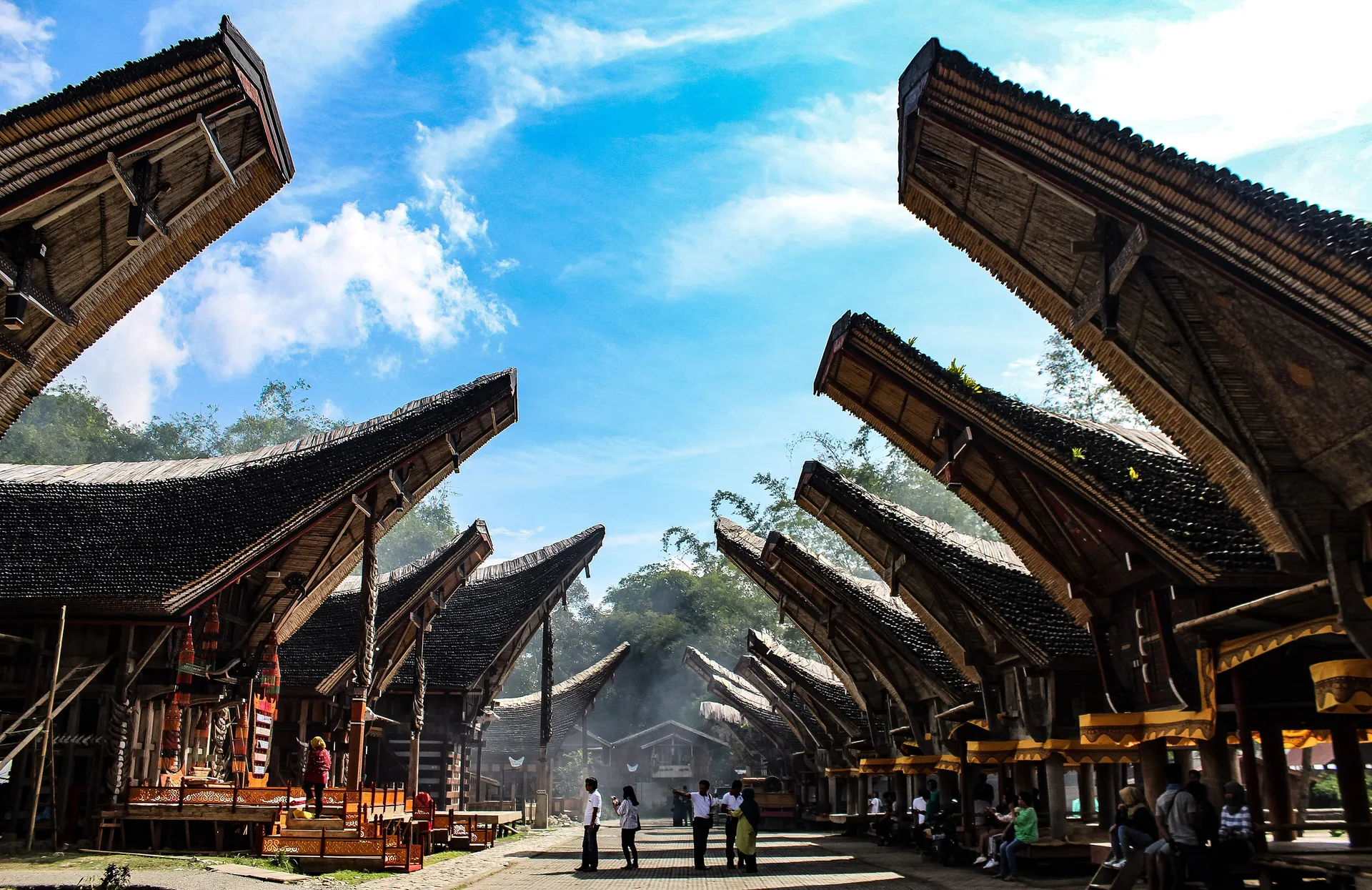
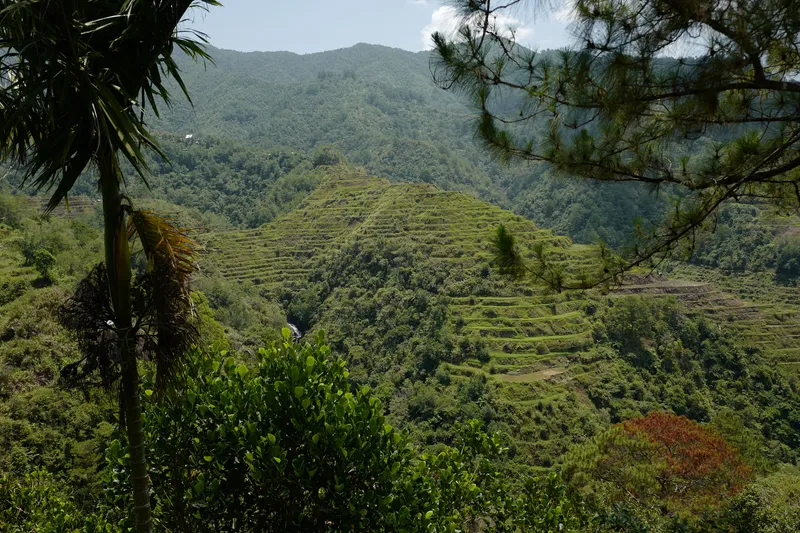
The pros: a genuinely distinctive cultural landscape found nowhere else in Indonesia, with tongkonan houses, terraced rice fields, and burial traditions that reward slow, respectful exploration. Costs are low, the highland climate is cooler and more comfortable than tropical lowland Indonesia, and the sense of discovery here is real since it sees a fraction of the tourism of Bali. The cons are equally real: getting here takes real time and effort, wifi is patchy and unreliable for serious remote work, there's no coworking or nomad community to speak of, nightlife is essentially nonexistent, and infrastructure outside Rantepao and Makale is basic. English is spoken by guides and some guesthouse staff but not widely otherwise, so a translation app or phrasebook helps. Funeral tourism also requires cultural sensitivity; treating a family's grieving ceremony as a photo opportunity is a real risk worth actively guarding against.
Who Tana Toraja Is For
Tana Toraja suits travelers and slow nomads who value cultural depth over convenience: people drawn to architecture, ritual, and rural life who are willing to trade fast wifi and coworking desks for something few other places offer. It works well as a two-to-three-week detour within a longer Indonesia trip, or a deliberate slow-travel stop for someone doing light remote work around a lot of exploring. It is a poor fit for anyone who needs dependable high-speed internet, meeting-heavy work schedules, or an established expat and nomad social scene. It also demands a genuine respect for local customs, especially around funeral ceremonies and animal sacrifice, so it rewards travelers who do their homework and engage thoughtfully rather than treat the region as a checklist stop.