Cost of Living in Kuta Lombok
Where this figure comes from. No cost survey covers Kuta Lombok, so the $800 a month above is our own estimate rather than a measurement. On 416 of our 999 city guides the figure is built from a published Numbeo basket, a one-bedroom rent in the centre plus one person's monthly costs without rent, converted to USD; this city is not one of them. How we source everything.
Kuta Lombok is one of the more affordable beach bases in Southeast Asia, noticeably cheaper than Bali once you leave the trendiest spots. A comfortable solo nomad budget lands roughly between $700 and $1,400 a month, depending on how much you eat out, how central you stay, and whether you rent monthly. Warung meals cost a few dollars, a rented scooter runs cheap by the month, and long-stay guesthouses or simple villas are a fraction of Canggu prices. Prices climb in peak dry season and around Mandalika MotoGP weekends, so book ahead. Many villas and guesthouses run on prepaid electricity meters topped up with tokens from any minimarket, so ask whether power is included in the rent, since air conditioning drains a meter quickly.
- Monthly guesthouse or simple villa: roughly $300 to $700 for longer stays.
- Warung meal: about $2 to $4; a Western cafe plate more like $5 to $9.
- Scooter rental: cheap by the week, cheaper still booked monthly.
- Coffee at a laptop-friendly cafe: around $2 to $3.
Where to Work in Kuta Lombok
Relying on Kuta Lombok for heavy remote work means accepting that infrastructure is still developing, that wifi is variable, and that the power or the water can drop out without much warning. The nomad and surf scene is growing but stays small and low-key, so you will lean on cafes and your own accommodation rather than a big coworking hub. The safest setup is a local Telkomsel SIM loaded with data as your backbone, plus checking any accommodation's actual connection before you commit to a longer stay. A handful of cafes are genuinely laptop friendly and there is a slowly expanding community if you look for it.
- Buy a Telkomsel SIM with a generous data package as your reliable fallback.
- Test the wifi in person before booking a long stay; ask about power reliability.
- Kenza Cafe, El Bazar, and hilltop spots like Ashtari are popular work-friendly cafes.
- Expect a small, friendly, mostly surf-oriented nomad crowd rather than a big scene.
Getting Around Kuta Lombok
A rented scooter is essentially essential here. The town center is walkable and you can reach Kuta beach on foot, but the string of spectacular bays, from Tanjung Aan and Mawun to Selong Belanak and Are Guling, plus the surf breaks at Gerupuk, all sit spread along winding coastal roads. Without your own wheels you will feel stuck. Ride carefully: roads can be rough and rainy-season surfaces slick. Ojek and Gojek-style rides exist but coverage is patchy compared to Bali. Getting in and out is easy enough, with Lombok International Airport (LOP) about twenty minutes away and fast boats and ferries connecting from Bali. Sade, a Sasak village of thatched houses still lived in, stands on the road up from the airport and is the obvious stop on the way in. The best of the reef breaks in the bay to the east sit offshore, so surfers hire a boat from the village there for the short ride out.
- Rent a scooter monthly; it is the only practical way to reach the outer beaches.
- Lombok International Airport (LOP) is roughly a 20 minute drive from town.
- Fast boats and slower ferries link Lombok with Bali and the Gili Islands.
- Ride defensively; wear a helmet and take care on wet or unpaved stretches.
Sorting transport? Book an airport transfer, or compare car rental on Auto Europe and QEEQ.
Visas for Kuta Lombok
Most visitors arrive on Indonesia's visa options rather than anything Lombok-specific. Many nationalities can use the visa-on-arrival or the electronic e-VOA, commonly granting 30 days and extendable once for another 30. For longer stays the usual choice is the C1 tourist visa, the successor to the old B211A, which has to be obtained before travel and gives 60 days, extendable twice by 60 days each for 180 in all. Lombok's airport now takes direct flights from Kuala Lumpur and Singapore, so arrivals from either can buy the visa on arrival on landing here without routing through Bali first.
- Visa-on-arrival or e-VOA: commonly 30 days, extendable once for 30 more.
- C1 visit visa (formerly B211A): 60 days, extendable in-country, which suits multi-month slow travel.
- Longer-stay and nomad-style visas exist.
- Overstaying carries daily fines.
Best Time to Visit Kuta Lombok
The dry season, roughly May to October, is the sweet spot. Expect mostly sunny days, calmer skies, the best beach conditions, and reliable, well-shaped surf across the reef breaks. This is peak season, so accommodation fills and prices rise, especially around holidays and the Mandalika MotoGP weekend. The wet season, roughly November to March, brings heavier rain, humidity, rougher seas, and more frequent power or connectivity interruptions, though it is greener, quieter, and cheaper. Shoulder months on either side can offer a good balance of decent weather and thinner crowds. Surfers should match their trip to the swell and wind windows they want. Rinjani, the volcano the rest of the island is arranged around, closes its trekking trails every year from 1 January to 31 March, so a climb belongs in the dry months as well. Bau Nyale, when villagers wade into the sea at Seger beach before dawn to net spawning sea worms, falls in February or March by the Sasak calendar and is the one wet-season reason to be here.
- May to October: dry, sunny, best beaches and surf, busiest and priciest.
- November to March: wetter, rougher, quieter, and cheaper.
- Expect crowds and higher rates around the MotoGP event at Mandalika.
Pros and Cons of Kuta Lombok
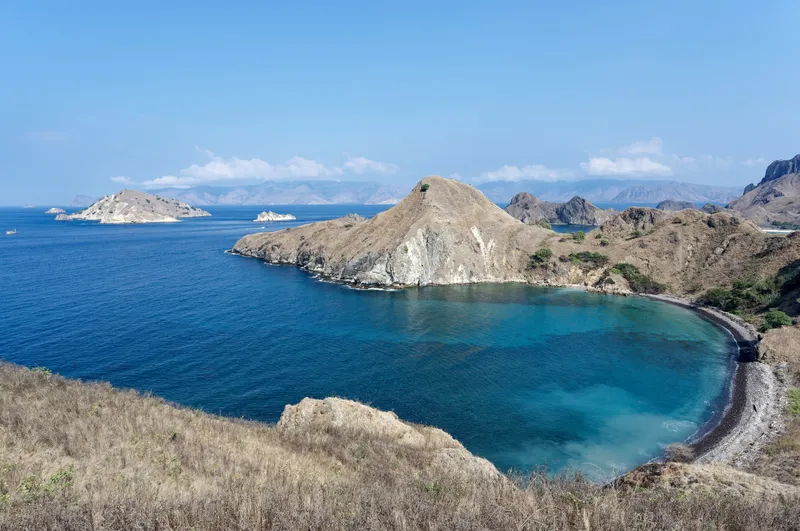
Kuta Lombok trades polish for beauty and space. You get some of Indonesia's most stunning white-sand bays, world-class reef surf, a genuinely relaxed pace, low costs, and a small but welcoming nomad and surf community, all without Bali's crowds and traffic. The flip side is real: infrastructure is still developing, so wifi is variable and power or water can drop out; you truly need a scooter to enjoy the area; and it is more remote, with fewer services than a big hub. It is a place that rewards flexibility and punishes anyone expecting big-city reliability. Come for the lifestyle, not the convenience. The Mandalika circuit on the edge of town hosts MotoGP, which brings the area its few genuinely crowded weekends and has paid for much of the new road and resort building around Kuta, so the place is changing visibly from one year to the next.
- Pros: gorgeous beaches, excellent surf, low cost, calm vibe, growing scene.
- Cons: variable wifi and utilities, developing infrastructure, more remote.
- Pros: far less crowded and cheaper than Bali's south.
- Cons: a scooter is essential; limited nightlife and services.
Who Kuta Lombok Is For
Kuta Lombok suits the surf-and-beach slow-travel nomad above all. If your ideal week is dawn sessions at Gerupuk, lazy afternoons on empty sand at Tanjung Aan, and light, flexible remote work you can shape around a wobbly connection, you will love it here. It is a strong fit for people who value nature, quiet, and value for money over nightlife, coworking hubs, or guaranteed reliability. It is a weaker fit for anyone with heavy real-time work demands, who wants a big social scene, or who prefers not to ride a scooter. Come with patience, a backup data plan, and a taste for the outdoors. Anyone who wants Lombok's mountains as well as its beaches is well placed too, since Rinjani and the waterfalls on its northern slopes are a long but manageable drive away.
- Great for: surfers, beach lovers, and unhurried slow travelers.
- Great for: budget-minded nomads with flexible, low-bandwidth work.
- Less ideal for: heavy real-time work, nightlife seekers, or non-riders.