Cost of Living in Yogyakarta
Real market data
Source: Numbeo · August 2026
$490/moSolo nomad1-bed centre + living costs
$710/moCoupleshared 1-bed + costs
$430/moLean / localcheaper area + costs
- 1-bed rent, city centre$210Rp3,832,000
- 1-bed rent, outside centre$160Rp2,833,333
- Monthly costs excl. rent (1 person)$280Rp5,004,616
- Meal, inexpensive restaurant$1Rp20,000
- Monthly transit pass$9Rp156,000
- Buy price, per m² (centre)$1,660Rp30,000,000
Prices are from Numbeo (August 2026), converted to USD at $1 = Rp18040 (01 Aug 2026). The monthly living-costs figure is our transparent one-person basket, groceries, a few meals out, utilities, phone, internet, transport and essentials, priced from those figures. Solo adds central rent; couple and lean are estimates from the same numbers. The guide below quotes its own monthly range, which is a different measurement rather than a competing one: this table prices a defined basket at the figures above, while that range is a judgement about how somebody actually lives here.
Yogyakarta, known locally as Jogja, is one of the most affordable cities in Indonesia for remote workers. Your monthly spend depends heavily on your comfort level, but the city rewards frugal habits without forcing them on you.
- Rent, central areas (Prawirotaman, Kotabaru): $165-275/month for a furnished studio or guesthouse room
- Rent, outer areas (Sleman, Condongcatur): $83-140/month for a basic kost (boarding room)
- Groceries: $33-67/month if you cook occasionally; fresh markets are cheap
- Eating out: $1-2 per meal at a warung; $3-6.50 at a mid-range cafe
- Coworking hot-desk: $2-4.50/day, or $44-83/month
- Local transport (ojek via Grab/Gojek): $11-28/month if you rely on apps daily
- Utilities (electricity, water, WiFi): $17-39/month depending on your accommodation setup
Realistic monthly total: $445-885 covers a comfortable nomad life. Living modestly on $600-700 is genuinely doable; spending $900-1,000 gives you a private apartment, daily cafe work, and regular restaurant meals. This is significantly cheaper than Bali.
Where to Work
Yogyakarta has a growing but still modest coworking scene. The real workhorse for most nomads is the cafe circuit.
Dedicated Coworking
Sinergi Coworking Space in the Demangan area is the most established option, open daily until midnight, hot-desks from $2/day. Excowork in the Gamping/Sleman area offers a more structured office environment with flexible contracts and strong WiFi. If you need a private office or meeting room, these two are your best bets.
Cafe Work Culture
Cafe culture here is welcoming to laptop workers. Simetri Coffee Roasters in Kotabaru is one of the most loved specialty coffee spots in the country, with reliable WiFi and good seating. Ruang Kerja Coffee in Terban is purpose-built for work, combining a coffee shop with collaboration space and river views. Peachy Coffee and Work Space in Wirogunan and Tanamera Coffee in Cokrodiningratan are solid mid-tier options with power outlets and decent speeds.
The WiFi Reality
Cafe WiFi is slow, which handles video calls and cloud work but will hold you back on large uploads or file-heavy tasks. Bring a local SIM card (Telkomsel or XL Axiata) as a backup hotspot. Speeds at dedicated coworking spaces are more consistent. If your work requires reliable fast connections, test your space before committing to it.
Getting Around
Yogyakarta is a mid-sized city and reasonably compact in its core. You can walk between some neighborhoods, but the heat and patchy footpaths mean you will rely on apps most of the time.
Daily Transport
Grab and Gojek cover the whole city and are cheap and reliable. A crosstown motorcycle ride costs $0.50-1. Car rides are roughly three to four times more expensive but still affordable by any measure. TransJogja buses are air-conditioned and cover major corridors for under $0.50 per trip, though routes are less intuitive for newcomers. Many nomads rent a scooter for $28-44/month if they plan to stay a while, though you need an international driving permit technically and traffic rules are loosely enforced.
Airport
Yogyakarta International Airport (YIA) in Kulon Progo is roughly 45 km southwest of the city center. The fastest option is the Railink express train, which takes about 35 minutes to Wojo station or Yogyakarta station and costs $1-1.50. Private taxis and ride-hail services take 60-90 minutes depending on traffic and cost $6.50-14.
Sorting transport? Book an airport transfer, or compare car rental on Auto Europe and QEEQ.
Visas and Staying Long-Term
Indonesia operates a relatively straightforward visa system, and Yogyakarta is fully covered by all national visa types.
Citizens of 97 countries, including most Western passports, can enter on a Visa on Arrival (VOA) for 30 days, costing $28. You can extend this once in person at a local immigration office for another 30 days, also $28. As of May 2025, extensions require a personal visit with biometric data collection, so plan at least half a day for this. Total maximum stay on a VOA route is 60 days.
For longer stays, Indonesia launched a Remote Worker Visa (E33G) in April 2024, valid for one year and renewable for a second year. You must work for a company registered outside Indonesia and cannot earn income from Indonesian sources. It requires proof of employment, income documentation, and health insurance.
There is no official "digital nomad visa" beyond the E33G. Many nomads chain VOAs or use a Social Visit Visa (B211) obtained before arrival for up to 60 days extendable to 180 days total.
Best Time to Visit
Yogyakarta sits at low elevation in Central Java and is tropical year-round, with temperatures between 24°C-33°C (75°F-91°F). The only meaningful variable is rain.
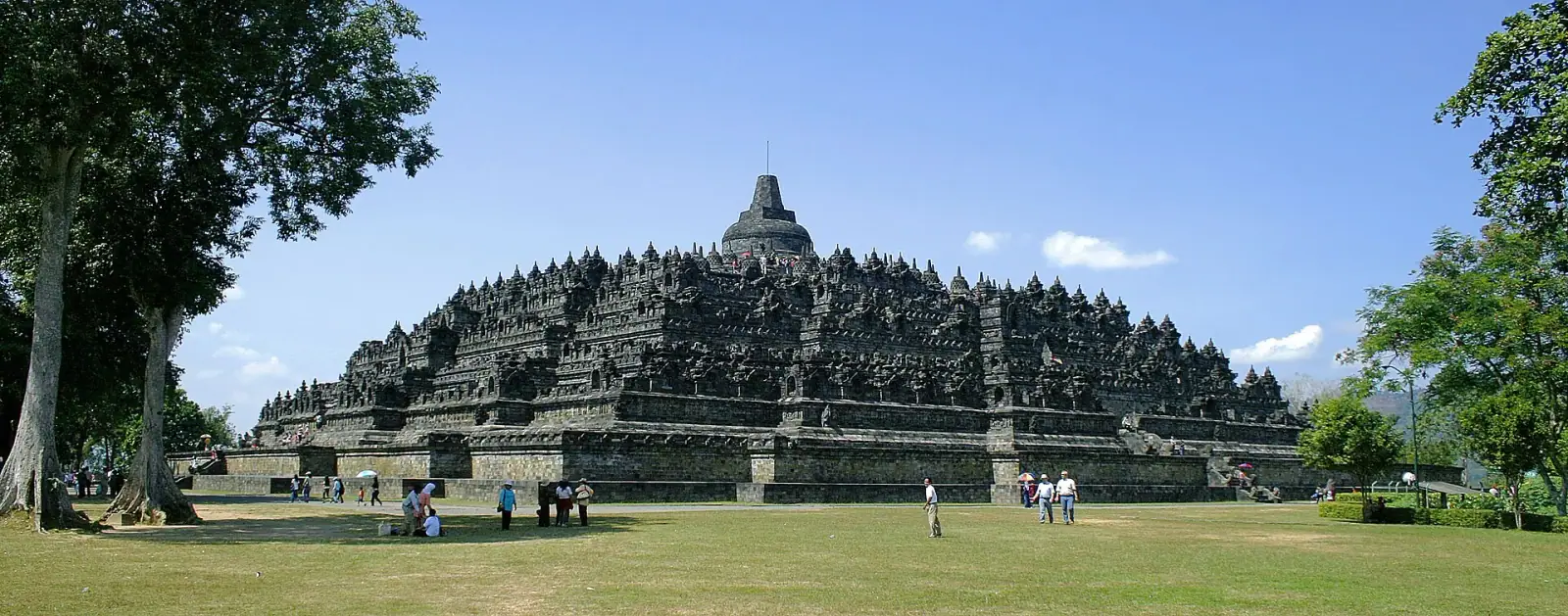
Dry season (May-October) is the best window for remote work. June through September offers the most reliable sunshine and low humidity. Outdoor temple visits are comfortable, and you can keep your apartment windows open without humidity damage to gear. July and August are peak tourist months, so accommodation near Borobudur and Prambanan books up, but the city itself stays manageable.
Wet season (November-April) brings daily afternoon downpours, occasionally severe flooding in low-lying parts of the city, and grayer skies that can affect mood over longer stays. January and February are the wettest months. Prices drop and crowds thin out, which appeals to some. Internet and power outages during storms are a real consideration.
For a working visit of one to three months, May through September is the clear choice. If you want lower prices and do not mind rain, November or April (shoulder months) offer the best trade-off.
Pros and Cons
- Very low cost of living, genuinely among the cheapest cities for a quality nomad setup
- Rich cultural environment with world-class historical sites, traditional arts, and a large student population that keeps the city lively
- Friendly, welcoming atmosphere with low petty crime and a relaxed pace compared to Jakarta or Surabaya
- Excellent food scene from street warungs to specialty coffee, with strong local flavors at minimal cost
- Growing nomad community concentrated in Prawirotaman with regular meetups and a mix of long-term expats and short-term visitors
- Good cafe work culture with many laptop-friendly spots that do not rush you
- WiFi is inconsistent in cafes; you need a backup SIM for reliable video calls
- Airport is far: the new YIA is 45 km out, adding transit complexity and cost compared to cities with closer airports
- Air quality is moderate, with vehicle emissions noticeable in traffic-heavy corridors during peak hours
- Limited healthcare: quality hospitals are available but specialist care is far below what you find in Bangkok or Singapore; travel insurance is essential
- Nightlife is limited by Indonesian standards, with alcohol-serving venues relatively few and dispersed
- English proficiency is lower here than in Bali; daily life outside tourist zones requires patience and some Bahasa phrases
Who Yogyakarta Is Best For
Yogyakarta works best for nomads who want to stretch a budget without sacrificing quality of life. If you are on a monthly income of $1,500-3,000 and want to feel genuinely comfortable rather than just surviving, Jogja delivers at a level Bali cannot match at that price point. It suits people who find meaning in being around history, art, and local culture rather than beach clubs and expat parties.
It is a strong choice for writers, designers, developers, and anyone doing asynchronous work who does not need a formal office every day. The city also rewards those who want to learn Bahasa Indonesia or explore Java's broader culture, as it serves as a natural base for day trips to Borobudur, Prambanan, and Mount Merapi.
Skip Yogyakarta if you need consistent enterprise-grade internet, frequent coworking events with large international crowds, or proximity to high-quality international healthcare. It also suits you less if you want beach access, consistent nightlife, or the kind of established nomad infrastructure that Bali's Canggu has built over a decade. And if you are coming from a high-stress work schedule and need constant stimulation, the slower Javanese pace can feel frustrating before it starts to feel restorative.