Cost of Living in Jakarta
Real market data
Source: Numbeo · August 2026
$690/moSolo nomad1-bed centre + living costs
$970/moCoupleshared 1-bed + costs
$530/moLean / localcheaper area + costs
- 1-bed rent, city centre$350Rp6,315,385
- 1-bed rent, outside centre$190Rp3,427,059
- Monthly costs excl. rent (1 person)$340Rp6,210,946
- Meal, inexpensive restaurant$2Rp40,000
- Monthly transit pass$12Rp210,000
- Buy price, per m² (centre)$2,970Rp53,654,545
Prices are from Numbeo (August 2026), converted to USD at $1 = Rp18040 (01 Aug 2026). The monthly living-costs figure is our transparent one-person basket, groceries, a few meals out, utilities, phone, internet, transport and essentials, priced from those figures. Solo adds central rent; couple and lean are estimates from the same numbers.
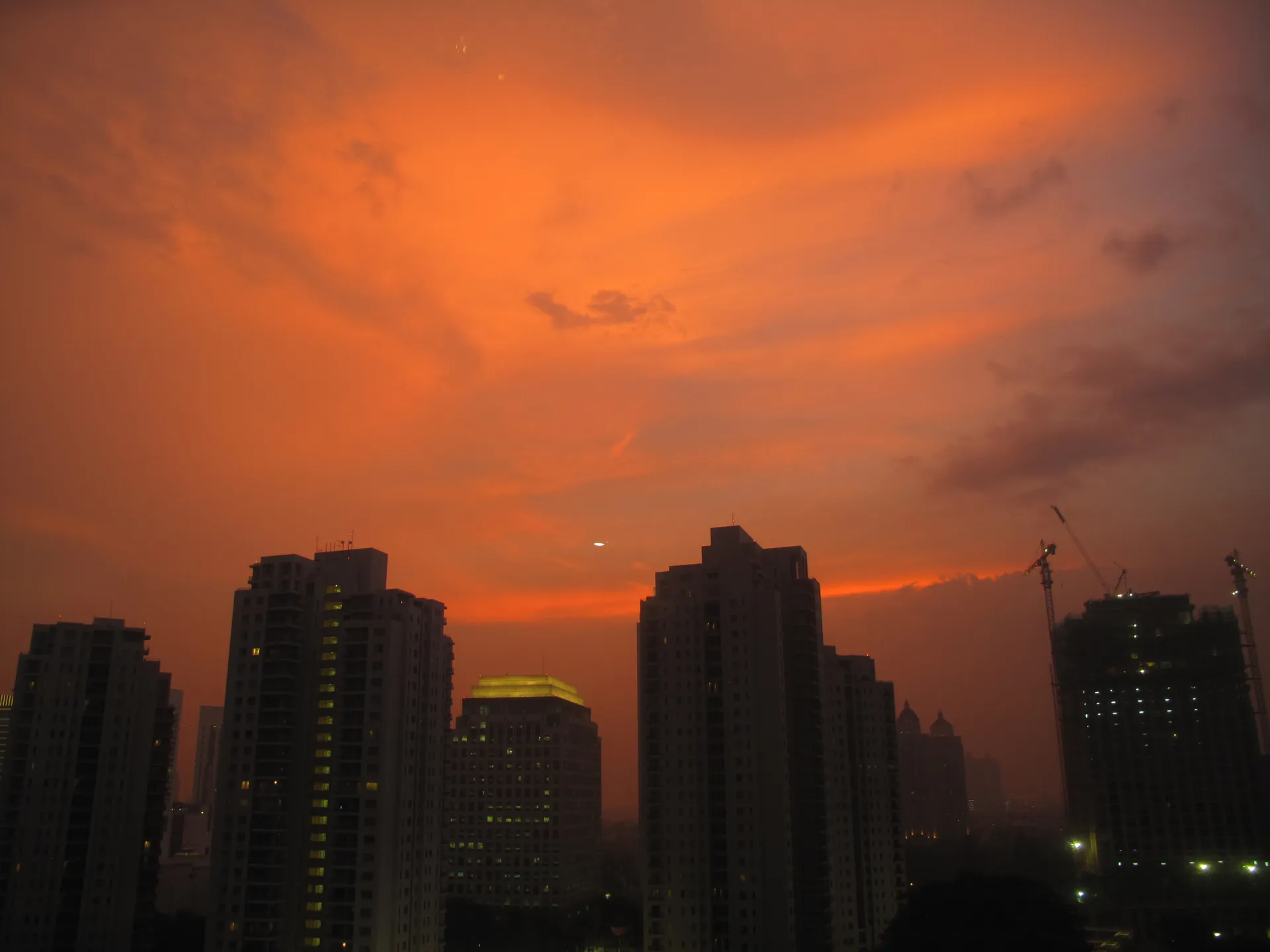
Jakarta is more expensive than Indonesia's nomad favourites like Bali or Yogyakarta, but still affordable by global standards. A comfortable single-person budget runs roughly $1,000 to $1,600 a month, set against a measured basket of $530 to $690; the gap is a serviced apartment and daily ride-hailing. A furnished apartment in a central business district such as Sudirman, Kuningan or the leafier Kemang costs about $400 to $800, with serviced options higher. Everyday life is cheap: a plate of nasi goreng from a warung costs a dollar or two, and Grab and Gojek rides across town are inexpensive. These are our editorial estimates in US dollars, and where you land in the range depends heavily on how central and modern your building is. Landlords here traditionally want a year paid in advance, and while the serviced and expat-facing buildings now take monthly, the discount for paying upfront is large enough that anyone staying a year should do the arithmetic. Service charges on a condo are billed separately from rent and cover the pool, the gym and the security, so a quoted figure is rarely the figure. Cooking at home barely saves money, because a plate from a street stall costs less than the ingredients, which is why almost nobody with a kitchen uses it.
- Furnished apartment, central: roughly $400 to $800 a month
- Warung meal (nasi goreng, mie): roughly $1.50 to $3
- Grab or Gojek across town: roughly $2 to $5
- Monthly coworking hot desk: roughly $80 to $150
Where to Work in Jakarta
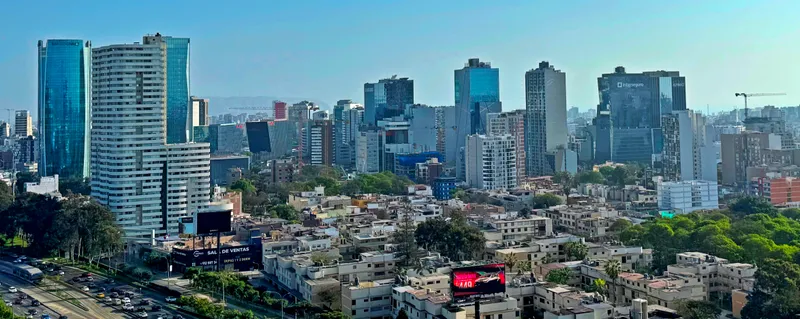
As Indonesia's economic engine, Jakarta has strong work infrastructure. Fibre internet in modern apartments and condos is fast and reliable, and the city has a deep bench of coworking spaces, from international chains to homegrown brands, concentrated in the central business districts and Kemang. Cafe culture is huge, with countless laptop-friendly specialty coffee shops. A Telkomsel, XL or Indosat SIM gives cheap, fast mobile data. The real productivity killer is traffic, not connectivity, so most nomads pick a home and coworking spot close together to avoid losing hours in gridlock, and lean on the growing MRT where possible. Air quality is a working condition here, not a weather footnote. Readings are routinely poor through the dry months and occasionally among the worst recorded anywhere, which shows up as headaches and tiredness long before anyone connects the two; a purifier in the room where you work is the single cheapest improvement available. On timing, the clock sits seven hours ahead of London, which drops the European working day into your evening and puts North America in the middle of your night, pushing most people toward Asian or Australian clients.
Getting Around Jakarta
Jakarta's traffic is legendary, and beating it is the key to daily life here. The clean, modern MRT runs a single north-south line through the central corridor with more under construction, and the TransJakarta bus rapid transit network and commuter rail fill gaps. For everything else, Grab and Gojek are indispensable, and their motorbike taxis weave through jams far faster than cars. The city is not walkable in the pedestrian sense, so plan around the transit spine. Soekarno-Hatta International Airport connects Jakarta to the region and the world, reached by an airport rail link or a long, traffic-dependent drive. Driving here follows two rules that visitors rarely hear about. Major roads run an odd-and-even number-plate restriction during peak hours on weekdays, which is why a ride-hailing car sometimes takes an odd route or costs more at certain times. And the toll roads are cashless, so a hire car needs the stored-value card. On a motorbike taxi, the driver carries a spare helmet and you are expected to wear it; the ride is genuinely the fastest way across town and genuinely the most exposed, which is a trade most residents make daily.
Sorting transport? Book an airport transfer, or compare car rental on Auto Europe and QEEQ.
Visas for Jakarta
Most visitors enter Indonesia on a visa on arrival, granting 30 days and extendable once for another 30, or apply for a B211 social visa for longer stays. Indonesia has also introduced a remote-worker permit, the E33G KITAS, aimed at digital nomads who can show sufficient foreign income, allowing a longer, renewable stay. Rules and the new visa's terms are evolving. Overstaying carries daily fines, and agents in Bali and Jakarta commonly handle extensions for a fee if you prefer not to queue. A consequence of the remote-work permit is worth understanding before applying for it. Holding a residence permit and spending more than half the year here generally makes you a tax resident, and the rules on what a foreign income owes have been argued over since the category was introduced, so take advice rather than assuming the permit is a tax holiday. The permit also does not allow you to earn from local clients or companies, which is a real limit if any part of your work is local. Extensions are tied to a sponsor and to an address.
Best Time to Visit Jakarta
Jakarta is hot and humid all year, sitting just south of the equator, so the calendar is defined by rain rather than temperature. The dry season from roughly May to September brings the most reliable weather and the fewest disruptions. The wet season from November to March delivers heavy tropical downpours and, in bad years, serious flooding that can snarl the city, so it pays to choose accommodation away from flood-prone low areas. Temperatures stay in the low thirties Celsius throughout, with high humidity, so light clothing and air conditioning are year-round essentials whenever you visit. The date that matters most here is not a weather event. In the week around the end of the fasting month, millions of residents leave for their home regions, and the city becomes quiet, empty and unrecognisably pleasant for a few days, with almost everything closed. It is the best time to be here and the worst time to need a service. Travel anywhere in the country during that window is close to impossible without booking months ahead. During the fasting month itself, many restaurants screen their windows until sunset and the roads jam badly just before it.
Pros and Cons of Jakarta
Jakarta is a base for work and access rather than postcard charm. That framing is fair and it undersells one thing. Nobody arrives here for the city and a surprising number stay for it, because thirty million people generate a density of restaurants, galleries, music, markets and conversation that no pretty small town can match, and almost none of it is arranged for visitors. If you like cities as cities, this is one of the great ones and it is absurdly cheap for what it offers. The honest costs are specific rather than vague. Traffic will take hours a week from you unless you organise your life within a small radius. The air is genuinely bad and it is a health cost rather than an inconvenience. There is no nature, no walking, and no escape without leaving. And flooding in the wet season is a real risk in the wrong neighbourhood, which makes where you live a more consequential decision here than almost anywhere.
- Pros: a genuine economic and startup hub with strong coworking and fast internet, excellent and cheap food, very affordable Grab and Gojek transport, a growing MRT, and unmatched connectivity to the rest of Indonesia and Asia.
- Cons: notorious traffic, serious air pollution, wet-season flooding, relentless heat and humidity, sprawl with little walkability, and a city that prioritises function over beauty. Most leisure-focused nomads still prefer Bali or Yogyakarta.
Who Jakarta Is For
Jakarta suits the nomad who needs a big-city base with real business infrastructure, whether that is meetings, clients, startup connections or a launchpad into the rest of Indonesia. Foodies who thrive on chaotic, diverse street eating and city people who like malls, nightlife and energy over nature will find plenty here. It rewards those who set up home and work close together and use Grab to skip the traffic. It is a poor fit for anyone chasing beaches, calm, clean air or a walkable town, who should look to Bali, Yogyakarta or a smaller Indonesian city instead. Base yourself centrally, near the MRT, and let the megacity's convenience outweigh its chaos. Test it with a fortnight before committing to a lease. The city either reads as exhilarating or as an assault, and almost nobody is neutral after two weeks. If it reads as exhilarating, take a place within walking distance of a station on the rail line and six months becomes easy. If it does not, the archipelago has a thousand alternatives and no time has been wasted. Anyone coming with children or a respiratory condition should weigh the air seriously rather than as a detail; it is the one factor that turns a good posting here into a bad one.