Cost of Living in Uluwatu
Where this figure comes from. The $1,800 monthly budget above is our own estimate rather than a measurement. How we source everything.
Uluwatu costs about $1,800 a month for a comfortable nomad life, noticeably above Ubud or Canggu's cheaper corners and well below Seminyak. Rent is the biggest piece: a private room or small villa with a pool runs $700 to $1,100 a month on a long-term deal, and cliff-view places cost far more. Food splits widely, with warung meals at $2 to $4 and a cafe breakfast or beach club lunch at $8 to $15, so budget about $450 on eating. A scooter rents for $60 to $80 a month plus fuel, and a coworking desk at The Space Bali or Uluwatu Hub costs roughly $120 to $180. Add laundry, gym and surf lessons if you want them.
Where to Work in Uluwatu
Uluwatu has a smaller coworking scene than Canggu, but it is growing. The Space Bali on Jl. Pantai Bingin in Pecatu is the best known, with air conditioning, strong wifi and a social crowd of surfers and founders. Uluwatu Hub on Jl. Raya Uluwatu is another dedicated option. Many people also work from cafes around Bingin, Padang Padang and Suluban, where wifi is decent but power cuts and weak signal happen after heavy rain. Mornings are best for deep work, as afternoons fill with surf sessions and traffic on the narrow lanes. Carry an Indonesian SIM with plenty of data, because Telkomsel and XL cover the peninsula better than most villa wifi.
Getting Around Uluwatu
Everything on the Bukit Peninsula is spread out, and a scooter is how almost everyone gets around, usually for $60 to $80 a month. Roads are narrow, often steep and busy with tour buses near Uluwatu Temple, and you need an international licence with a motorbike endorsement to be legally covered. Gojek and Grab operate here, but drivers sometimes refuse pickups at certain spots, and local taxi groups can block apps near the beach clubs. Ngurah Rai Airport is about 45 minutes away without traffic and often over an hour. Bluebird taxis and private drivers charge $20 to $30 for the airport run. Walking works only within a single village.
Visas for Uluwatu
Indonesia's 30 day visa on arrival covers citizens of many countries, the US, UK, Canada, Australia and most of the EU among them, and it can be extended once for another 30 days, according to Wikipedia's visa policy page (2025); the fee is about $28. Remote workers who want to stay a full year can apply for the E33G Remote Worker visa, which is for people employed outside Indonesia and requires proof of roughly $60,000 a year in income. From the Bukit, the Jimbaran immigration office is the closest place to extend, and most nomads in Uluwatu hand the paperwork to an agent rather than lose two mornings to it. Make sure your passport has six months left before you fly.
Best Time to Visit Uluwatu
The dry season from April to October is the best time for Uluwatu, with sunny days, steady offshore winds and the biggest swells from May to September. That is peak for surfers, so the beaches and lanes get busier, and accommodation rates go up in July and August. The wet season from November to March brings humid heat and heavy afternoon downpours, and some warungs close for a few weeks. The waves are smaller then, and the cliffs and beaches are quieter. Many nomads pick April, May and September to avoid peak crowds while still getting good weather and cheaper rooms.
Pros and Cons of Uluwatu
Uluwatu has world-class surf, clifftop sunsets and a calmer feel than Canggu or Seminyak, with beaches like Padang Padang, Bingin and Suluban tucked below the limestone. Food is good, and you can find a quiet villa with a pool and ocean view for reasonable money. The trade-offs are real. Distances are long, the roads are narrow and congested, and you need a scooter. Beaches are reached by steep stairs, and swimming is dangerous at some spots. Wifi can be uneven, rubbish builds up in the monsoon, and the coworking scene is smaller. Cliffside construction noise and tour buses are common near the temple.
Who Uluwatu Is For
Uluwatu suits surfers and anyone who wants ocean views and quieter evenings without losing Bali's food and wellness scene. If your day is early work, afternoon surf, and a sunset drink on the cliff, you will fit in well. It works for couples, small remote teams and experienced scooter riders. It is less suited to people who want to walk to cafes, shops and bars, as the peninsula is spread out. First-timers who need a big community and easy transport might prefer Canggu for the first month, then move south to Uluwatu once they know the island. Give yourself a week on the peninsula before signing a long lease, because where you sleep decides how much of your day goes to the road.
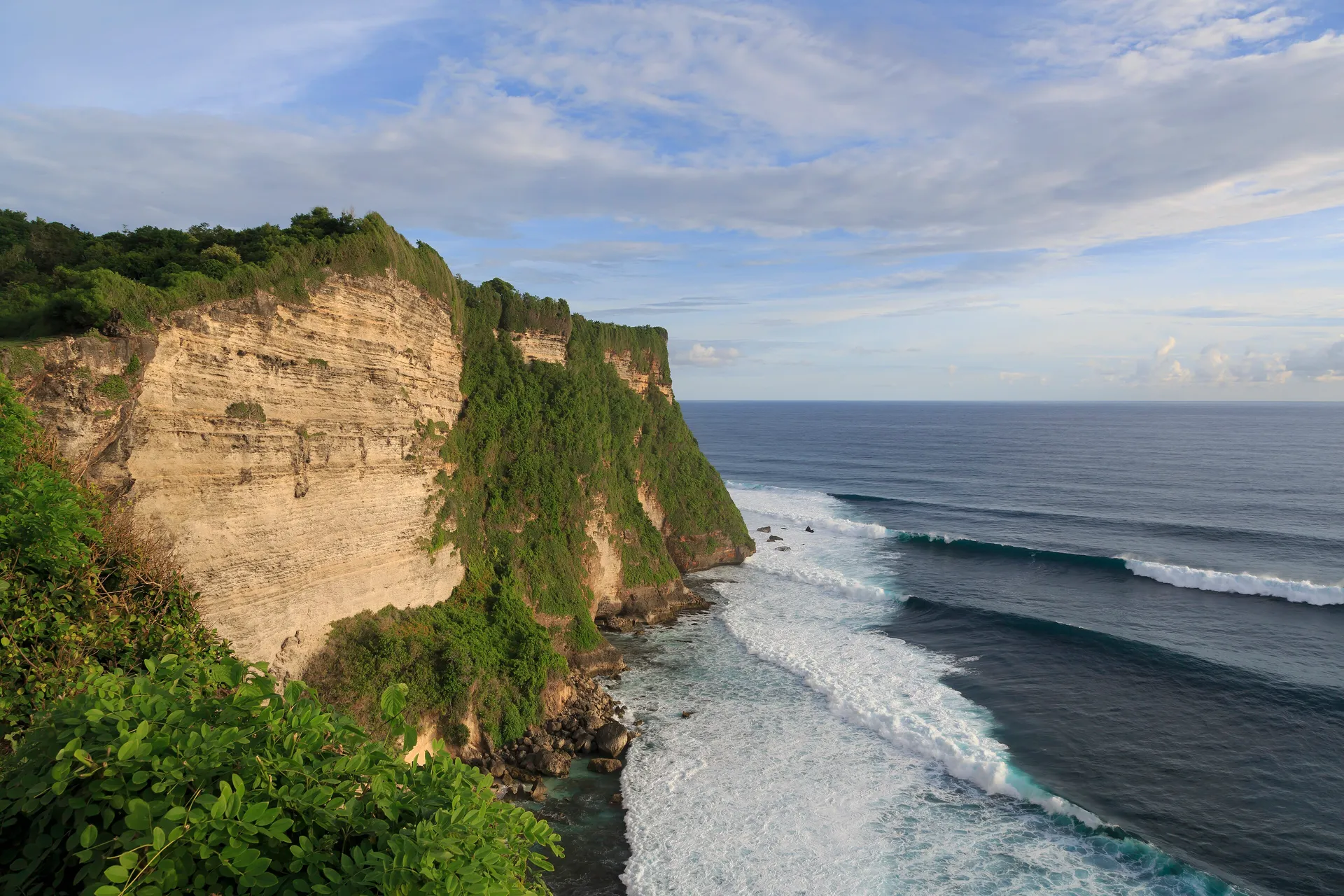 Photo: CEphoto, Uwe Aranas / Wikimedia Commons (CC BY-SA 3.0)