Cost of Living in Marvão
Where this figure comes from. No cost survey covers Marvão, so the $850 a month above is our own estimate rather than a measurement. On 416 of our 999 city guides the figure is built from a published Numbeo basket, a one-bedroom rent in the centre plus one person's monthly costs without rent, converted to USD; this city is not one of them. How we source everything.
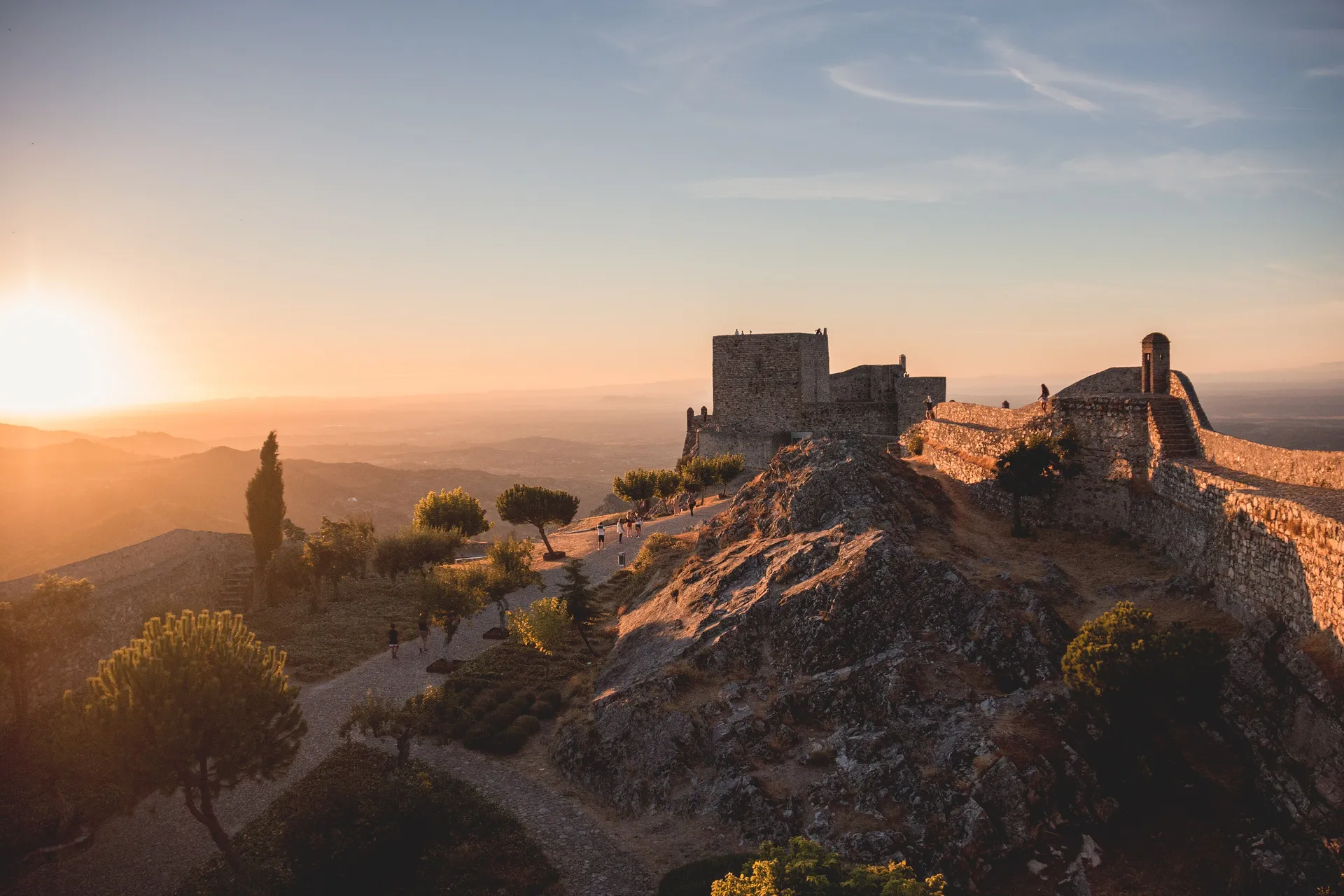
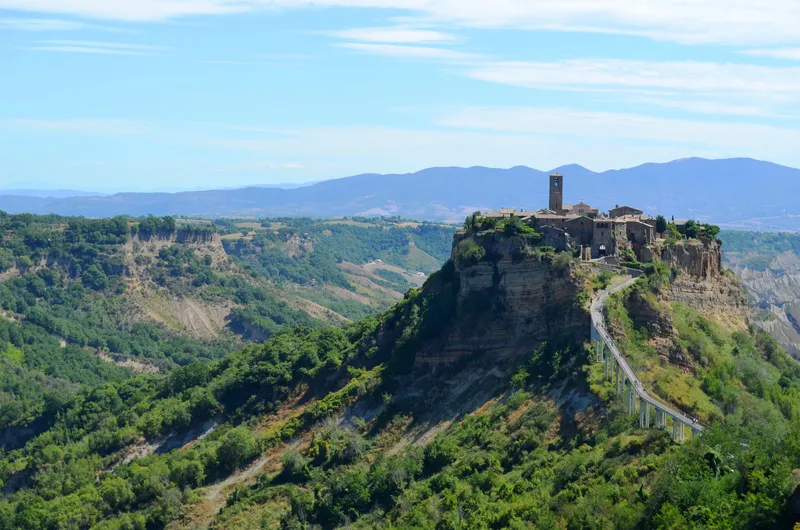
Marvão is a tiny walled village of a few hundred residents perched on a granite peak in the Serra de Sao Mamede, and prices reflect a quiet rural Alentejo economy rather than a nomad hotspot. A one-bedroom apartment or rented cottage inside or just below the walls runs roughly $405 to $635 a month, though long-term rentals are scarce simply because the housing stock is so small; most travelers end up in a guesthouse, rural tourism property (turismo rural), or a room in nearby Portalegre where supply is bigger. Groceries at the modest local minimarket cost slightly more than in a city, so many residents drive to Portalegre (about 20 minutes) for a proper supermarket run. A simple lunch at a village tasca costs around $12 to $16, and a coffee at one of the two or three cafes on the main square is under $2.50. Utilities for a small home run roughly $92 to $140 a month, more in winter when heating is essential at altitude. All prices are in US dollars and these figures are editorial estimates rather than official statistics, since Marvão is too small to have robust cost-of-living data of its own.
Where to Work in Marvão
Start from the gap: nobody in Marvão has built a coworking space or anything else for people who work remotely, so the infrastructure is whatever your rental provides. Wifi exists in guesthouses and the handful of cafes on the main square, and is generally adequate for email and video calls, but it is residential-grade rather than fiber-backed coworking bandwidth, and can be unreliable in bad weather given the exposed hilltop location. The closest realistic options for a proper desk and stronger connectivity are in Portalegre, a 20 to 25 minute drive down the mountain, which has cafes and a small business center, or a longer trip to Castelo Branco or Evora. Most remote workers who base themselves in Marvão do so for a slower work rhythm: a laptop on a terrace with panoramic Alentejo views, working from a rented cottage rather than a shared office. If steady high-bandwidth connectivity and a coworking community are non-negotiable, Marvão will disappoint; if you can work independently and treat the village as a scenic retreat rather than a nomad hub, it can work well for short stints.
Getting Around Marvão
A car is essential. Marvão sits at the top of a steep, winding mountain road, and public transport is very limited, generally a sparse regional bus service connecting to Portalegre a few times a day, which is not reliable enough to plan a working life around. From Lisbon, the drive is about two and a half hours via the A6 and A23 motorways; from Portalegre train station (the nearest rail link, on the line from Lisbon via Abrantes) it is a short taxi or car ride up the hill. Inside the walled village itself everything is walkable, in fact necessary, since the cobbled streets are narrow, steep, and largely closed to casual driving, with parking at a lot outside the main gate. Day trips to Castelo de Vide, the Roman ruins at Ammaia, or across the Spanish border to Valencia de Alcantara are easy by car and make good use of a rental. Anyone without a car should expect real isolation.
Sorting transport? Book an airport transfer, or compare car rental on Auto Europe and QEEQ.
Visas for Marvão
Portugal follows the same rules here as anywhere else in the country. Citizens of the US, UK, Canada, Australia, and other visa-exempt countries can stay up to 90 days within any 180-day period under the Schengen short-stay rule without a visa. For longer stays, Portugal's D7 visa (aimed at those with passive income) or the newer digital nomad visa (D8, for remote employees and freelancers meeting a minimum income threshold, roughly four times the Portuguese minimum wage) allow residence permits well beyond 90 days. Neither visa is handled locally: you apply at a Portuguese consulate abroad, then attend appointments with AIMA, the agency that replaced SEF in 2023, and with no immigration office in a village this size, every bureaucratic visit means a trip to Portalegre or further afield. EU/EEA/Swiss citizens can simply live and work here without a visa at all. Given how remote and small the village is, most nomads treat it as a short stay within a Schengen visit or a longer-term base only after residency is already sorted elsewhere in Portugal. Day trips to Valencia de Alcántara cross an internal Schengen border, so they pause nothing: the Entry/Exit System keeps counting on the Spanish side from wherever you first entered the zone.
Best Time to Visit Marvão
Late spring (May, June) and early autumn (September, October) are the sweet spots, with warm days, cooler evenings, and clear skies that make the most of Marvão's famous panoramic views (the novelist Jose Saramago once wrote that from Marvão you can see the whole world). Summer (July, August) brings hot, dry Alentejo heat, though the altitude tempers it somewhat compared to the plains below. Autumn is a particular highlight thanks to the chestnut festival (Festival do Castanho), typically held in November, celebrating the region's chestnut harvest with tastings, music, and market stalls in the village streets. Winters are genuinely cold and windy at this altitude, with the exposed hilltop position catching weather that rarely troubles lower-lying Alentejo towns, and short days combined with limited heating in older stone buildings can make a winter stay feel harsh. The surrounding Sao Mamede park carries a reputation for dark skies, and the village sits high enough and far enough from any town that stargazing is a real reason to stay the night rather than come up for the afternoon, which is what almost everybody does instead.
Pros and Cons of Marvão
The pros are substantial for the right traveler: staggering panoramic views over the Alentejo plains and into Spain, a genuinely medieval walled village with a well-preserved castle, dramatic natural surroundings within the Sao Mamede protected park, excellent stargazing, and a level of quiet and safety that is hard to find anywhere with more amenities. The cons are equally real and should not be glossed over. Nightlife is essentially nonexistent, with a couple of cafes and a bar or two that close early. The permanent community is tiny and skews older and local, so building a nomad social scene here is not realistic. There is no coworking space, grocery options are limited, and winters are cold, windy, and can feel isolating. A car is mandatory, the drive up is steep and can be intimidating in bad weather, and the nearest real services (supermarkets, hospitals, more restaurants) are a 20-plus minute drive in Portalegre. The decline is measurable: the municipality had 2,972 residents in 2020 and was losing roughly one a week, and that shrinking population is why the shops and services are a drive away rather than up here.
Who Marvão Is For
Marvão suits nomads who want a deliberate, quiet retreat rather than a social or professional hub: writers and deep-work types craving isolation and views, nature lovers who want hiking and dark-sky stargazing on their doorstep, photographers drawn to whitewashed medieval architecture, and couples or solo travelers looking for a short, restorative stay of a few days to a couple of weeks. It is a poor fit for anyone who needs coworking spaces, a nomad community, varied nightlife, or reliable high-speed connectivity for demanding work. Think of it as a scenic base to pair with time in a bigger Alentejo or Lisbon hub, not a place to build a long-term remote-work life around. Music is the one reason to plan around a date. Since 2014 the conductor Christoph Poppen has directed an international classical music festival here each July, so a stay timed for it buys evenings of concerts in a hilltop village this small.