Portugal's winters
Portugal's reputation is sunshine, and from May to September the reputation is earned. But it faces the open Atlantic, and from about November to March the weather comes straight in off the ocean, especially in the north. Houses here were not built for winter, with thin walls, little insulation and rarely any central heating, and more than one new arrival has spent January in a coat indoors. It is the single most useful thing to know before signing a lease, and it is the reason where you settle in Portugal matters more than the country's small size suggests.
The north
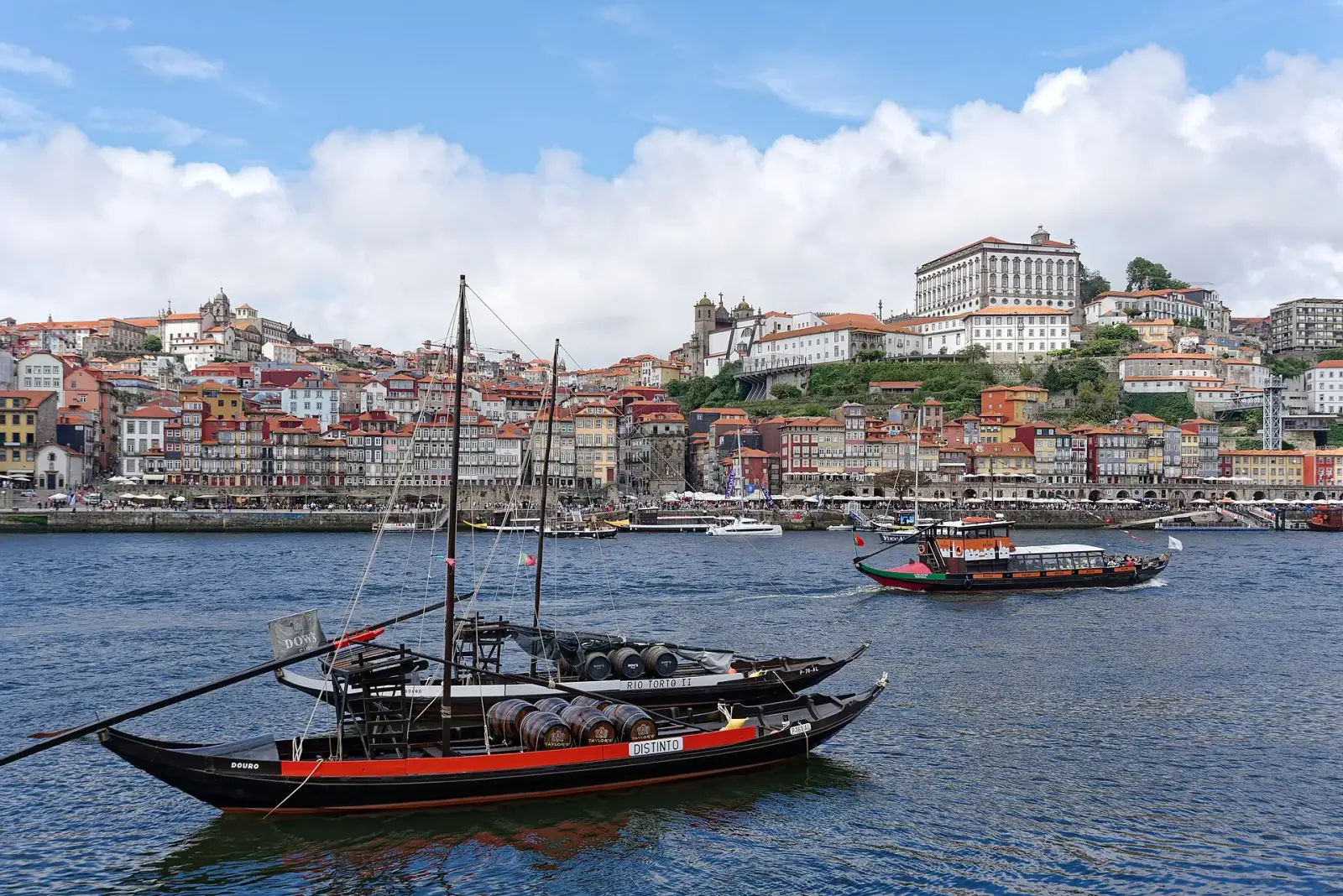
Porto has a real city's infrastructure at around $2,800 a month, and everything north and east of it is cheaper again. Braga is young and lively, Guimarães has a medieval centre, and Aveiro and Coimbra, the old university city, sit further south on the main railway line. The whole region is greener, wetter and less used to foreigners, so a little Portuguese goes a long way.
Lisbon and the coast around it
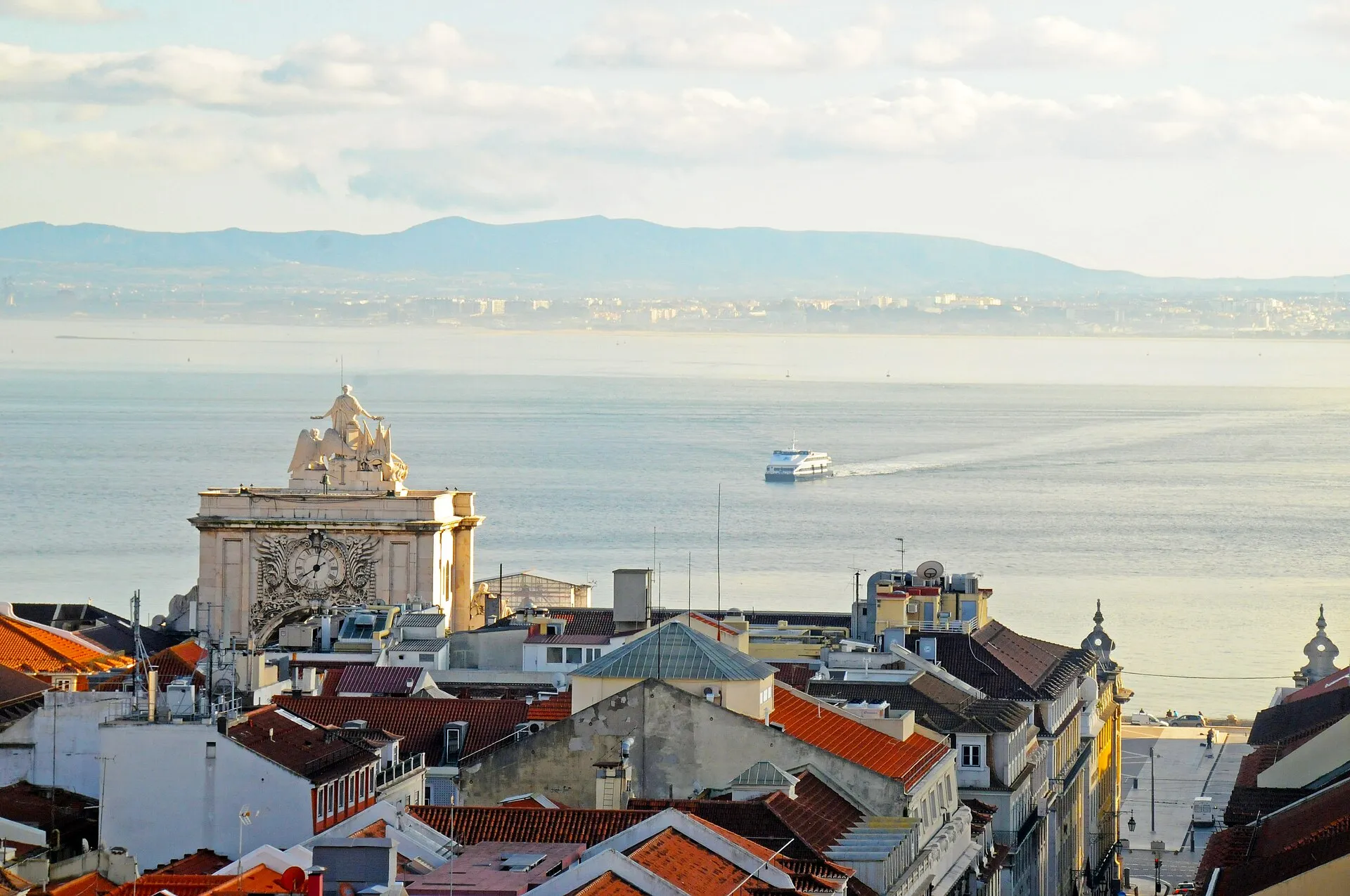
Lisbon, at around $3,500 a month, has most of the country's remote-work community and most of its housing pressure. Many people now look along the coast instead: Cascais for the family life and the train into town, Ericeira for the surf. Prices are not much kinder out there, but the pace is. South across the river, Setúbal is a working port with far lower costs, close to the beaches of Arrábida.
The Algarve and the Alentejo
The south is the driest and warmest part of the mainland. Faro has the airport and a year-round population, while Sagres at the windy south-west corner draws surfers. Many of the resort towns between them feel half-empty in winter, which is worth checking before renting. Inland, the Alentejo is a different country altogether, with cork oaks, hot summers, and quiet towns such as Évora, where almost nobody will speak to you about remote work at all.
The islands
Funchal on Madeira has the mildest winter in the country and a remote-work community that has grown fast since the pandemic, at around $2,400 a month. Ponta Delgada in the Azores is greener, wilder and much rainier. Both are Portuguese in every practical sense, so the same visas, banks and health system apply.
Visas and practical details
The D8 visa is the usual route for people earning abroad, and its income requirement is tied to the minimum wage, so it rises over time. We have written a step-by-step guide to the visa and a guide to tax and advisers. Budget for delays: appointments at the immigration agency have been a long-running source of frustration. Trains between the main cities are good, but a car helps a lot in the Alentejo and the Algarve.
By Yannick Schroth. Updated November 2026.