Cost of Living in Sagres
Where this figure comes from. The $1,700 monthly budget above is our own estimate rather than a measurement. How we source everything.
Sagres costs about $1,700 a month, which is high for Portugal because rentals in the village are scarce and summer prices jump. A one-bedroom apartment or small house runs about $850 monthly outside July and August, and double that in peak season. Groceries and eating out come to roughly $450, with a fish dinner at Retiro do Pescador around $20 and a coffee and pastel de nata under $3. You will probably want a car or scooter, which adds about $150 a month with fuel. Coworking is thin, so a desk at a coliving space or cafe runs roughly $100 monthly. Supermarkets such as Intermarche keep staples reasonable.
Where to Work in Sagres
Sagres is not a coworking town. The best-known base is the Outsite coliving house, which has a work area, and there are a few surf camps with desks, but most people work from their rental or from cafes. Laundry Lounge is the usual laptop-friendly stop, with wifi, coffee and a terrace. Home internet is solid by Portuguese standards, with fibre available in most of the village, though older houses on the outskirts rely on slower connections. Winter storms occasionally cut power. For video calls, pick an apartment with fibre confirmed in the listing, and keep a Vodafone or MEO data SIM for backup. Lagos has real coworking spaces if you need a change.
Getting Around Sagres
The village is small enough to walk, but the beaches, the fortress and Cabo de Sao Vicente are spread along cliffs and you will want a car, scooter or bicycle. The lighthouse at Cabo de Sao Vicente is about 6 km west of the village, and the EVA bus connects Sagres to Lagos in about an hour. Faro Airport is roughly 115 km east, around an hour and a half by car, and Lisbon is about four hours by Rede Expressos or FlixBus coach. Taxis are few and booking ahead is wise at night. Parking at the main beaches fills by midday in summer, so arrive early or cycle.
Visas for Sagres
Citizens of the US, UK, Canada and Australia can enter Portugal without a visa and stay up to 90 days in any 180 day period under the Schengen rules, according to the European Union's official visa policy. That clock covers all Schengen countries combined, so count time spent in Spain or France too. For longer stays, Portugal created the D8 digital nomad visa in 2022, which asks for remote income of about four times the national minimum wage and a rental contract, plus health insurance. The threshold follows the national minimum wage, so it rises a little each January. EU citizens can live and work freely without any permit.
Best Time to Visit Sagres
May to October brings sunshine, warm days and flat beaches, with July and August the peak and most expensive months. June and September are the sweet spot: warm weather, open restaurants, empty beaches and lower rent. The Atlantic stays cool even in summer, around 18 degrees Celsius, so a wetsuit helps. Wind blows year round, which is why the surf and kite schools thrive. From November to February it can be rainy and gusty, with many restaurants closed and storms that cut power, but swell is at its best for experienced surfers. Spring brings wildflowers on the cliffs, and the migratory birds pass through in September and October.
Pros and Cons of Sagres
Sagres offers dramatic cliffs, uncrowded beaches such as Tonel, Mareta and Martinhal, world-class surf and a village that still feels like a fishing port. Air is clean, the area is very safe, and the sunsets at Cabo de Sao Vicente are famous. The cons are the wind, which is constant and tiring, the cool sea, thin nightlife, limited coworking and a short supply of long-term rentals. Prices climb sharply in summer, and the village closes up in winter, with some shops shut from November. You also depend on a car for supermarkets and day trips. It is a place for people who value space and quiet.
Who Sagres Is For
Sagres suits surfers, kiters, hikers and writers who like wild coastline and can work from a rental. It works for couples and solo nomads who want quiet evenings, a few good restaurants and a short drive to Lagos for variety. The Fisherman's Trail walk and the cliff routes reward anyone who likes to be outdoors before and after work. It is not ideal for people who need a big social scene, daily coworking, nightlife or public transport. Choose it for a season rather than a year, especially if you can avoid peak months in July and August, when prices and crowds rise sharply.
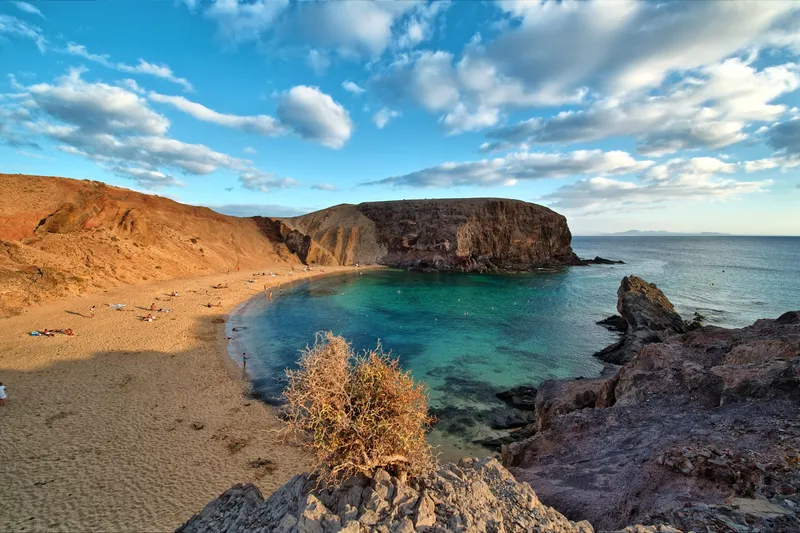
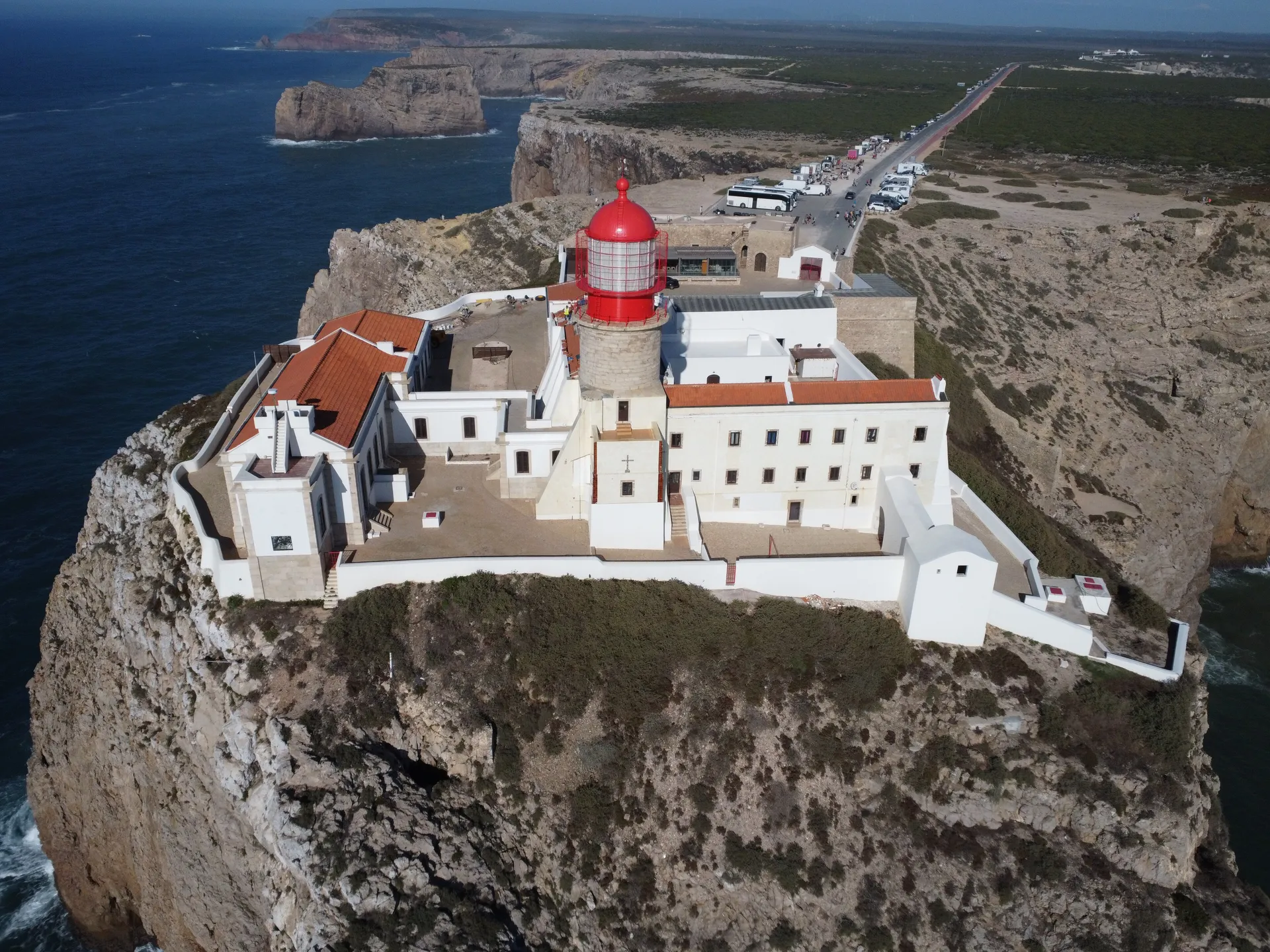 Photo: Bextrel / Wikimedia Commons (CC BY 4.0)