Cost of Living in Andorra la Vella
Where this figure comes from. No cost survey covers Andorra la Vella, so the $1,900 a month above is our own estimate rather than a measurement. On 416 of our 999 city guides the figure is built from a published Numbeo basket, a one-bedroom rent in the centre plus one person's monthly costs without rent, converted to USD; this city is not one of them. How we source everything.
Budget around $1,900 a month as a solo remote worker in Andorra la Vella, which is cheaper than the Alpine countries around it and expensive by Spanish standards. A one-bedroom flat runs roughly $700 to $1,200, and the rental market is genuinely tight because the country is small and much of the housing stock is holiday property. The tax position is the real financial story: Andorra charges a maximum of ten per cent income tax and four and a half per cent value added tax, the lowest in Europe, which is why duty-free shopping fills the main street. This is our own estimate rather than measured data. Social security contributions are the cost the headline tax rate hides. Residents pay into the Andorran system and it is not trivial, though it buys a health service that works well. Fuel, alcohol, tobacco and electronics are all noticeably cheaper than in France or Spain, which is what the coach parties on the main street have come for. Rents are usually asked with two months' deposit and a year's commitment, and finding anything at all outside the summer and ski seasons is the harder half of the problem.
Where to Work in Andorra la Vella
Andorra has invested seriously in connectivity: the state telecoms company has rolled fibre to essentially every household in the country, which makes it one of the best-connected places in Europe per head, and speeds are high. Mobile coverage is complete in the valleys and patchy on the high passes. Power is entirely reliable. There is a small coworking scene, and the government has actively courted digital businesses with a residence category aimed at them. Catalan is the official language, with Spanish and French widely spoken; English is limited outside tourism and the newer arrivals. The telecoms company being a state monopoly cuts both ways: the network is excellent and there is no competition on price, so bills run higher than the infrastructure would suggest elsewhere. The clock matches Madrid and Paris, which puts the whole European market inside ordinary office hours. Anyone pursuing the digital residence route should understand that it requires an actual Andorran company with real substance rather than a nameplate, and the authorities have tightened what counts. The domestic market is eighty thousand people, so a business here sells outward or not at all.
Getting Around Andorra la Vella
Andorra la Vella and the neighbouring town of Escaldes-Engordany run together along a narrow valley floor and the whole strip is walkable, which is fortunate because the traffic through it is heavy. Buses cover the parishes and the ski areas cheaply. The country has no airport and no railway, so everyone arrives by road: Barcelona is around three hours by bus, Toulouse two and a half, and the nearest stations are at L'Hospitalet and Lleida. That isolation is the single most important practical fact about living here. The road tunnels under the high passes mean the country stays open through winter, which was not true within living memory. The frontier is a customs post rather than an immigration one, and the queue leaving on a Sunday evening, when the day-trippers go home with their shopping, is the one to plan around. Winter tyres or chains are required on the mountain roads in the cold months and the requirement is enforced. Airport buses from Barcelona and Toulouse fill in the ski season and should be booked ahead. Within the country a car is optional, since the bus network is genuinely good for a place this size.
Sorting transport? Book an airport transfer, or compare car rental on Auto Europe and QEEQ.
Visas for Andorra la Vella
Andorra is not in the European Union and not in Schengen, though it has no border controls with France or Spain in practice and uses the euro. Visitors need whatever permission the Schengen states require to reach it, since there is no other way in. Andorra has a quota-limited remote work permit (residència per a nòmada digital). Residence comes in two forms: active residence requires running a company here, and passive residence requires a substantial investment in Andorran assets plus an interest-free deposit with the state, currently in the region of several hundred thousand dollars. Anyone counting Schengen days should note that Andorra is not in the area, though reaching it requires crossing France or Spain, which are. Both residence routes carry a presence requirement rather than being a paper arrangement. Passive residents must spend a minimum period in the country each year and it is checked, while active residents are expected to actually run the business. Private health insurance is a condition of the passive route, and the number of those permits is capped annually, so timing matters. Anyone treating Andorran residence purely as a tax address should take advice, since the substance requirements have tightened considerably.
Best Time to Visit Andorra la Vella
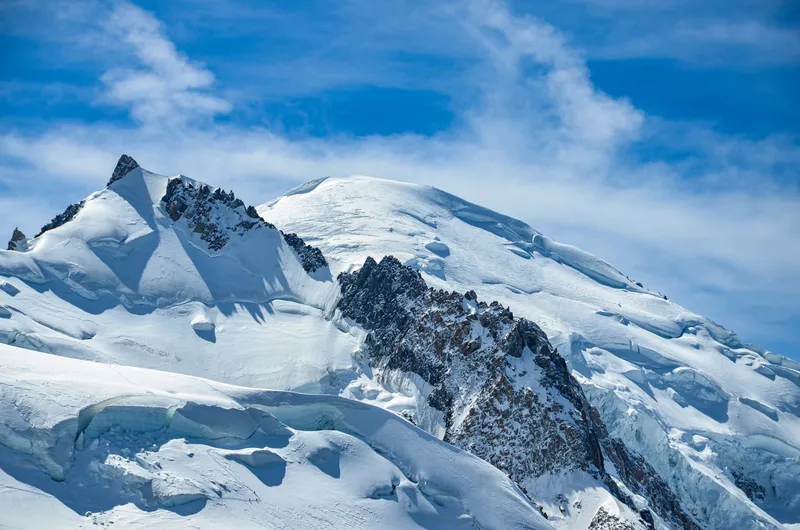
December to April is the ski season and the busiest half, with Grandvalira and Ordino-Arcalis together forming the largest ski area in the Pyrenees and the reason most visitors come at all. June to September is the walking season, with the high valleys open, wildflowers and daytime temperatures in the low twenties at this altitude. May and November are the shoulder months when much of the country simply closes. Andorra la Vella sits above a thousand metres, so winters are properly cold and snow in the town itself is normal. The shopping trade runs to a different calendar from the mountains and fills the capital at weekends and public holidays throughout the year, so a quiet Tuesday and a busy Saturday are barely the same town. Caldea, the thermal spa complex at Escaldes, is the standard wet-weather answer and opens all year. Meritxell day on the eighth of September is the national holiday and effectively closes the country, with a pilgrimage to the sanctuary in the Valira d'Orient valley that draws a large share of the population out of the towns for the day.
Pros and Cons of Andorra la Vella
Andorra offers the lowest tax rates in Europe, fibre to nearly every home, the largest ski area in the Pyrenees, and a genuinely safe and orderly country of eighty thousand people in a mountain valley. It uses the euro without being in the European Union. There is no airport, and no train reaches the country, the residence routes require serious money rather than a job, the capital is a traffic-heavy shopping strip rather than an attractive town, and Catalan or Spanish is close to necessary for daily life. The country also has no army, no airport and no railway, and manages the highest life expectancy in the world, which is an odd combination of facts. The valley traps its own air in winter, and traffic through a narrow corridor with mountains on both sides produces days when the pollution is worse than the setting implies. Hospital care is good for a country this size, though anything highly specialised goes to Toulouse or Barcelona under arrangement. Housing pressure is the other structural problem, since a large share of the stock is second homes and the people who staff the ski season struggle to find anywhere at all.
Who Andorra la Vella Is For
Serious skiing or walking, either on a Schengen allowance or through the residence rules and their cost, and a three-hour bus to the nearest airport. The tax position matters only if you actually establish residence. This is a town rather than a city, Spanish or Catalan is required for daily life, and the low tax rates that Andorra is known for apply to residents rather than to visitors, which is a distinction worth understanding before the accountant does. Cyclists have the clearest case of anybody. The climbs out of this valley are among the hardest in professional road racing, and the peloton comes here to train rather than only to compete. The school system here runs Andorran, French and Spanish streams in parallel, which turns choosing one into a genuine decision for an arriving family rather than a formality to be signed off. Anyone who wants the Pyrenees without the residence problem should look at the Spanish side around La Seu d'Urgell or the French side at Ax-les-Thermes, both within an hour, both far cheaper to live in, and both with the same mountains out of the window.
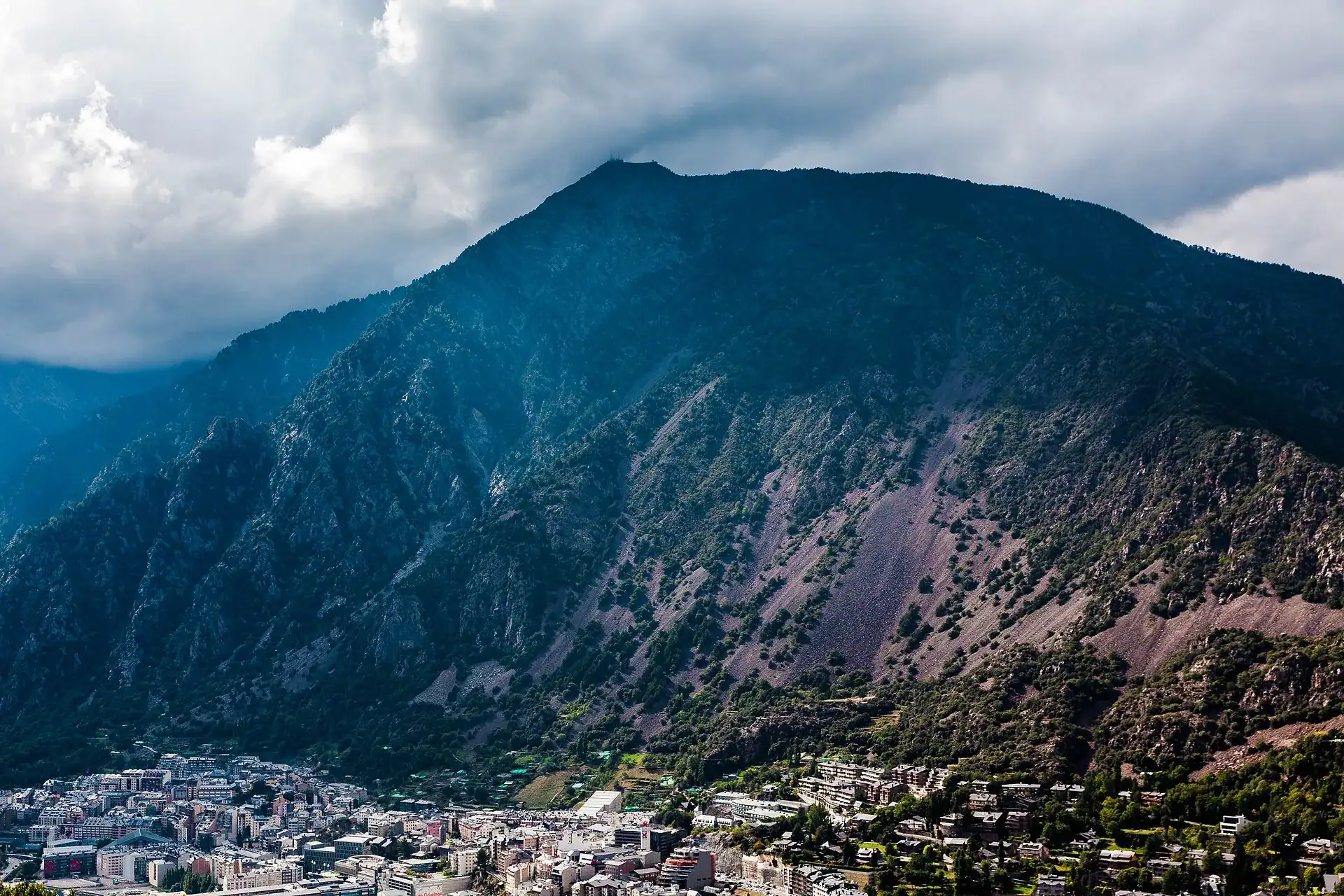 Photo: Antoine Beauvillain antoinebeauvillain / Wikimedia Commons (CC0)