Cost of Living in Siem Reap
Real market data
Source: Numbeo · August 2026
$660/moSolo nomad1-bed centre + living costs
$930/moCoupleshared 1-bed + costs
$570/moLean / localcheaper area + costs
- 1-bed rent, city centre$320
- 1-bed rent, outside centre$230
- Monthly costs excl. rent (1 person)$340
- Meal, inexpensive restaurant$3
- Monthly transit pass$15
- Buy price, per m² (centre)$2,490
Prices are from Numbeo (August 2026), already in US dollars. The monthly living-costs figure is our transparent one-person basket, groceries, a few meals out, utilities, phone, internet, transport and essentials, priced from those figures. Solo adds central rent; couple and lean are estimates from the same numbers. The guide below quotes its own monthly range, which is a different measurement rather than a competing one: this table prices a defined basket at the figures above, while that range is a judgement about how somebody actually lives here.
Siem Reap remains one of Southeast Asia's most affordable cities for remote workers. Prices are quoted in US dollars, which circulate freely alongside the Cambodian Riel (KHR). Here is a realistic monthly breakdown for a solo nomad:
- Rent (central, Wat Bo or Old Market area): $300-500 for a furnished one-bedroom apartment with AC
- Rent (quieter outskirts, e.g. Sala Kamroeuk): $150-280 for similar space
- Groceries (market shopping): $60-100 per month buying local produce
- Eating out (local Khmer meals): $2-5 per meal; Western dishes $7-15
- Coffee: $2-4 at specialty cafes
- Coworking hot-desk: $5-15 per day; $70-120 per month depending on space
- Local transport (tuk-tuk or Grab rides): $1-3 per trip in town
- SIM card with 100GB data: roughly $15/month
- Total comfortable range: $700-1,200 per month including rent, food, coworking, and occasional activities
Beer at a local bar can cost as little as $0.50-1. A one-hour massage runs $8-10. If you cook at home and skip coworking memberships, you can live comfortably on $600-800 per month.
Where to Work
Siem Reap has a small but functional remote work infrastructure. The city is not Chiang Mai, but it is more than workable for a stay of a few weeks to several months.
Coworking Spaces
- AngkorHUB offers fast internet, free coffee, a rooftop terrace, and 24/7 access on premium plans. Day passes start around $7; monthly memberships around $89.
- Format CoWork on Wat Bo Road is the most productivity-focused option, with symmetric fiber and a backup generator so power cuts do not stop your work. Reviews consistently rate it highly for speed and reliability.
- BioLAB Coffee and Office on Wat Bo Road blends specialty coffee with proper desk infrastructure including ergonomic seating, two balconies, and personal lockers. Rated 4.5 on Tripadvisor.
- Footprint Cafes Hub in Sala Kamroeuk runs a social enterprise cafe downstairs with a quieter coworking floor above, plus occasional community events and video recording equipment.
Cafe Work Culture
Many cafes welcome laptop workers. The Little Red Fox Espresso in Kandal Village has reliably fast WiFi and is a local favorite among nomads. Common Grounds Cafe and Temple Coffee n Bakery along the riverside are other solid options with consistent connectivity.
WiFi Reality Check
Dedicated coworking spaces perform well. Cafe WiFi is hit-or-miss: do not rely on it for video calls at peak tourist hours. Power outages happen, especially during rainy season, so coworking spaces with generators are worth the price if you have deadlines.
Getting Around
Siem Reap is a low-rise, spread-out city. The central area around Old Market, Pub Street, and Wat Bo is walkable if you do not mind heat. Beyond that, you will rely on ride-hailing or rentals.
- Grab app is the most reliable option for tuk-tuks and cars, with fixed upfront pricing. A cross-town tuk-tuk ride costs $2-4.
- Bicycles rent for $3-5 per day and are practical for the flat terrain in the dry season.
- Motorbike rentals are available for $5-10 per day for those comfortable riding in mixed traffic.
- Airport transfers: Siem Reap-Angkor International Airport (SAI), open since October 2023, is about 45 km east of the city center. Grab costs about $25-35 and official airport taxis $25-40; the airport shuttle bus costs about $8 one way.
There is no city bus network worth relying on. Tuk-tuks without the Grab app will quote tourist prices, so always negotiate or use the app.
Sorting transport? Book an airport transfer, or compare car rental on Auto Europe and QEEQ.
Visas and Staying Long-Term
Cambodia is visa-friendly for most Western passport holders. You have several options depending on how long you plan to stay.
- E-visa (Tourist/T visa): Available online before arrival for $35. Valid for 30 days, single entry. Extendable once for another 30 days through a local agent (around $50 in fees), giving you a maximum 60-day tourist stay.
- Visa on arrival: Available at land borders and airports for the same $30 fee and 30-day entry.
- E-class (Ordinary) visa: The long-term option for nomads. Apply on arrival or at a consulate, then extend through local visa agents for 1, 3, 6, or 12 months at a time. Many long-term residents extend repeatedly without leaving the country, though 6- and 12-month renewals that involve work need a valid work permit.
- Digital nomad visa: Cambodia does not offer a dedicated digital nomad visa as of 2025-2026.
- Entry requirement: All air arrivals must complete the Cambodia e-Arrival (CeA) card online within 7 days before arrival. It is free and replaces the paper arrival card.
Best Time to Visit
Siem Reap has two distinct seasons and one shoulder period worth knowing about.
- Dry season (November to early April): The most comfortable window for remote work. Temperatures stay around 24-32 degrees Celsius with low humidity and minimal rain. December through February is the coolest and most pleasant stretch. This is also peak tourist season, so accommodation prices are higher and popular spots are busier.
- Rainy season (May to October): Afternoon downpours are common, humidity is high, and temperatures peak around 35 degrees Celsius in April-May. Power outages increase during heavy storms. That said, rain is usually short-lived, mornings are often clear, and prices drop significantly.
- Sweet spot for nomads: October to November. Rain tapers off, the surrounding landscape stays lush, crowds have not yet returned, and prices are still low. This is arguably the best balance of livability and value.
Air quality worsens in the dry season from January through April, when modelled PM2.5 levels (CAMS) run about three times the rainy-season level. If you are sensitive to air pollution, check IQAir readings before committing to those months.
Pros and Cons
Pros
- Very low cost of living, with a comfortable lifestyle achievable on $800-1,000 per month
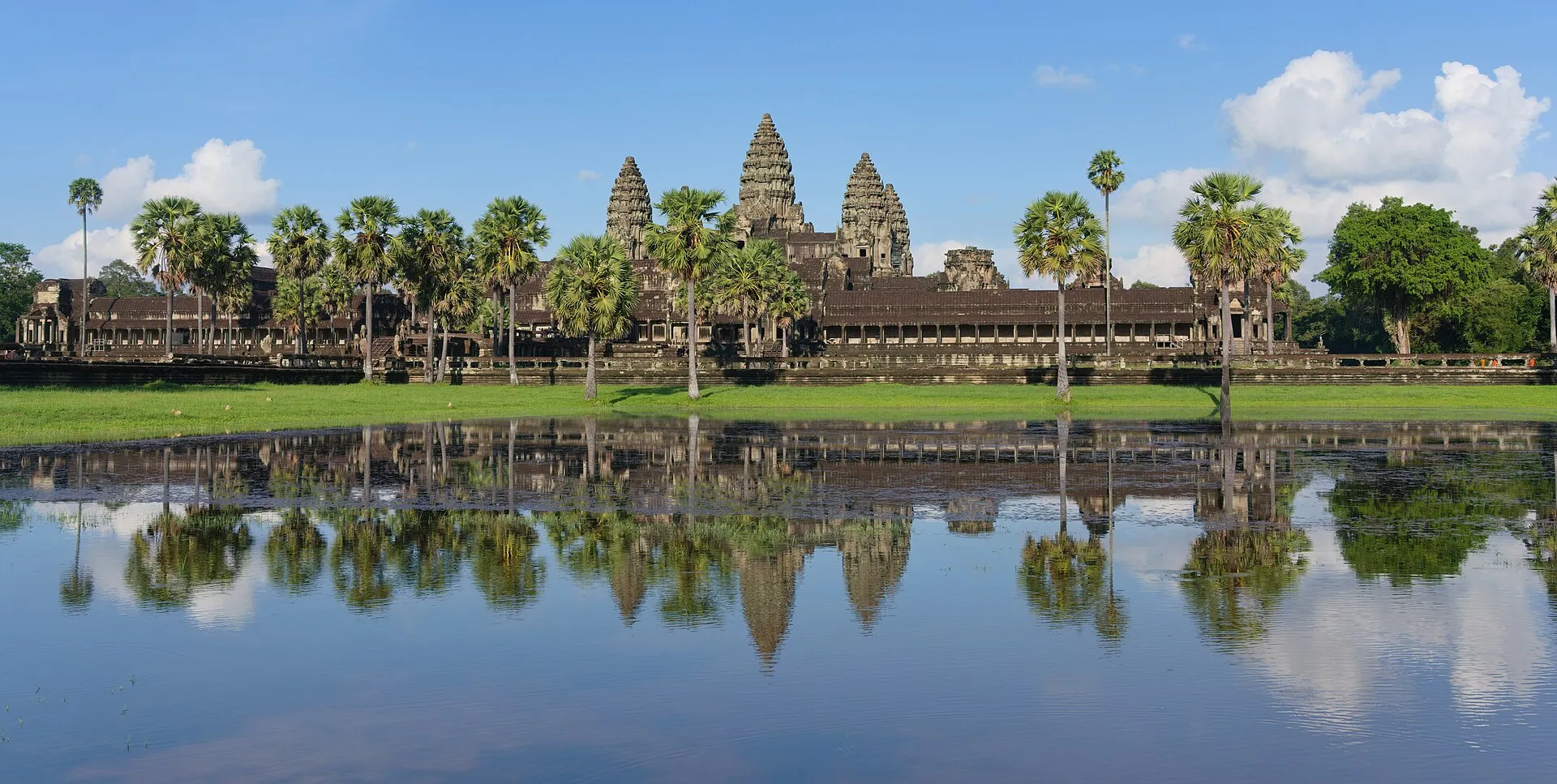
- Extraordinary cultural setting with Angkor Wat and dozens of temples within easy reach
- Growing nomad community with regular meetups and social enterprise cafes
- English is widely spoken in the tourist and expat zones
- Excellent and cheap food scene, from Khmer street stalls to acclaimed restaurants
- Easy, affordable visa options for long stays via the E-class extension route
- Generally safe for solo travelers with low rates of violent crime
Cons
- Tourism dependency means constant sales pressure in central areas; interactions can feel transactional
- Air quality is poor during the dry-season haze (January through April)
- Coworking infrastructure is small; options are limited compared to Phnom Penh or Chiang Mai
- Rainy season brings power cuts that can disrupt work
- The city is quiet and can feel repetitive after two to three months
- Heat and humidity from April through September are intense and draining
Who Siem Reap Is Best For
Siem Reap works well for nomads who genuinely want to engage with Cambodian culture, Khmer history, and a slower pace of life. If you are on a tight budget, this is one of the most affordable places in Asia to spend a month or two without sacrificing comfort. It suits people who value access to world-class archaeological sites and who are happy with a smaller, community-feel city over a buzzing metropolis.
Photographers, writers, and solo travelers who want immersive cultural experiences alongside their remote work will find it rewarding. The nomad community is small but welcoming, and the social enterprise scene means you can do meaningful co-working alongside locally-rooted people.
Skip Siem Reap if you need a large tech or startup community, high-speed infrastructure without workarounds, or a city with genuine nightlife beyond the Pub Street tourist circuit. If you bore quickly of temples and need constant urban stimulation, you may exhaust what Siem Reap offers within a few weeks.