Cost of Living in Ayutthaya
Where this figure comes from. No cost survey covers Ayutthaya, so the $700 a month above is our own estimate rather than a measurement. On 416 of our 999 city guides the figure is built from a published Numbeo basket, a one-bedroom rent in the centre plus one person's monthly costs without rent, converted to USD; this city is not one of them. How we source everything.
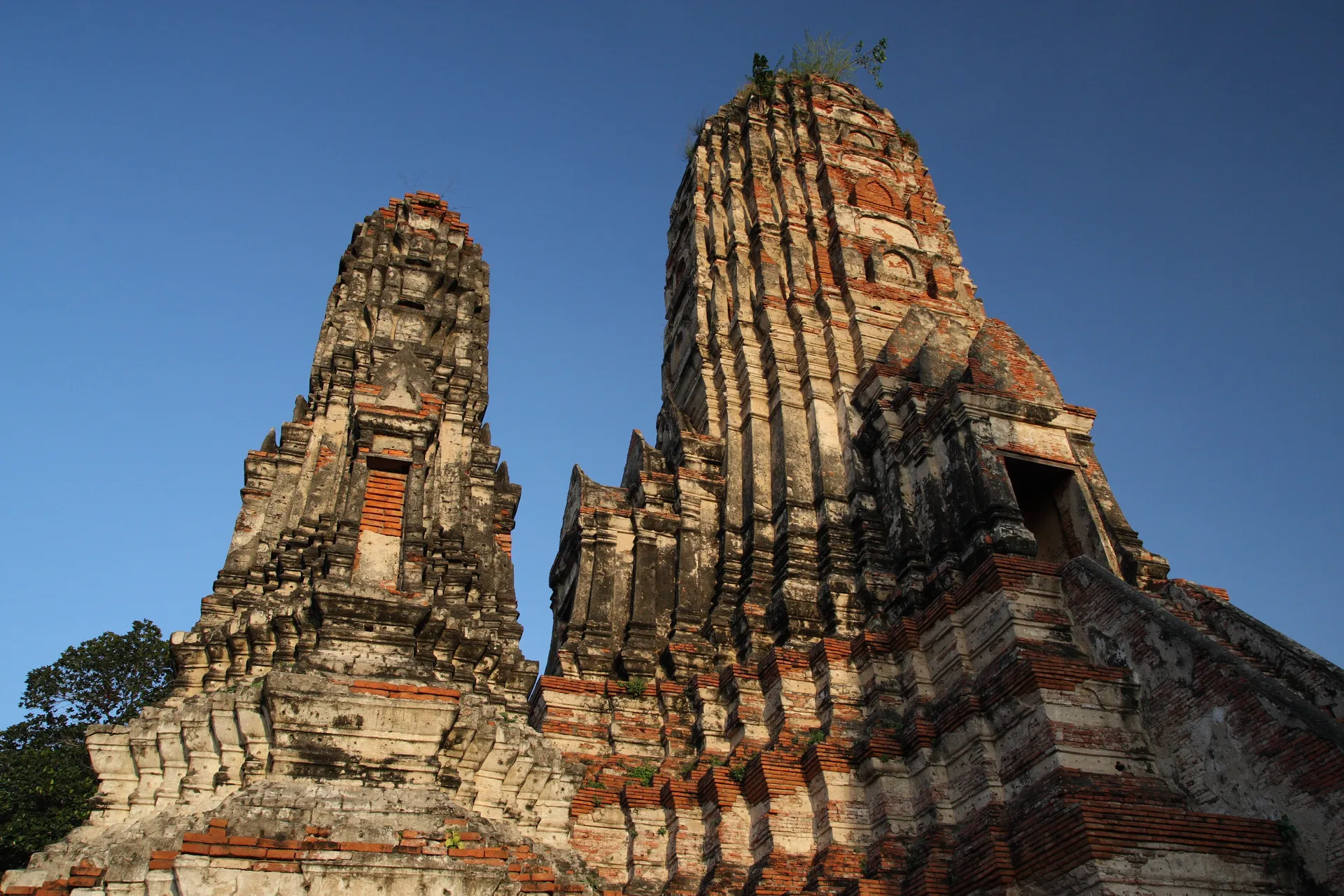
Ayutthaya is comfortably cheap, sitting well below Bangkok while keeping easy access to it. A modest monthly budget of roughly $600 to $1,000 covers a simple room, local food and a bicycle to explore. Rent goes furthest here: small apartments and guesthouse rooms are plentiful, and street stalls and riverside markets keep daily eating cheap. Costs climb if you want a smart condo, Western meals or frequent taxis and day trips. As a smaller historic town rather than a nomad hotspot, prices reflect a local economy, so bargaining and paying in cash for markets and transport is normal and helps stretch your money further. The province is not the town, and the difference sets the prices. It holds several of Thailand's largest industrial estates, assembling cars and electronics for export, and they employ tens of thousands of Thai and migrant workers who live in and around the city. That is why a place which looks like a ruins site has a functioning rental market, why a room stays cheap all year instead of swinging with the season, and why the supermarkets and clinics outrun what the population alone would justify. It also means real traffic at shift change, so check where a flat sits relative to the estates before signing.
- Simple room or studio: roughly $180 to $350 a month, editorial estimate
- Street and market meals: a few dollars each, cheapest near local markets
- Bicycle hire or a second-hand bike: a low daily or one-off cost
- Trains and minibuses to Bangkok: only a few dollars each way
Where to Work in Ayutthaya
Ayutthaya is not a coworking city, and nothing about a longer stay here works if you plan as though it were. There is no dense cluster of dedicated nomad spaces, so most remote workers set up in cafes, guesthouse common areas or their own room. A growing handful of air-conditioned coffee shops near Naresuan Road and around the town offer decent wifi, plug sockets and quiet mornings, which suits calls and focused work before the midday heat. Home internet in apartments and better guesthouses is workable for video meetings, though speeds vary by building. If you need a buzzing coworking scene, meeting rooms and events, Bangkok is barely an hour away and makes a good occasional base for heavier work days. A working day here is manageable only if the morning carries all of it. The ruins are unshaded and the afternoon turns punishing for six months of the year, so people start before dawn, finish outdoors by ten, and put everything after that under air conditioning. If a real office is necessary, the run to the capital is no longer a day lost, but the departure point has moved: fast services now leave from Krung Thep Aphiwat rather than the old central terminus, so confirm which station a ticket actually uses before planning.
Getting Around Ayutthaya
The classic way to see Ayutthaya is by bicycle, and it genuinely is the best. The Historical Park is flat, compact and scattered with ruins, so a bike lets you drift between temples at your own pace. Many guesthouses hire out bicycles cheaply, and motorbike or scooter rental is easy if you want more range. In town, tuk-tuks and songthaews cover longer hops, and a cross-river ferry links the island to the station side. Reaching Ayutthaya from Bangkok is simple and cheap: trains, minibuses and even river boats take about one to one and a half hours, making the city an easy short stay or day trip. The geography is the thing to grasp first. The old city sits on an island made where three rivers meet, which is why it was built here and why moving around is shaped by water. The railway station is on the far bank, so arriving by train means a small ferry or a long detour by road; the crossing costs almost nothing and stops in the evening. The bicycle everyone recommends is genuinely the right answer, but buy a light and stay off the ring road after dark, where the traffic is lorries serving the estates rather than anything to do with visitors.
Sorting transport? Book an airport transfer, or compare car rental on Auto Europe and QEEQ.
Visas for Ayutthaya
Ayutthaya follows Thailand's national rules, so your options are the same as anywhere in the country. Many nationalities receive visa-free entry or a visa on arrival for short visits, which is ample for a slow cultural stay or a stopover from Bangkok. For longer stints, Thailand offers various tourist visas and the Destination Thailand Visa, a long-stay route aimed at remote workers and those spending extended time in the country. Because Bangkok's international airport is close, immigration offices and visa runs are far more convenient here than in remote towns. The visa-free allowance is being cut. The cabinet approved reverting from sixty days to thirty in May 2026, the regulations were gazetted on 31 August, and the change takes effect on 15 September 2026, so anyone planning around the longer figure will be thirty days short. Entries made before that date keep the stay they were granted. For anything longer, the five-year route gives multiple entries at a hundred and eighty days apiece, tested on about $15,000 in savings that must now be seasoned for three months, and it has also required a criminal record certificate from your home country since the end of August 2026.
Best Time to Visit Ayutthaya
Ayutthaya has a hot tropical climate, and the ruins offer little shade, so timing matters. The most comfortable stretch is roughly November to February, when it is drier and a little cooler, ideal for long days cycling between temples. From around March to May the heat peaks and can be intense, making midday sightseeing tiring, so plan early mornings and late afternoons. The rainy season, roughly June to October, brings heavy but often short downpours, greener surroundings and fewer crowds, though the river can run high. Sunrise and sunset are lovely at the riverside temples year round, and the cooler months are the easiest for working and exploring alike. The flood risk deserves more than a line. In 2011 this province went under for weeks: the historic park was inundated, and the industrial estates around it flooded so badly that the world lost a large share of its hard drive production. Defences have been built since and the park has its own barriers, but the floodplain has not moved. October is the month to watch, the water comes down the Chao Phraya from the north rather than falling from the sky here, and a ground-floor room in a low-lying lane is a different proposition in November than in February.
Pros and Cons of Ayutthaya
Ayutthaya's appeal is clear if you value history, calm and low costs over buzz. It is one of Southeast Asia's great historic sites, cheap to live in and refreshingly unhurried, with Bangkok close enough for anything the town lacks. The trade-offs are just as clear: it is a smaller place without a real nomad community, coworking scene or nightlife, and the heat and limited amenities can wear on a long stay. Weigh it as a cultural, budget-friendly slow base rather than a lively hub. What the ruins do not convey is what kind of city this was. This was a trading capital with foreign quarters along the river, Portuguese, Dutch, Japanese and Chinese, and in the 1680s the king's chief minister was a Greek adventurer who had arrived as a ship's boy. Embassies went between here and Versailles. Some estimates put the population near a million around 1700, which would have made it among the largest cities on earth. Then a Burmese army took it in 1767 and burned it, the court moved downriver, and nobody rebuilt. That is the gap a visitor is standing in, and it is a stranger thing than a field of temples. The trade for a resident is that the town which grew back is ordinary, and the interest is almost entirely historical.
- Pros: extraordinary UNESCO ruins on your doorstep; very low cost of living; relaxed, walkable and cycle-friendly; barely an hour from Bangkok; workable internet in cafes and better rooms
- Cons: tiny nomad community and no coworking cluster; quiet nightlife; intense heat, especially March to May; fewer Western amenities than big cities; better for short or slow stays than long high-intensity work
Who Ayutthaya Is For
Ayutthaya suits the culturally curious slow traveller far more than the party-seeking or coworking-hungry nomad. If you love history, want to wake up beside ancient temples, and enjoy cheap markets, quiet riverside evenings and days spent cycling among ruins, it is a rewarding base. It works especially well for writers, remote workers with light schedules, and anyone wanting an affordable, peaceful spot within easy reach of Bangkok. It is less suited to those who need a big social scene, nightlife, or a busy coworking community. Many treat it as a short stay or a calm counterpoint to the capital, dipping into Bangkok whenever they want more energy. Three weeks is honest and three months is possible if the ruins are the point rather than the backdrop. What extends a stay is treating the river as the reason to be here: the boat circuit around the island at dusk, the riverside temples lit after dark, and the fact that almost nobody who comes for the day sees either. Base yourself on the island rather than the station side, keep a bicycle and a headlamp, and go into the capital often enough that you are choosing this town rather than defaulting to it.