Cost of Living in Pattaya
Real market data
Source: Numbeo · August 2026
$920/moSolo nomad1-bed centre + living costs
$1,230/moCoupleshared 1-bed + costs
$740/moLean / localcheaper area + costs
- 1-bed rent, city centre$540฿17,930
- 1-bed rent, outside centre$360฿11,946
- Monthly costs excl. rent (1 person)$380฿12,830
- Meal, inexpensive restaurant$3฿100
- Monthly transit pass$20฿660
- Buy price, per m² (centre)$2,540฿84,833
Prices are from Numbeo (August 2026), converted to USD at $1 = ฿33.45 (01 Aug 2026). The monthly living-costs figure is our transparent one-person basket, groceries, a few meals out, utilities, phone, internet, transport and essentials, priced from those figures. Solo adds central rent; couple and lean are estimates from the same numbers. The guide below quotes its own monthly range, which is a different measurement rather than a competing one: this table prices a defined basket at the figures above, while that range is a judgement about how somebody actually lives here.
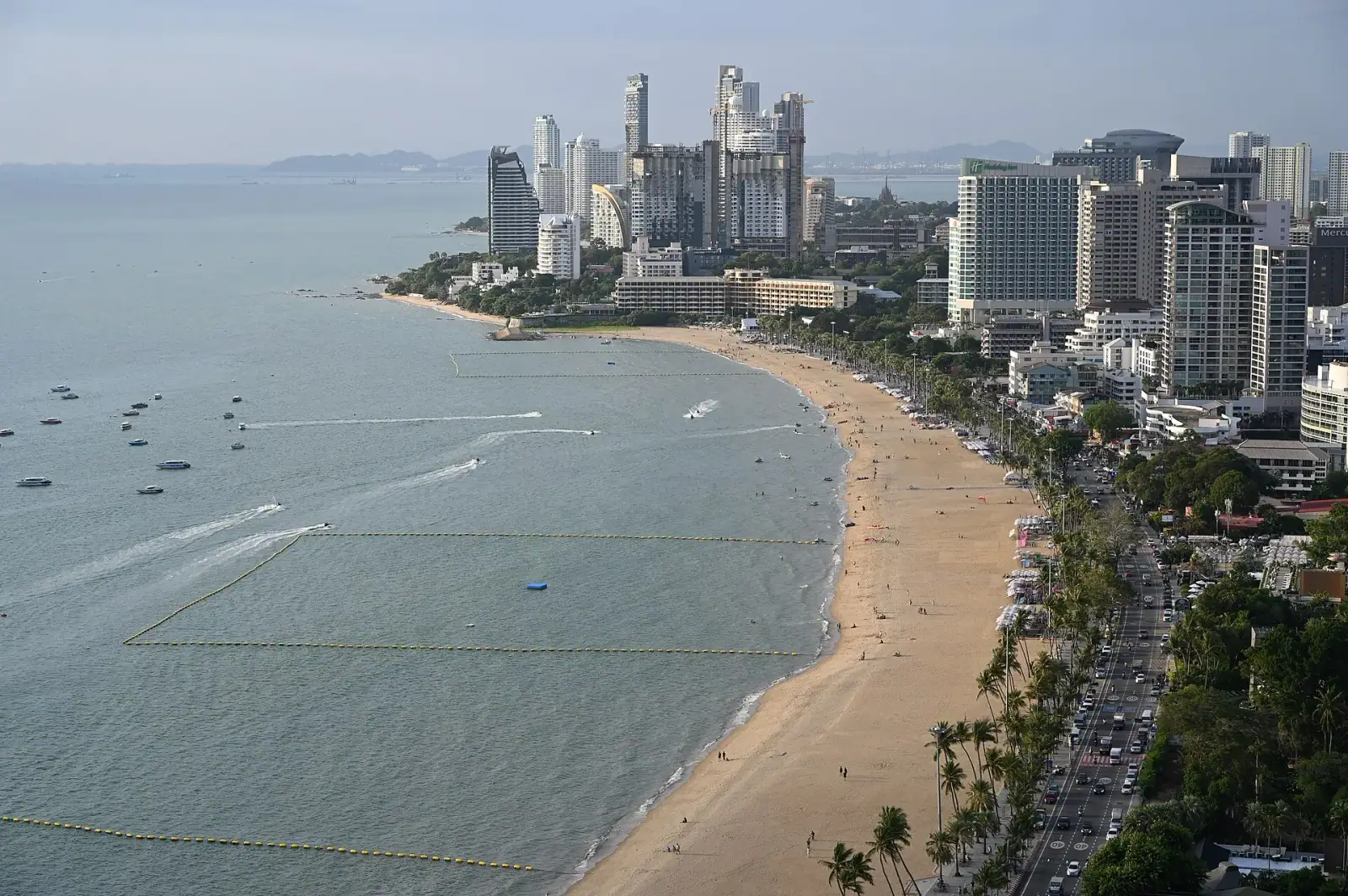
Pattaya is one of Southeast Asia's more affordable beach cities for remote workers. Your monthly budget depends heavily on where you stay and how you eat.
- Rent (central Pattaya or Pratumnak): $300-540 for a modern one-bedroom with AC
- Rent (Jomtien or further out): $210-360 for a decent studio or one-bedroom
- Groceries: $90-150 per month cooking mostly local produce
- Eating out: Street food and local Thai meals run $2-4.50 per dish; Western food typically $6-12
- Coworking hot-desk: $90-150 per month; day passes around $7.50-15
- Local transport: $60-120 per month relying on baht buses and occasional Bolt rides
- Total realistic range: $895-1,490 per month for a comfortable nomad lifestyle with coworking included
Budget-conscious nomads who cook often and stick to local food can get by on $600-835. Internet via home fiber (True, AIS, or 3BB) runs $18-24 per month.
Where to Work
Pattaya has more dedicated coworking infrastructure than you might expect for a beach resort city, and the options have improved significantly in recent years.
Coworking Spaces
Grind Time Coworking (Pratumnak Soi 4) is the most popular spot among long-term nomads, with multiple work zones, a pool, a small gym, meeting rooms, and a social atmosphere. Monthly hot-desks start at $90. Let's Work near Jomtien offers ergonomic chairs, external monitors, and conference rooms for around $120 per month. The Hub at Avani Pattaya Resort in central Pattaya is a polished hotel-based option ideal for shorter stays, with a $18 day pass. rPod Coworking in North Pattaya is known for a very quiet environment and fast, reliable internet, rated near perfect by regular users.
Cafe Work Culture
Laptop-friendly cafes are common throughout Pattaya, Pratumnak Hill, and Jomtien. Most have free WiFi and power outlets, though speeds vary widely. During peak hours at popular beach cafes, WiFi can slow to frustrating levels. Dedicated coworking spaces offer more reliability and a better ergonomic setup for full workdays.
WiFi Reality
Mobile data via AIS or TrueMove H 4G is excellent and affordable as a backup. Condos and coworking spaces typically run on fiber optic connections. Occasional outages during heavy storms are the main risk; keep a mobile hotspot plan active.
Getting Around
Pattaya is not particularly walkable. The city is spread out and the heat makes long walks unpleasant for most of the year. That said, getting around is cheap and straightforward once you understand the baht bus system.
Baht buses (songthaews) are the main form of local transport: pickup trucks with bench seats that circulate along fixed routes. The main loop covers Beach Road southbound and Second Road northbound. Fares are $0.50 within central Pattaya and $0.50 to Jomtien or Naklua. Hail them like a taxi and signal when you want to stop.
Bolt and Grab app-based rides are reliable, metered, and often preferable for longer trips, late nights, or when carrying luggage. A typical cross-city ride runs $2.50-4.50.
Scooter rental is common among longer-term residents and costs around $90-150 per month. If you're not experienced with Thai traffic, it carries real risk.
Airport connections: Pattaya is approximately 120 km from Bangkok's Suvarnabhumi Airport (BKK). The Bell Travel Service bus runs directly between the airport and Pattaya for around $5.50-6 and takes 2-2.5 hours. A private taxi or transfer costs from $36-45 and takes 1.5-2 hours depending on traffic. U-Tapao Airport (UTP) near Rayong is about 40 km south of Pattaya and served by some budget carriers.
Sorting transport? Book an airport transfer, or compare car rental on Auto Europe and QEEQ.
Visas and Staying Long-Term
Thailand's visa situation has been in flux. From 15 September 2026, most Western passport holders (US, UK, EU, Australian, Canadian) enter visa-free for 30 days, halved from the 60 that ran from July 2024.
You can extend a visa exemption entry once at a local immigration office for 30 days ($57). Pattaya's immigration office is in Jomtien. A Tourist Visa obtained at a Thai consulate abroad gives you 60 days, extendable by 30 days at immigration.
Thailand's official remote-work visa is the five-year Destination Thailand Visa (DTV), applied for at a Thai embassy before arrival. The LTR (Long-Term Resident) visa exists for remote workers but requires proof of income of at least $80,000 per year. The Thailand Elite / Privilege Card program offers 5-20 year multiple-entry stays but starts at $17,940. For most nomads, cycling between tourist entries or combining with neighboring country border runs remains the practical approach.
Best Time to Visit
Pattaya has a tropical climate that is warm year-round, with three rough seasons:
- Cool and dry (November-February): The best window for remote work. Temperatures average 28-31°C, humidity is lower, and rain is rare. December and January are the most comfortable months. This is also peak tourist season, so accommodation prices are higher.
- Hot season (March-May): Temperatures climb to 34-36°C with high humidity. Manageable indoors with AC, but stepping outside for lunch feels punishing.
- Rainy season (June-October): Daily afternoon downpours are typical. Rain rarely lasts all day, and you can still get outdoor time. Prices drop significantly and the city is quieter. The downside is occasional power disruptions during storms and higher humidity throughout the day.
For a remote work stay, November through February offers the clearest combination of good weather, reliable infrastructure, and a buzz that does not overwhelm productivity. If budget is your priority, the shoulder months of May and October can work well with fewer tourists and lower rents.
Pros and Cons
Pros
- Very affordable cost of living compared to most Southeast Asian digital nomad hubs
- Beach lifestyle with easy access to the sea from most areas
- Solid coworking infrastructure for a beach city
- Good international food scene with strong Thai street food options
- Fast fiber internet widely available in condos and coworking spaces
- Excellent hospital options (Bangkok Pattaya Hospital is internationally accredited)
- Well-connected to Bangkok and the region via bus, minivan, and nearby U-Tapao Airport
Cons
- The city's identity is heavily shaped by its nightlife and sex tourism industry, which many nomads find uncomfortable as a long-term backdrop
- Not walkable; you depend on transport for most errands
- Visa rules are in flux and enforcement of working-while-on-tourist-status is a real legal gray area
- Air quality can be poor in hot season from traffic and burning
- The nomad community is smaller and less established than in Chiang Mai or Bangkok
- Walking Street and central beach areas can feel chaotic and tourist-trap heavy
Who Pattaya Is Best For
Pattaya works well for nomads who genuinely want beach access built into their daily life without paying Bali or Koh Samui prices. It suits people who can separate work hours from the surrounding entertainment scene and appreciate the convenience of cheap food, reliable transport, and good medical care nearby.
It is a strong fit if you prefer a place with a functioning expat infrastructure, including English-language services, international grocery stores, and a well-worn path for long-term stays. Retirees and longer-term expats have established real communities in Pratumnak Hill and Jomtien, which gives those areas a more grounded feel than the central beachfront.
You should probably skip Pattaya if you want a tight, active nomad community and regular co-working meetups (Chiang Mai is far better for that), if you are uncomfortable with a pervasive party culture dominating public spaces, or if you need pristine beaches with clear water for your daily swim. The sea at central Pattaya is not clean enough to swim in comfortably. Jomtien is marginally better, but nearby Koh Larn island is where you go for proper beach days.