 Bangkok
Lay the two transit maps side by side and most of the comparison is done. Bangkok's shows about 270 kilometres of elevated and underground rail, added to steadily since the first Skytrain ran in 1999. Phuket's is blank. The island has no railway, and the nearest station is about 230 kilometres away on the mainland. You came to compare a beach with a skyline, but what you will live with every day is how you get to the dentist.
A dentist on a Tuesday
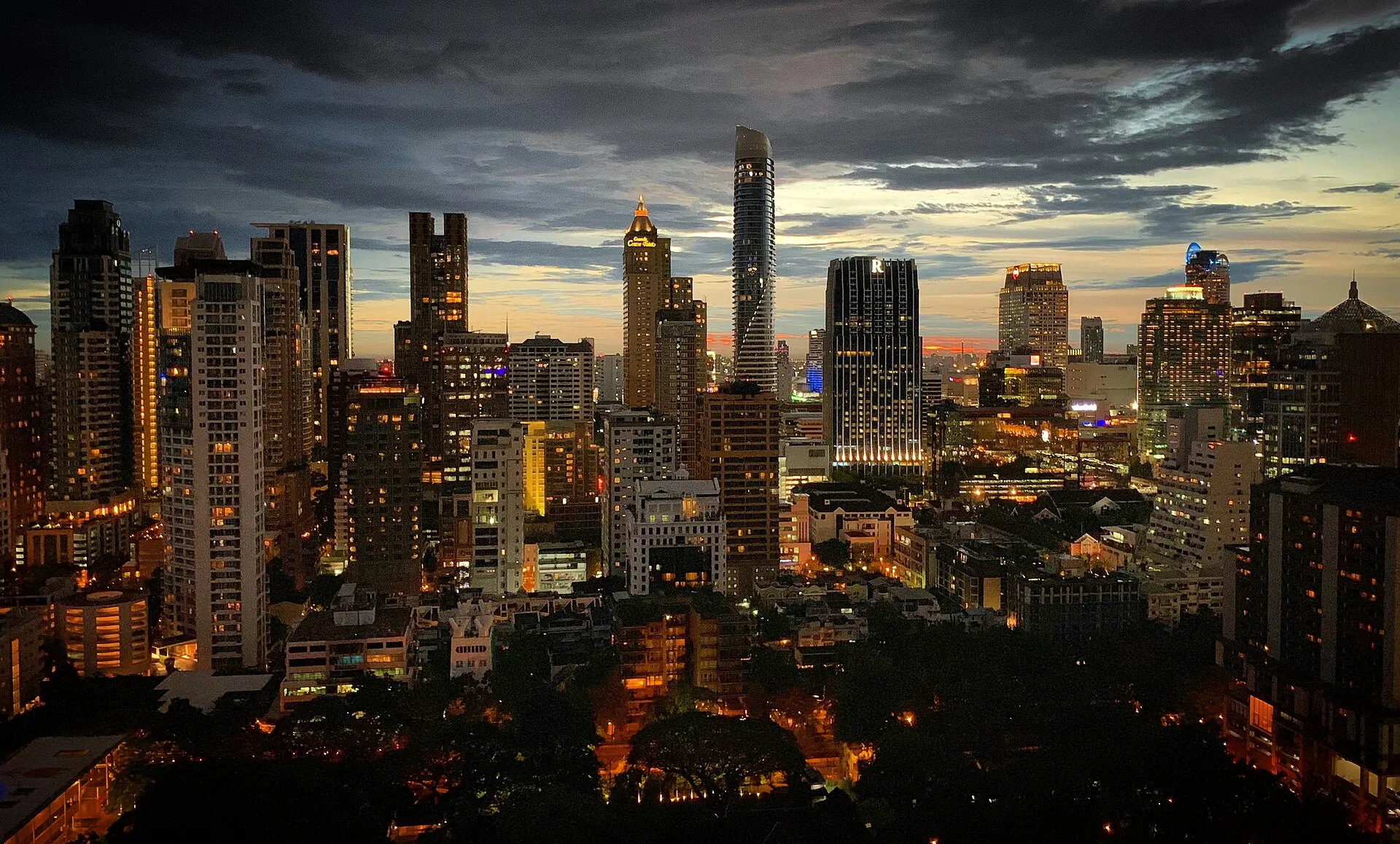
Say you live in Ari, in Bangkok, and the appointment is in Silom. You walk to the Skytrain, change once at Siam, and pay between $0.50 and $2. Going the other way across town, you could board a boat on the Saen Saep canal, as about 60,000 people do each day, and pay a fare of well under a dollar, in cash, on board. Grab covers the gaps at $2 to $3.50 a ride. You will never need to own anything with an engine. Our figure for a month in the capital is $2,200.
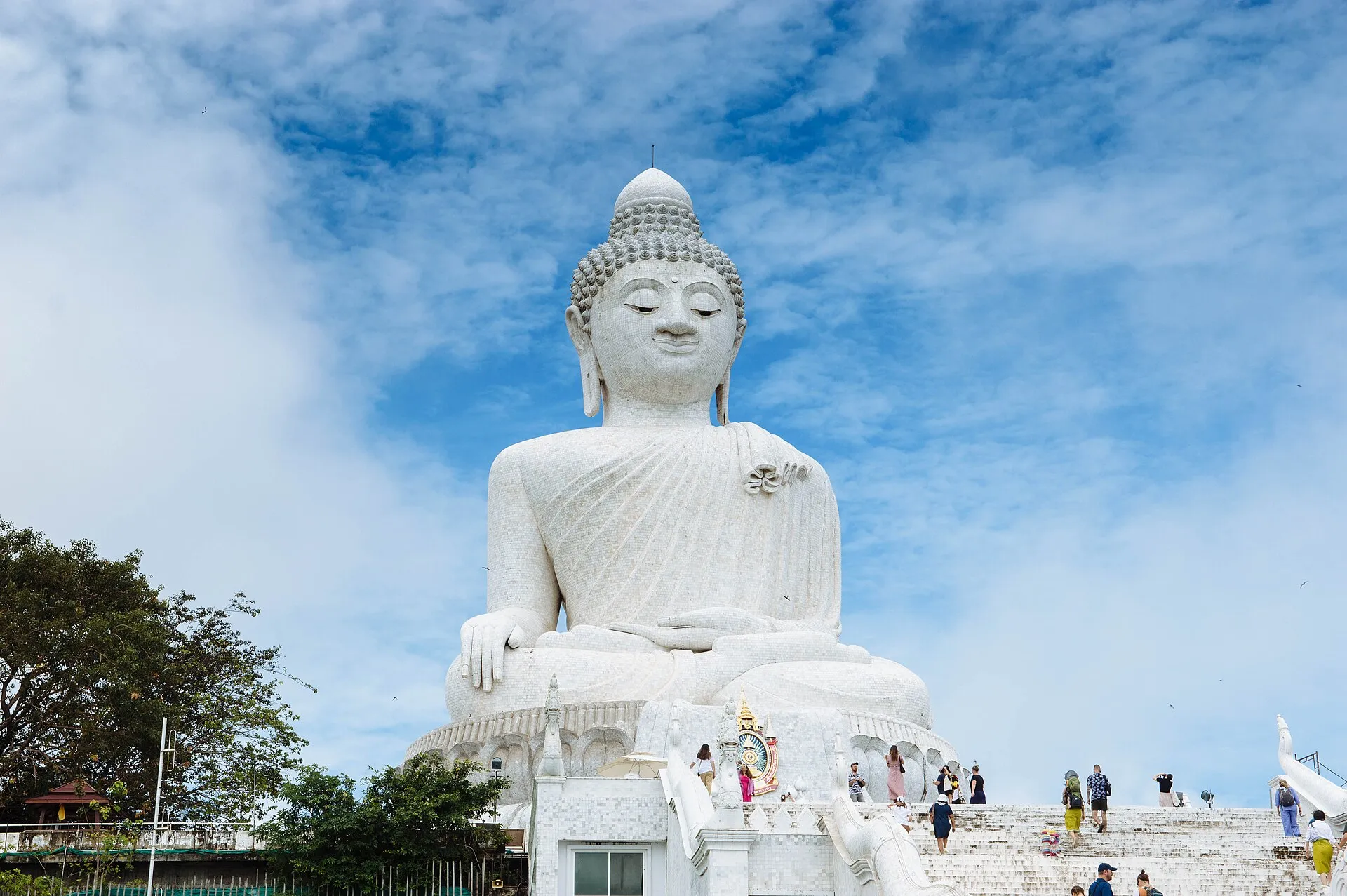
Now say you live in Rawai, at the southern end of Phuket, close to the seafood market on the beach, and the dentist is among the Sino-Portuguese shophouses of Phuket Town. The island is about 48 kilometres long and not walkable beyond small pockets. The air-conditioned Smart Bus runs up the west coast, not into town, at $3 to $5 a trip. The blue songthaews are cheap, but you flag them down and they stop around six in the evening. Grab works, though the prices are of another order, with $18 to $27 from the airport to Patong. By the end of a week you will want a scooter, at $90 to $120 a month. Costs like these help explain why the island comes out slightly dearer on our estimate, at about $2,400.
The scooter
This is the decision the brochures leave out. Thailand ranks among the world's deadliest countries for motorcycle riders. You need an international driving permit along with your licence at home, and the bikes hired out in tourist areas are often unregistered and cannot legally be on the road. Many travel insurance policies will not pay out unless you hold a licence for that class of vehicle in your own country, and in the rain the hilly coast roads turn slippery. Riding on a car licence, without a helmet, is how an ordinary month in Rawai can turn into a very expensive hospital bill.
When each place is at its worst
You may assume Bangkok is the wet one and the island the escape. September brings about 336 millimetres of rain to Bangkok and about 350 to Phuket. The difference lies in what the rain does to your day. From May to October the south-west monsoon brings strong currents to many of Phuket's beaches, drownings are common, and jellyfish can reach the shore. Bangkok's worst season comes later: from December to March, burning in the north helps push its air to its dirtiest.
Those calendars fit together. December to February is when Phuket's sea is calm and Bangkok's air is bad, so that is when to go south.
Getting from one to the other
The ground route rules itself out: about 13 hours by bus, or a train to Phun Phin followed by five more hours on a bus. So you fly, and flights are very frequent. The airport is 32 kilometres north of Phuket Town, which on this island counts as the start of another journey. The rules do not change between them. Visa-exempt arrivals have had only 30 days since 15 September 2026, and the DTV, which asks for about $14,950 in the bank, allows 180 days per entry. Our Thailand page sets out how that works.
We would base ourselves in Bangkok and take the winter on the island. Should the island still win you over, settle the licence question at home, because the rental counter, with your passport already in the owner's drawer, is the wrong place to discover you are not covered.
 United States
 United Kingdom
 Germany
 Canada
 Australia
 India