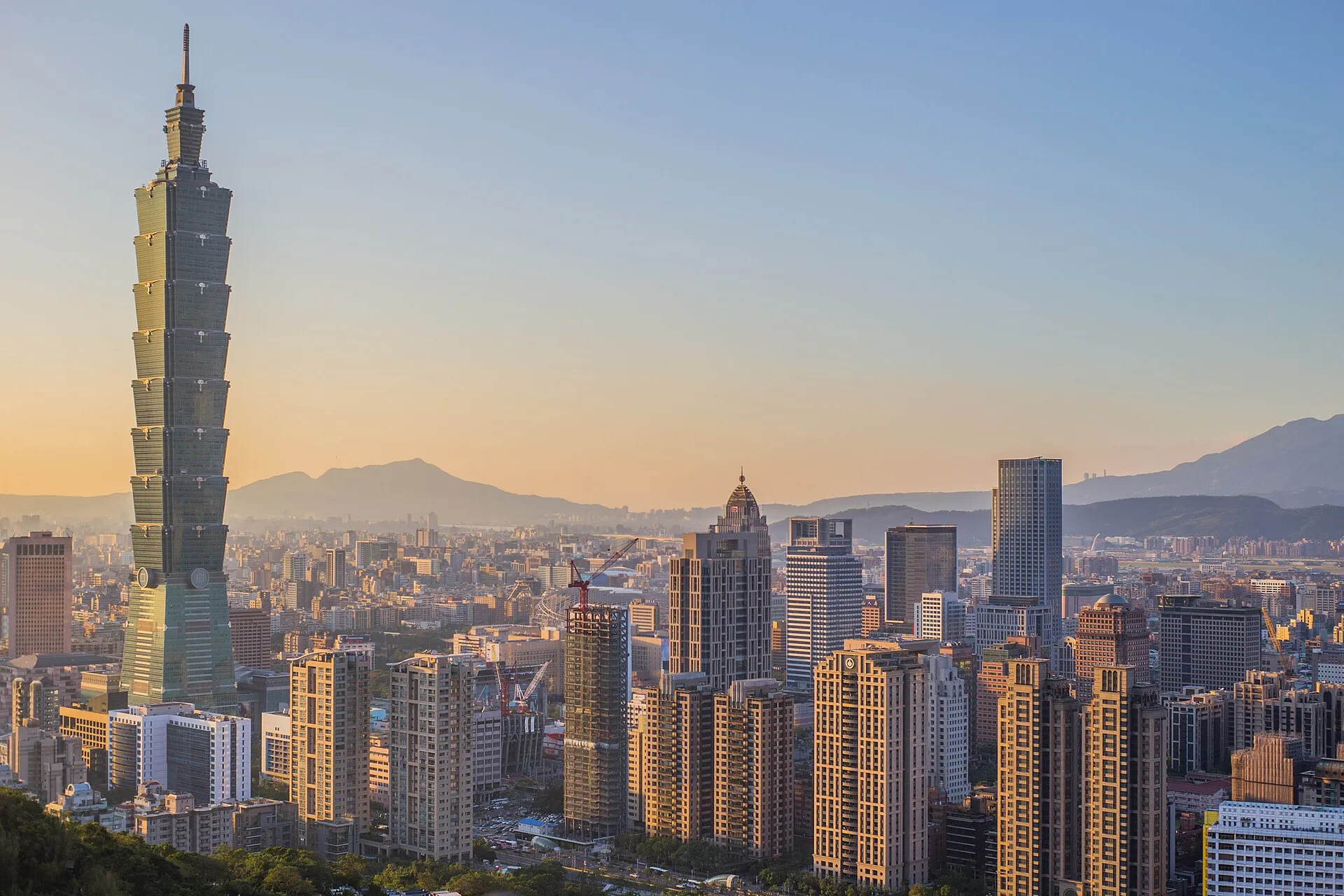
 Taipei
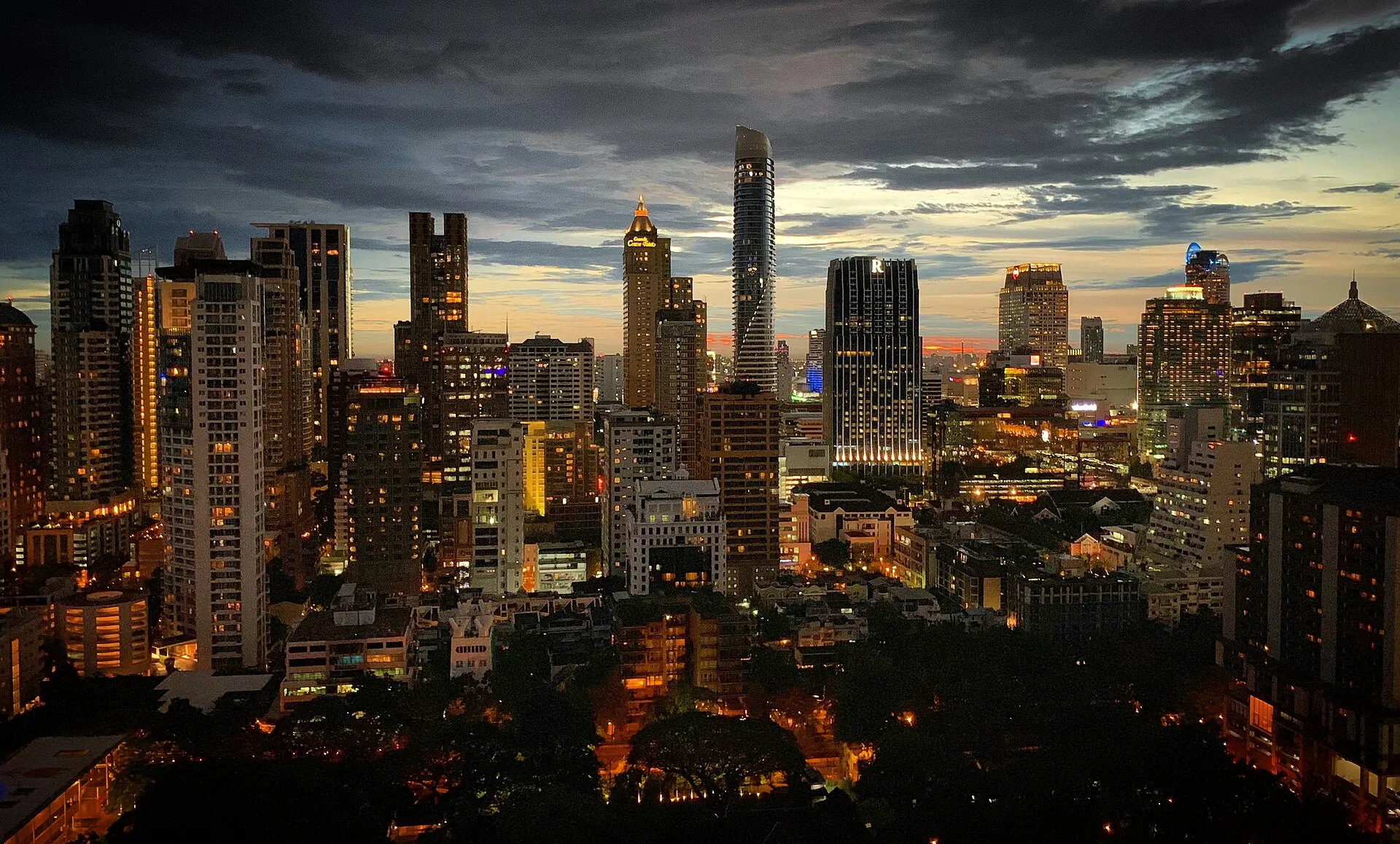
 Bangkok
For one week in January 2025, you could ride every Skytrain and metro in Bangkok without paying. The reason was the air. Fine particles had reached 108 micrograms per cubic metre, the city had closed 352 of its 437 schools, and the prime minister ordered free public transport to get people out of their cars. Six months earlier, Taiwan had shut its schools, its government offices and its stock exchange for Typhoon Gaemi.
We would compare these two cities by the calendar, because each has a stretch of the year when it stops being pleasant, and the kind you can tolerate is a good guide to where you should live.
The smog months in Bangkok
The 2025 episode ran from early January to late March, and the city had similar haze in February 2018 and 2019. Traffic is the biggest source, with crop burning nearby on top. The cruel part is the timing. After April's 36 degrees, the highs of 32 or 33 in December and January are the only time you might want to walk to the next station, and that is when the air may tell you not to.
Nobody is asking you to commute, so the cost is not lost work. It is weeks of a purifier humming in a sealed condo on Sukhumvit, and a grey view from the twentieth floor.
Typhoon days in Taipei
Taipei's bad days come with a forecast. The season runs from June to October, and a typhoon day means a closed city and a stocked fridge. During Gaemi, the elevated Wenhu line stopped on the afternoon before, and every other metro line kept running. For someone with a laptop and a convenience store on the corner, that is a quiet day indoors, then back to normal.
The rest of Taipei's weather is the slower problem: about 163 days a year with some rain, 34 degrees in July, and winter fog that pools in the basin. It has smog as well, from scooter exhaust, which builds up after rainless days. Taipei is rarely short of rain.
The ground moves in both cities, and they took it very differently. After a magnitude 7 quake off Taiwan in April 2024, Taipei's trains stopped for safety checks and ran again the same day. In March 2025, the Myanmar earthquake reached Bangkok, where a deputy prime minister called the shaking unprecedented in a century. All rapid transit stopped, and a 33-floor tower under construction in Chatuchak collapsed, killing at least 95 people.
The other nine months
Outside those seasons, Bangkok is the bigger life: over 9 million people against 2.5 million, and a remote-work crowd you will find without trying. You could work all night for free at the 24-hour C Asean space in Samyan Mitrtown and eat a street meal for $1.50 to $3. What you cannot do is walk far. Heat, broken pavements and almost no shade mean a day here goes condo, Skytrain, air-conditioned mall, Grab.
Taipei is the city you can actually move through on foot or on a YouBike. The metro runs from six until midnight, with eating, drinking and even chewing gum banned past the gates. A bowl of beef noodles is $2 to $4.50, and Raohe night market is there when you finish work. You will meet fewer people, though.
Money barely separates them. Our estimate is around $2,400 a month in Taipei, against about $2,200 in Bangkok.
Staying past the first month
Thailand cut its visa-free stay for most Western passports to 30 days in September 2026. The Destination Thailand Visa gives up to 180 days per entry for five years, on about $14,950 in savings, but you must now apply in a country where you are a citizen or permanent resident. Taiwan gives many of the same passports 90 days on arrival, and British and Canadian citizens can ask for 180. Its Gold Card runs up to three years, on a salary path of about $4,960 a month. So Taiwan is easier for a few months, and Thailand is easier for years if you have savings but not that income. Our nomad visa page keeps the conditions for both.
Picking one city for a full twelve months, we would take Taipei, because a typhoon costs you a day and smog can cost you a season. Bangkok is the better place to arrive alone and know people within a week. If that is what you need, go, and book your flight out for New Year.
 United States
 United Kingdom
 Germany
 Canada
 Australia
 India