Cost of Living in Koh Tao
Where this figure comes from. No cost survey covers Koh Tao, so the $1,000 a month above is our own estimate rather than a measurement. On 416 of our 999 city guides the figure is built from a published Numbeo basket, a one-bedroom rent in the centre plus one person's monthly costs without rent, converted to USD; this city is not one of them. How we source everything.
About $1000 a month is realistic on Koh Tao if the accommodation is monthly rather than nightly. A furnished studio or small bungalow with air conditioning in Mae Haad, Sairee or Chalok Baan Kao rents for $250 to $450 monthly off-season, climbing to $500 or more from December to March; long-stay negotiation is standard. Thai food at local shops costs $2 to $4 a plate, while Western restaurants on Sairee run $8 to $15, so a mixed diet lands at $300 to $400. An AIS or True tourist SIM with generous data is $10 to $18 a month. Formal coworking day passes are around $8 to $12, or roughly $90 to $150 monthly where offered. Electricity is the sting: island rates and constant air conditioning produce $50 to $120 bills. Scooter hire is $5 to $8 daily. Verdict: excellent value if diving is the point, otherwise mainland Thailand is cheaper.
Where to Work in Koh Tao
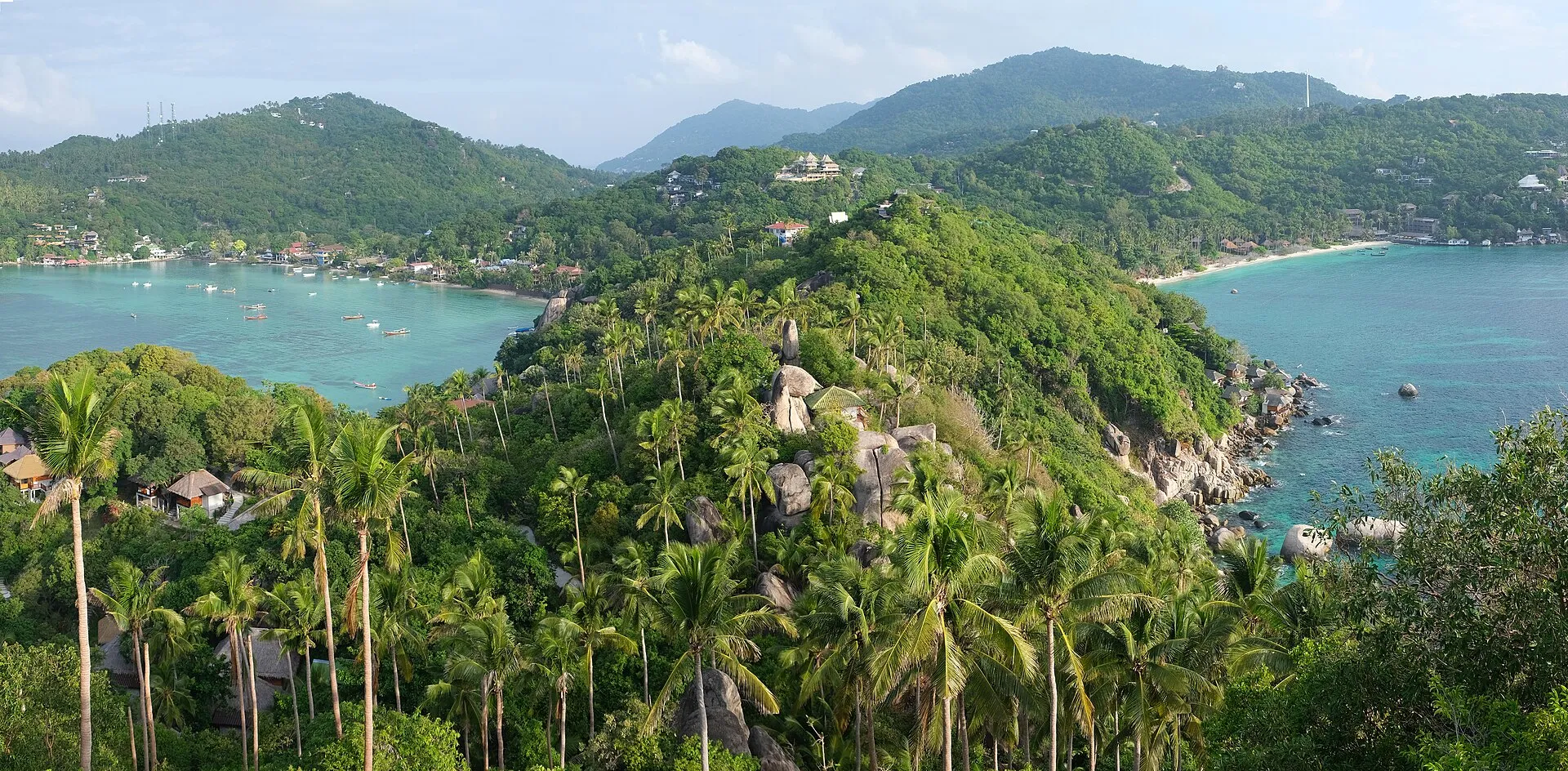
Base yourself in Mae Haad if ferries, banks and the widest cafe choice matter, Sairee for the social and dive-school density, or Chalok Baan Kao for quiet and better sleep. Reliable laptop-friendly cafes cluster in Mae Haad and along the back road behind Sairee: Zest Coffee Lounge and Cafe del Sol are long-standing fixtures, alongside a rotating set of air-conditioned specialty roasters that come and go each season, so it pays to check current openings rather than trust old lists. Dedicated coworking has never taken firm root here; most remote workers rely on cafes plus a good room connection. Fibre reached the island years ago and usable connections are common, but island bandwidth degrades in peak season, power cuts happen during storms, and the November to December monsoon can sever service for hours. A 5G phone plan as backup is close to essential. Almost everybody working on this island is doing so on the wrong paperwork, since a work permit is tied to a registered employer and the dive schools sponsor only a fraction of the people teaching. That is the island's open secret, and worth understanding before accepting anything offered casually over a beer. A remote job billed abroad sidesteps the question entirely.
Getting Around Koh Tao
Koh Tao has no airport and no public bus network. Arrival is by ferry into Mae Haad pier: Lomprayah and Seatran catamarans from Chumphon on the mainland cost roughly $18 to $28 and take under two hours, while services from Koh Phangan and Koh Samui run $12 to $22. Combined bus-boat or flight-boat tickets from Bangkok, Surat Thani or Samui airport are sold everywhere. On the island, songthaew pickups charge about $3 per person on shared routes and $8 to $15 for private hires at night, which adds up fast. Sairee and Mae Haad are walkable, but the road between beaches is steep and unlit. A scooter at $5 to $8 a day is effectively essential for anything beyond one beach, though the hills, gravel and rental damage scams make it the single biggest risk on the island. Helmets and photographic evidence at pickup are non-negotiable.
Sorting transport? Book an airport transfer, or compare car rental on Auto Europe and QEEQ.
Visas for Koh Tao
Most Western passport holders enter Thailand under the visa exemption scheme, which from 15 September 2026 grants 30 days on arrival rather than the 60 it gave from mid-2024, still extendable once at an immigration office for a further 30 days for a fee of about $55. The nearest immigration office for Koh Tao is on Koh Samui, so extensions require a ferry trip. Since 2024 Thailand has offered the Destination Thailand Visa, or DTV, a five-year multiple-entry visa aimed squarely at remote workers and long-stay soft-power visitors such as divers and Muay Thai students. It permits 180 days per entry, extendable once inside Thailand by another 180 days, costs about $290 and requires proof of about $14,000 in savings plus supporting documents such as a remote employment contract. Thailand also requires a digital arrival card. Overstaying carries fines and blacklisting, so it is not worth risking. A long-stay visa carries a standing obligation to report your address to the immigration office four times a year, in person or online, and it continues even when nothing whatever has changed. A landlord is separately supposed to notify them when a foreigner moves in, and an extension can stall if that was never done, so ask whether the place you are renting has ever filed one.
Best Time to Visit Koh Tao
Koh Tao sits in the Gulf of Thailand and runs on a different calendar from Phuket or Chiang Mai. February to April is the prime window: calm seas, visibility often above 20 metres, hot days near 33C and reliable ferries. May to August stays good, with short afternoon showers, whale shark sightings peaking around March to May and again in September, and fewer crowds. September and October bring increasing rain and choppier crossings. The worst window is late October through December, when the northeast monsoon delivers heavy sustained rain, rough seas, occasional cancelled ferries and power interruptions; some businesses close for a few weeks. January is a transitional month, improving steadily. Festivals worth timing include Songkran in mid-April, Loy Krathong in November, the Koh Tao Festival and the neighbouring Koh Phangan Full Moon parties, which draw the island's crowds every lunar month. Warm-water bleaching has hit these reefs several times over the last decade and the authorities have closed individual sites temporarily to let them recover, so a dive plan made months ahead is worth checking again on arrival. The water is at its warmest in the same weeks the visibility is at its best, which is precisely the problem.
Pros and Cons of Koh Tao
Koh Tao's strengths are specific and strong: it is one of the cheapest and best places on earth to learn or teach scuba diving, the water is warm year round, the community of divers, instructors and long-stay remote workers is genuinely tight, monthly rents are low, Thai food is excellent and inexpensive, and the island is small enough to feel like a village within a week. Free diving, bouldering and hiking add variety. The drawbacks accumulate, though: the island is tiny and can feel claustrophobic after two months, medical facilities are basic with serious cases evacuated to Koh Samui or Bangkok, scooter accidents are common and roads are steep and poorly surfaced, rental scams and inflated damage claims are a recurring complaint, waste management and water quality lag behind visitor numbers, electricity is expensive, the monsoon can strand people, and formal coworking infrastructure remains thin.
Who Koh Tao Is For
Koh Tao fits the diver first and the nomad second: instructors, divemaster trainees, underwater photographers and remote workers who want to be in the water every morning before a European-facing afternoon of work. It also suits low-budget solo travellers who value a small, friendly, easy-to-join community, freelancers on the Destination Thailand Visa planning a long soft-power stay, and anyone who prefers a village rhythm to a city. Skip it if the work needs enterprise-grade uptime, if a large formal coworking scene with events and networking matters, or if family-sized apartments, hospitals and international schools are requirements. It is also a poor fit for anyone who dislikes scooters, gets restless on small islands, or needs a varied nightlife and restaurant scene beyond beach bars. Those seeking cheaper city living with the same visa should compare Chiang Mai.