Cost of Living in Koh Lanta
Where this figure comes from. The $1,300 monthly budget above is our own estimate rather than a measurement. How we source everything.
A comfortable month on Koh Lanta runs about $1,300, and it can be done for less outside peak season. Rent is the main lever: a basic bungalow or studio with air conditioning goes for $350 to $600 on a monthly deal, more in December and January when owners push prices up. Food is where the island stays cheap. Pad thai or a curry at a Saladan or Klong Nin eatery costs $2 to $3, while a Western dinner with a drink is closer to $12. Budget about $300 on eating, $60 to $100 on a scooter rental plus fuel, and around $120 for a monthly desk at KoHub on Long Beach. Add a few dollars each week for laundry and water. Imported groceries cost noticeably more than on the mainland.
Where to Work in Koh Lanta
Koh Lanta has one proper coworking space, KoHub on Long Beach (Phra Ae), run by long-term nomads, with fast fibre, air conditioning, a community kitchen and regular events. Desks fill up between December and March, so message ahead or you may be turned away. Beyond that, the island is a patchwork of beach cafes. The Glass House on the main road works for a few hours, and Living Room Cafe and Bakery in Klong Dao has air conditioning and decent wifi. Plan around power cuts and storms in the wet months, and carry a Thai SIM with a big data plan as backup. Wifi in bungalows varies a lot, so ask to test it before you pay for a month.
Getting Around Koh Lanta
You need wheels on Koh Lanta. The island is about 30 km long, and one main road runs down the west coast from Saladan to the national park at the southern tip. Most people rent a scooter for $6 to $9 a day, less by the month, and the road is smooth but has some steep, curved hills near Klong Jak. Songthaew pickups and motorbike taxis exist but charge tourist prices after dark. You arrive by minivan plus two car ferries across to Saladan, usually from Krabi Airport (about 90 minutes) or Krabi Town. Fast boats run from Koh Phi Phi and Phuket in high season only. Drivers must carry a licence, as police checkpoints on the main road are common.
Visas for Koh Lanta
Since 15 September 2026, Thailand lets citizens of 60 countries, the US, UK, Canada, Australia and most of the EU among them, enter without a visa for up to 30 days, down from 60 since July 2024, with a 30 day extension available at immigration. The Destination Thailand Visa (DTV), launched in July 2024, is aimed at remote workers and allows stays of up to 180 days per entry over five years, with proof of about $15,000 in savings. Koh Lanta has no immigration office of its own, so extensions mean a trip to Krabi Town, about two hours away by road and ferry, and border runs to Malaysia go by minivan through Satun.
Best Time to Visit Koh Lanta
The dry season from November to April is the best time to be on Koh Lanta, with calm seas, blue skies and sunsets from Long Beach. December to February is peak, with the highest prices and the most people. From May to October the southwest monsoon brings heavy rain, rough water and red flags on the beaches, and many restaurants and resorts close. Some nomads like September and October for the green hills and empty roads, but expect days of rain and slower wifi. March and April are hot and humid, yet the sea is warm and the crowds thin. If you want the coworking scene fully running, aim for late November through March.
Pros and Cons of Koh Lanta
Koh Lanta rewards people who want a quiet, outdoorsy base. The beaches are long and uncrowded, the sunsets are great, and the diving and snorkelling around Koh Rok and Koh Haa are a boat ride away. Food is cheap, locals are relaxed, and safety is rarely a concern. The trade-offs are real, though. Nightlife is small, with a few beach bars and the odd party in Klong Nin. The nomad community is tiny compared with Chiang Mai, so you will see the same faces often. Wifi and electricity can fail in storms, hospitals are basic, and the monsoon shuts down half the island for six months. Without a scooter you are stuck.
Who Koh Lanta Is For
Koh Lanta suits remote workers who value beaches and quiet over a big social scene. Freelancers, writers and developers who work well in routine and are happy to run to a set schedule will do best, ideally with a partner or friend for company. Divers, yogis and anyone who likes scooter rides on empty roads will enjoy it too. Families fit well, because the beaches are gentle and the pace is slow. It is a poor choice for people who need an active nightlife, deep networking, or city amenities. If you have never lived on an island, try one month in the dry season before committing to a longer stay.
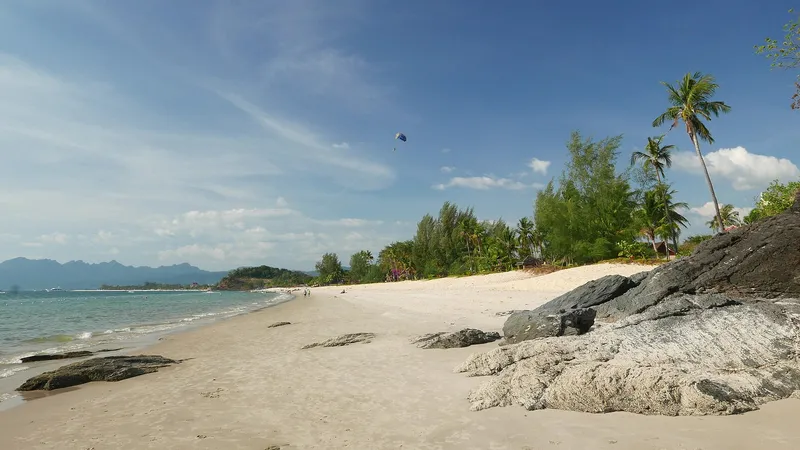
 Photo: Wanjak Atikomchakorn / Wikimedia Commons (CC BY-SA 4.0)