Cost of Living in Khao Lak
Where this figure comes from. No cost survey covers Khao Lak, so the $1,030 a month above is our own estimate rather than a measurement. On 416 of our 999 city guides the figure is built from a published Numbeo basket, a one-bedroom rent in the centre plus one person's monthly costs without rent, converted to USD; this city is not one of them. How we source everything.
Khao Lak sits comfortably below Phuket in terms of cost, though it is not as cheap as inland cities like Chiang Mai. Most digital nomads land somewhere between $1,050 and $1,940 per month depending on how close to the beach they want to live and how often they eat out.
- Rent, central Nang Thong or Bang Niang: $360 to $600/month for a furnished studio or small one-bedroom. Beachfront positions command a premium.
- Rent, cheaper areas (Khuk Khak, Pakarang, local roads inland): $210 to $360/month for basic furnished rooms or older bungalows.
- Groceries (self-catering): $180 to $270/month. A Lotus's and Makro serve the area. Imported products are expensive; local fruit, veg, and proteins are cheap.
- Eating out: A local Thai plate at a roadside shop runs $2 to $3. A sit-down meal with a beer at a mid-range restaurant costs $9 to $15 per person. Budget $240 to $450/month if you eat out most meals.
- Coworking hot-desk: No dedicated coworking spaces in the traditional sense. Cafes that double as work spots charge nothing beyond your drinks order, typically $2.50 to $4.50 per coffee. Resort business centers may charge $9 to $15 per day.
- Local transport: Scooter rental runs $120 to $150/month. Fuel is around $1 per liter. Songthaews charge $0.50 to $1.50 per short hop between villages.
- Total monthly range: $1,050 to $1,940 covers a comfortable nomad lifestyle. A frugal setup on $745 to $895 is possible but tight.
Where to Work
Khao Lak does not have purpose-built coworking spaces. If you need a dedicated desk with guaranteed fast fiber and a community around you, this is a real limitation. What the town does offer is a growing number of cafes that are genuinely laptop-friendly.
The Eighth Room Cafe in central Khao Lak has reliable wifi, an air-conditioned indoor section, and solid espresso. Delicacy Khaolak, a bohemian-style spot with in-house baking, draws a laptop crowd and holds its wifi well. Ocean Man Cafe near Khuk Khak beach has strong wifi and a relaxed open layout. La Malila Cafe and Garage Cafe 438 are smaller but consistently praised for coffee quality and a calm atmosphere. Wifi at the better cafes is workable for video calls but not rock-solid. Signal can drop during peak lunch hours.
Your accommodation wifi matters more here than in cities. When booking a long-term rental, ask the owner for a speed test screenshot and confirm whether the connection uses fiber or the older AIS or DTAC mobile tower setups. Many newer guesthouses and villas now offer fiber.
Getting Around
Khao Lak is spread along about 25 kilometers of coastline. The main traveler zones, Nang Thong and Bang Niang, are each walkable within themselves, but getting between areas or reaching the supermarket requires wheels.
Renting a scooter is the practical choice. Daily rates run $7.50 to $9, and a monthly deal lands around $120 to $150. Most guesthouses can arrange one informally. Grab (the regional ride-hailing app) works in Khao Lak, though availability is lower than in Phuket. Songthaews run along the main Phetkasem Road and charge $0.50 to $1.50 per leg. Taxis for longer trips cost around $9 for local runs.
Phuket International Airport is the nearest major hub, roughly 80 to 90 kilometers south. A shared minivan transfer costs around $10 to $15 per person. A private taxi runs $45 to $54 and takes about 1.5 to 2 hours depending on traffic. Hat Yai and Surat Thani airports are alternatives for certain routes. There is no train or bus service direct to Khao Lak from Bangkok; the standard route is to fly to Phuket or take a bus to Takua Pa and then a songthaew south.
Sorting transport? Book an airport transfer, or compare car rental on Auto Europe and QEEQ.
Visas and Staying Long-Term
Thai immigration rules apply to Khao Lak the same as everywhere else in Thailand.
Visa-exempt entry covers most Western passports (US, UK, EU, Australian, Canadian) for 30 days per entry from 15 September 2026. That is half what it was: the 60-day allowance introduced in July 2024 was reversed by cabinet in May 2026 and the regulations were gazetted on 31 August. You can extend once at a local immigration office for an additional 30 days for $57, giving you 60 days total on a single entry.
The Destination Thailand Visa (DTV), launched mid-2024, is the closest thing to a digital nomad visa. It costs around $300, runs for 5 years with multiple entries, and allows up to 180 days per stay, extendable to 360 days at immigration for $57. You need to show $14,950 in savings to qualify. Remote workers for foreign clients can use it legally.
The LTR (Long-Term Resident) visa suits high-income remote workers: it requires $80,000 annual income and gives a 10-year stay with tax benefits. Most nomads opt for the DTV instead.
Nearest immigration office is in Takua Pa or Phang Nga town.
Best Time to Visit
Khao Lak sits on the Andaman coast and has a very clear split between seasons. The dry season runs from November through April. December through February is peak time: cooler temperatures (25 to 30 degrees C), calm seas, and low humidity make it ideal for combining outdoor time with remote work. Flights and accommodation are pricier, and the town is busier.
November and March are shoulder months with good weather, fewer crowds, and slightly lower prices. April turns hotter and humid. The wet season (May through October) brings heavy rain, rough seas, and many tourist businesses closing down or cutting hours. September and October are the wettest months. Internet from mobile backups can degrade during intense storms. Some nomads choose the wet season for the deep discounts on accommodation (sometimes 40 to 50 percent less), and rain rarely falls all day, but it is not the comfortable working setup you get November through April.
For remote work comfort, November through March is the reliable window. If budget is the priority and you do not mind occasional power disruptions, May and June before the heaviest rains can work reasonably well.
Pros and Cons
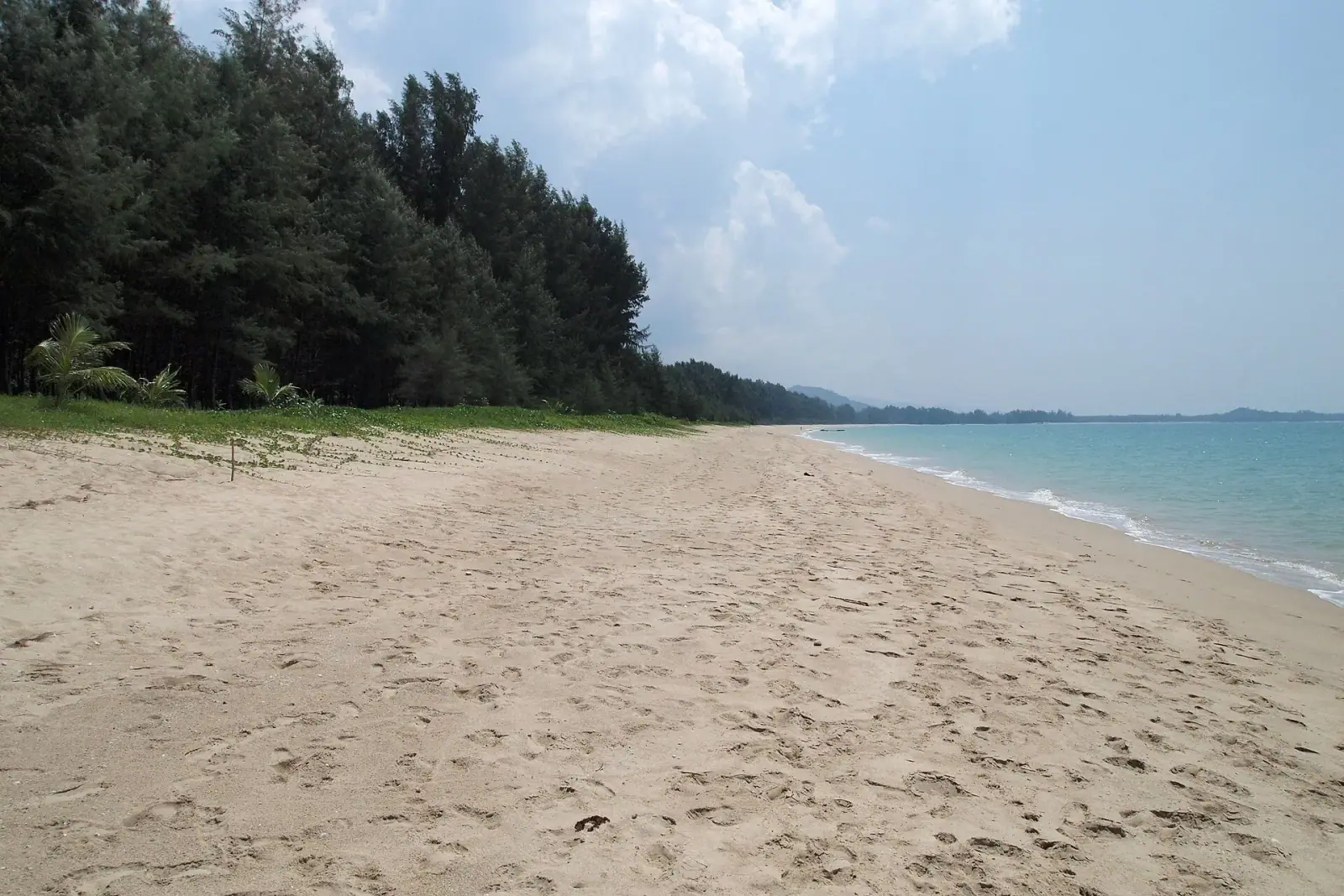
- Pro: Genuinely beautiful beaches with far fewer crowds than Phuket or Koh Samui
- Pro: Lower cost than most Thai beach destinations, especially on accommodation
- Pro: Clean air and a quiet environment that suits deep focus work
- Pro: Easy scooter access to national parks, diving, and jungle waterfalls
- Pro: Small but friendly expat and long-stay community, particularly in Bang Niang
- Pro: Good variety of international and Thai food despite the town's small size
- Con: No dedicated coworking spaces; wifi reliability depends heavily on where you stay
- Con: Spread-out geography means a scooter is effectively required
- Con: Many businesses close or reduce hours in the wet season (May to October)
- Con: Nightlife and social scene are limited compared to Phuket or Bangkok
- Con: Phuket airport is 1.5 to 2 hours away; flight connections take planning
- Con: Immigration office requires a trip to Takua Pa or Phang Nga town for extensions
Who Khao Lak Is Best For
Khao Lak suits nomads who put lifestyle and nature ahead of infrastructure. If you do asynchronous work, do not rely on six back-to-back video calls a day, and want to wake up near a national park with uncrowded beaches, you will find it excellent. It works particularly well for solo remote workers and couples who want a quieter, less touristy version of southern Thailand. Long-stay visitors on the DTV visa who want to slow down and avoid the chaos of Phuket consistently rate it highly.
You should look elsewhere if you need guaranteed coworking infrastructure, a large nomad community, daily flight flexibility, or an active nightlife scene. It is also a difficult base during the wet season if your work requires stable high-speed internet at all times. Bangkok, Chiang Mai, and Phuket each offer more robust digital infrastructure if consistent connectivity is non-negotiable.