Cost of Living in Pai
Where this figure comes from. No cost survey covers Pai, so the $1,200 a month above is our own estimate rather than a measurement. On 416 of our 999 city guides the figure is built from a published Numbeo basket, a one-bedroom rent in the centre plus one person's monthly costs without rent, converted to USD; this city is not one of them. How we source everything.
Pai sits at the budget-friendly end of Thailand's digital nomad destinations. Expect to spend around $745 to $1,350 per month as a working nomad, depending on your lifestyle.
- Rent, central area: $240 to $450 for a furnished studio or guesthouse room; bungalows with a garden on the edge of town drop to $150 to $240
- Groceries: $90 to $150 per month from local markets; imported goods cost more and selection is thin
- Eating out: Street stalls and market food run $1 to $2.50 per dish; sit-down restaurants charge $3 to $9; Western-leaning spots like Witching Well go up to $12 to $18
- Coworking hot desk: Poke Pai Coworking charges day-pass and monthly rates; budget $90 to $150 per month or work from cafes at near-zero cost if you buy a drink
- Local transport: Motorbike rental costs $3 to $4.50 per day; $75 to $120 for a full month
- Total range: $600 to $1,050 for budget-conscious living; $1,050 to $1,490 if you want AC accommodation, eat out daily, and cowork
Tap water is not safe to drink; budget $9 to $15 monthly for refillable water jugs or bottles.
Where to Work
Pai has one dedicated coworking space and a handful of laptop-friendly cafes that cover most needs, though the infrastructure is thinner than Chiang Mai.
Poke Pai Coworking
Located near the Clock Tower, Poke Pai is the closest thing to a proper coworking space in town. It offers dedicated desks, AC, multiple power outlets, comfortable chairs, and the fastest WiFi in Pai. The atmosphere is quiet and focused. If you need reliable video conferencing without interruption, this is your best option.
Cafe Culture
Cafe-working is the norm for most nomads. Pai Coffee Studio in the central area offers one of the fastest WiFi connections in town in a quiet, minimal setting. Lemon Thyme Cafe has consistent WiFi and AC indoor seating. Keys Cafe, attached to Keys Resort but open to all, is a spacious riverside spot that nomads rate highly for extended sessions. Dream Cafe on the edge of the central strip has two floors, abundant power sockets, and a garden setting. The Pedlar in Wiang Tai has built a reputation as a remote-work hub with decent speeds.
The Real WiFi Situation
Most cafes offer connections sufficient for email, coding, and most video calls. Connection quality can dip during heavy rain, common from June through October. The town's valley geography occasionally causes signal issues. A local SIM card with a data plan costs around $4.50 to $9 monthly for 10 GB, giving you a reliable backup. True Move H and DTAC both have reasonable coverage in central Pai.
Getting Around
Pai's central area is compact and walkable; you can reach the Night Market, cafes, and guesthouses on foot in under 15 minutes. However, the best natural attractions, many guesthouses with views, and several good cafes sit several kilometers outside town, making a motorbike close to essential.
- Motorbike rental: $3 to $4.50 per day; nearly every guesthouse and rental shop in town offers them; choose a 125cc or higher for the surrounding mountain roads
- Songthaew (shared pickup truck taxi): Available for longer local runs but unreliable as a daily commuting option; there are no Grab or local ride-hailing apps in Pai
- Getting to and from Chiang Mai: Minivans run by AYA Service ($6) and Prem Pracha ($4.50) operate multiple daily departures for the 3-hour, 762-curve mountain journey; book ahead during peak season as buses fill up; take an anti-nausea tablet if you are prone to motion sickness
- Pai Airport: A small airstrip exists with Kan Air operating limited weekly flights to Chiang Mai (under 30 minutes in the air). Service is infrequent and schedules change; verify directly with Kan Air before planning around it
Sorting transport? Book an airport transfer, or compare car rental on Auto Europe and QEEQ.
Visas and Staying Long-Term
Thailand's dedicated route for remote workers is the Destination Thailand Visa, described last below, while the visa exemption and the tourist visa cover shorter stays in the valley.
Visa Exemption
Most Western passport holders (EU, US, UK, Australian, Canadian) enter Thailand visa-free for 30 days by air, with a possible extension of 30 days at a local immigration office for $57. As of late 2025, extensions via the visa exemption route are limited to two per calendar year, meaning the old "visa run" strategy for indefinite stays is now actively restricted. Land border entries no longer qualify for extensions under the new rules.
Tourist Visa (TR)
Applied for in advance at a Thai embassy, a single-entry tourist visa gives you 60 days plus a possible 30-day extension. A multiple-entry tourist visa covers six months with 60-day stays per entry.
Destination Thailand Visa (DTV)
Thailand's Digital Nomad visa, the DTV, is a 5-year multiple-entry visa allowing 180-day stays per entry (extendable once for another 180 days). Requirements include proof of remote income, $14,950 in savings, and employment or freelance contracts outside Thailand. This is the best legal long-term option for nomads planning to base themselves in Thailand.
Best Time to Visit
Pai has three distinct seasons and the timing of your visit has a real impact on your experience, especially around air quality.
Cool and Dry Season: November to February
This is the sweet spot for remote work in Pai. Temperatures sit between 15 and 28 degrees Celsius, skies are clear, and the mountain scenery is at its sharpest. This is also when Pai is most popular with visitors, so guesthouses fill up during Christmas and New Year. Book accommodation in advance.
Hot Season: March to May
Temperatures climb toward 38 to 40 degrees Celsius. March through April is burning season: farmers clear fields across northern Thailand and Myanmar, and smoke settles into Pai's valley. Air quality can reach unhealthy levels with PM2.5 spikes; if you have respiratory issues, avoid this window. May brings pre-monsoon heat and the first rains that clear the air within days.
Rainy Season: June to October
Afternoons bring reliable rain but mornings are often clear and the air is clean. Greenery peaks and the surrounding rice paddies are at their most dramatic. WiFi can dip during storms. Accommodation is cheaper, the town is less crowded, and many nomads find this a productive and pleasant time to base here.
Best months for remote work overall: November through January for clean air and comfortable temperatures; June through September for value, green scenery, and fewer crowds. Avoid March and April if air quality matters to you.
Pros and Cons
- Very low cost of living relative to Chiang Mai or Bangkok
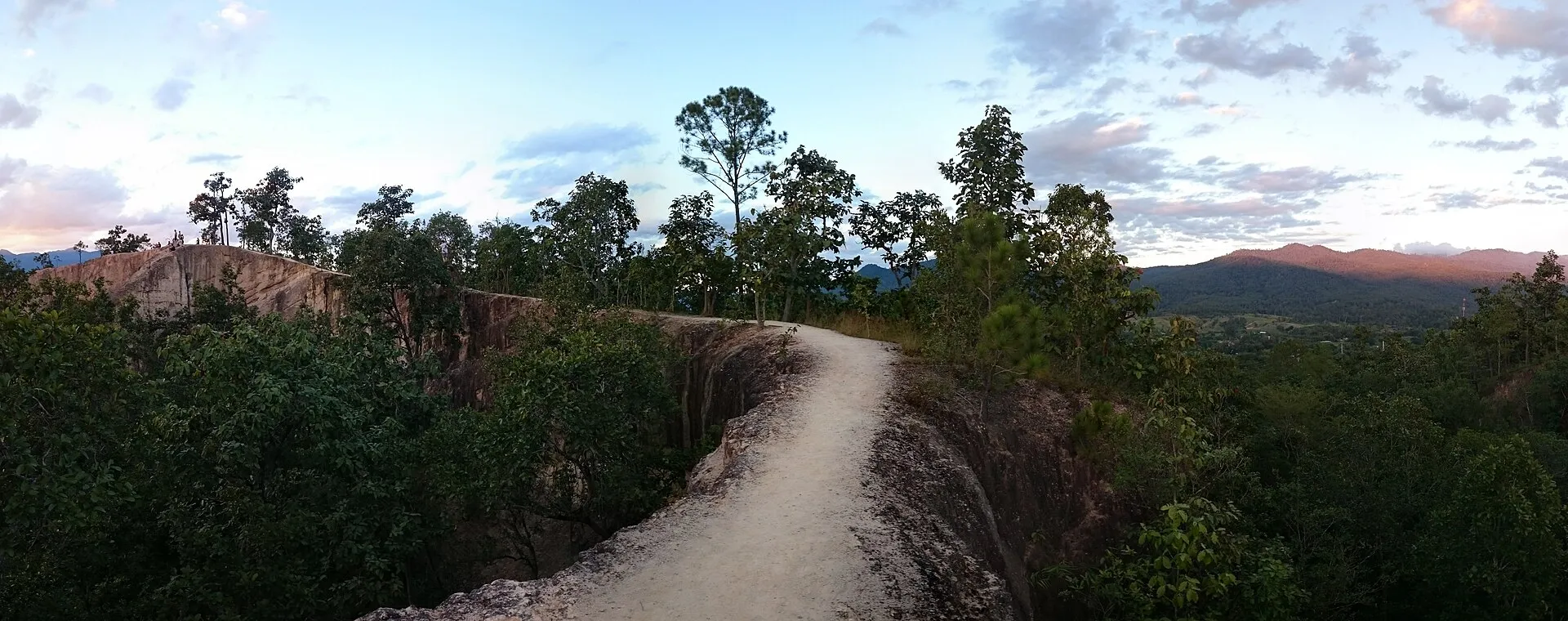
- Stunning natural surroundings with waterfalls, hot springs, canyon hikes, and rice paddies minutes from town
- Relaxed, creative atmosphere with a strong wellness and yoga culture
- Safe and walkable central area; generally low crime
- Good cafe-working infrastructure for a town this size
- No urban stress and a pace of life that suits deep-focus work
- Severe air pollution in March and April during burning season
- Very limited medical facilities; anything serious means a 3-hour drive to Chiang Mai
- No Grab or reliable local transport; a motorbike is near-essential
- Small nomad community; networking and coworking culture is thin compared to larger hubs
- Long-term housing is hard to find without direct contact with landlords on the ground
- Limited shopping; specialty or imported items require a trip to Chiang Mai
- Winding mountain road causes motion sickness and has a high accident rate
Who Pai Is Best For
Pai suits solo nomads and couples who prioritize nature, low costs, and a calm environment over urban infrastructure. If your work is independent and asynchronous, you have the ideal setup for settling in for a month or two, especially during the cool season. Writers, designers, developers, and creative freelancers who want a break from city noise often find themselves extending their stay far longer than planned; there is even a local term for it, the "Pai Hole."
Pai also works well as a strategic base between Chiang Mai trips. You can handle deep-focus work in town, then head back to Chiang Mai for coworking events, medical appointments, or shopping every few weeks.
Skip Pai if you need fast hospital access, large coworking communities, reliable public transport, or a varied social scene. It is also a poor fit during burning season (March to April) for anyone with asthma or who cannot tolerate poor air quality. Budget-focused nomads who need consistent 50+ Mbps internet for large uploads or heavy video production will also find the infrastructure limiting outside of Poke Pai Coworking.