Cost of Living in Koh Phangan
Where this figure comes from. No cost survey covers Koh Phangan, so the $940 a month above is our own estimate rather than a measurement. On 416 of our 999 city guides the figure is built from a published Numbeo basket, a one-bedroom rent in the centre plus one person's monthly costs without rent, converted to USD; this city is not one of them. How we source everything.
Koh Phangan sits in a middle tier for Southeast Asia: cheaper than Bali but pricier than Chiang Mai, and costs swing sharply between high season (December to April) and the rest of the year.
A realistic monthly breakdown in US dollars:
- Rent, central Thong Sala or Sri Thanu: $300-540 for a studio or basic one-bedroom with AC
- Rent, quieter north or east coast: $180-300 for a bungalow, though you need a motorbike and connectivity varies
- Groceries (self-catering): $90-150 from local markets and Makro; imported goods push this higher
- Eating out: $3-6 per meal at local Thai spots; $6-12 at cafes and Western-leaning restaurants
- Coworking hot-desk: $90-165 per month at established spaces; day passes run $9-15
- Local transport (motorbike rental): $105-150 per month; daily rentals $4.50-9
- Utilities (AC use): $45-90, often included in monthly rent
- Mobile data / SIM: $12-24 for a monthly plan with solid 4G
Total realistic range: Budget nomad spending $480-660 per month; comfortable mid-range is $835-1,350. High season pushes accommodation up 30-50%, so timing your arrival matters.
Where to Work
Koh Phangan's remote work infrastructure has improved substantially since 2022 and now supports a year-round nomad population, though it remains more limited than Chiang Mai or Bangkok.
Dedicated Coworking Spaces
Beachub in Sri Thanu is the island's most talked-about coworking spot, a beachfront space with fiber WiFi, a beach cafe, and 24/7 access for members. Hustle Club on the north coast (Nai Wok area) combines a pool, rooftop terrace with bay views, and reliable WiFi. Inner Space in Sri Thanu is a quieter, community-focused option with barista coffee and dedicated call booths. La Casa by Remote and Digital in Baan Tai offers oceanfront desks at the most affordable monthly rates on the island.
Cafe Work Culture
The island has a genuine cafe-work culture, especially around Sri Thanu and Thong Sala. Dots Coffee in Thong Sala on the main road has reliable WiFi and power outlets. Hundred Islands Coffee Bar is a solid specialty coffee spot. Most cafes with a nomad vibe tolerate laptop workers for several hours.
The Real WiFi Situation
Dedicated coworking spaces deliver fast, reliable fiber. In cafes and accommodations, speeds vary widely and stability is uneven, so a Thai SIM with 4G backup (available from AIS or DTAC) is essential. Remote areas on the north and east coast can have poor signal; Sri Thanu and Thong Sala have the most consistent coverage.
Getting Around
Koh Phangan has no airport and no functioning public bus system. A motorbike or scooter is the standard way to get around, and most nomads rent one on arrival for $105-150 per month. Roads in the interior are steep and some are unpaved, so riding confidence matters. Accidents are the most common hazard on the island.
For shorter trips or if you prefer not to ride, songthaew taxis (converted pickup trucks) run along main roads and can be flagged from the roadside. Motorbike taxi drivers in colored vests are available near piers and town centers. Fares are negotiated in advance; a short hop costs $3-6. Private taxi vans are available for airport transfers and groups.
To get to or from Koh Phangan, you travel by ferry. The main routes are from Surat Thani on the mainland (roughly 2.5-4 hours by high-speed or Raja Ferry) and from Koh Samui (30-45 minutes). Koh Samui Airport (USM) is the nearest airport; most nomads fly into there or into Bangkok and connect south via bus and ferry or train and ferry. The Raja and Lomprayah ferry companies run multiple daily departures and are bookable online.
Sorting transport? Book an airport transfer, or compare car rental on Auto Europe and QEEQ.
Visas and Staying Long-Term
Thailand grants a 30-day visa exemption on arrival to citizens of most Western countries (US, UK, EU, Australia, Canada, and others) from 15 September 2026, halved from the 60 days granted since July 2024. You can extend this once at a local immigration office in Thong Sala for $57, giving you 60 days total.
The Destination Thailand Visa (DTV), introduced in 2024, is the most practical long-stay option for remote workers. It costs $300, is applied for at a Thai embassy abroad, and allows multiple entries over five years with stays of up to 180 days per entry, extendable by another 180 days at immigration without leaving. This is now the standard path for nomads who want to stay several months at a time.
The older tourist visa (TR) issued by Thai embassies gives 60 days, also extendable once for 30 days. Repeat border runs have become less reliable as immigration officers increasingly scrutinize frequent entries on tourist stamps.
Best Time to Visit
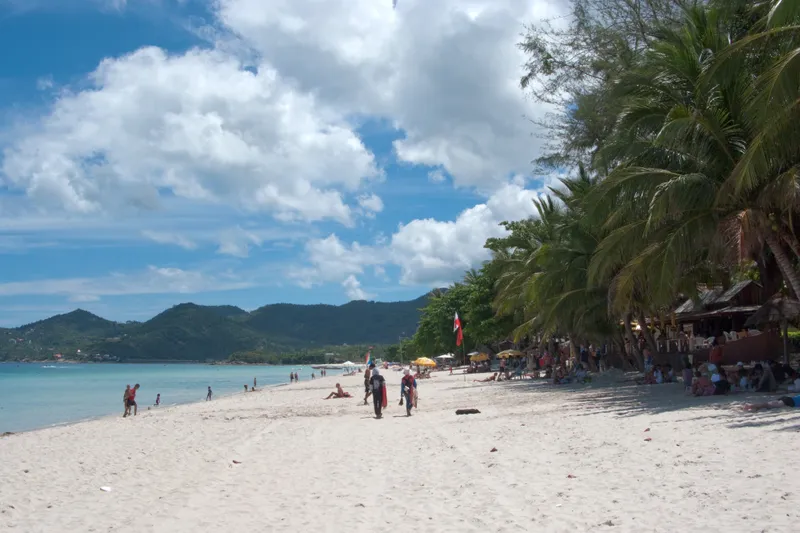
Koh Phangan's dry season runs from December through April, with calm seas, low humidity, and temperatures around 28-32 degrees Celsius. This is when the island is most photogenic and the beaches are at their best, but it is also the most expensive and crowded period.
For remote workers, the shoulder months of May-June and September-November are a smart window. Prices drop 30-50%, crowds thin out, and rain usually falls in short afternoon bursts rather than all-day downpours. You can still work comfortably and enjoy the outdoors most of the time.
The wettest months are October and November, when sustained rain and rough seas can limit beach access. July and August bring some rain but are generally manageable. The Full Moon Party near Haad Rin runs monthly year-round and creates a party atmosphere island-wide the night before and after; factor this in if you need quiet nights.
Pros and Cons
Pros
- Genuinely affordable compared to Bali, Lisbon, or other nomad hotspots
- Growing coworking infrastructure with beachfront options that are actually fast
- Strong wellness and yoga community in Sri Thanu draws a calm, health-focused crowd
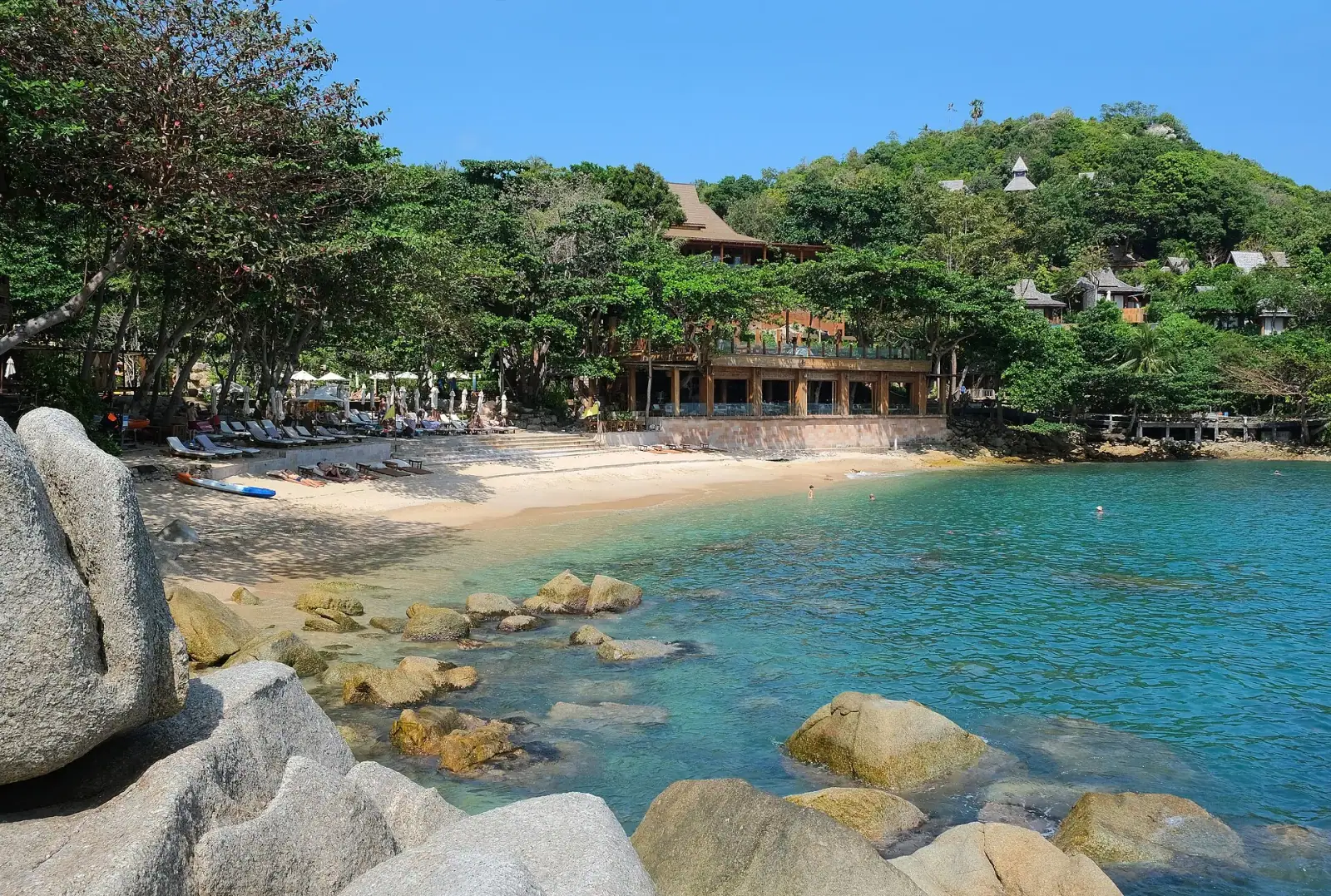
- Natural beauty: jungles, waterfalls, and beaches within short motorbike distances
- Laid-back pace of life with a small-town feel and real expat community
- DTV visa makes multi-month stays straightforward
- Thai food is cheap, plentiful, and excellent
Cons
- No airport; getting here requires a ferry connection, adding 2-5 hours to any travel day
- You need a motorbike; if you are not comfortable riding, daily life is difficult
- Full Moon Party tourism means one loud night per month and a generally party-heavy reputation that attracts the wrong crowd seasonally
- Healthcare is limited to small clinics; serious illness means a boat to Koh Samui or Bangkok
- Coworking is solid but thinner than Chiang Mai; fewer options for private offices or enterprise-grade setups
- High season prices and crowds can undercut the budget appeal
Who Koh Phangan Is Best For
Koh Phangan works well for nomads who want a genuine tropical island lifestyle without the mass-tourism scale of Bali's Canggu. If you value morning swims before work, yoga or wellness culture, a small but real community of long-term expats, and low costs outside high season, this island delivers.
It suits solo travelers and couples who are self-sufficient, comfortable on a motorbike, and do not need enterprise coworking facilities or a buzzing city infrastructure. Writers, designers, coaches, and developers doing async work tend to thrive here. The pace is slow on purpose.
You should skip Koh Phangan if you need frequent flights for meetings or client work (the ferry connection adds real friction), require reliable high-end healthcare, or find the Full Moon Party scene actively off-putting year-round. It is also a poor fit if you are not comfortable renting a motorbike or want walkable urban amenities like a metro system, large supermarkets, or fast food variety.