Cost of Living in Barranquilla
Real market data
Source: Numbeo · August 2026
$1,270/moSolo nomad1-bed centre + living costs
$1,660/moCoupleshared 1-bed + costs
$980/moLean / localcheaper area + costs
- 1-bed rent, city centre$790COL$2,533,333
- 1-bed rent, outside centre$500COL$1,612,000
- Monthly costs excl. rent (1 person)$480COL$1,537,965
- Meal, inexpensive restaurant$8COL$25,000
- Buy price, per m² (centre)$1,840COL$5,908,000
Prices are from Numbeo (August 2026), converted to USD at $1 = COL$3203.03 (01 Aug 2026). The monthly living-costs figure is our transparent one-person basket, groceries, a few meals out, utilities, phone, internet, transport and essentials, priced from those figures. Solo adds central rent; couple and lean are estimates from the same numbers.
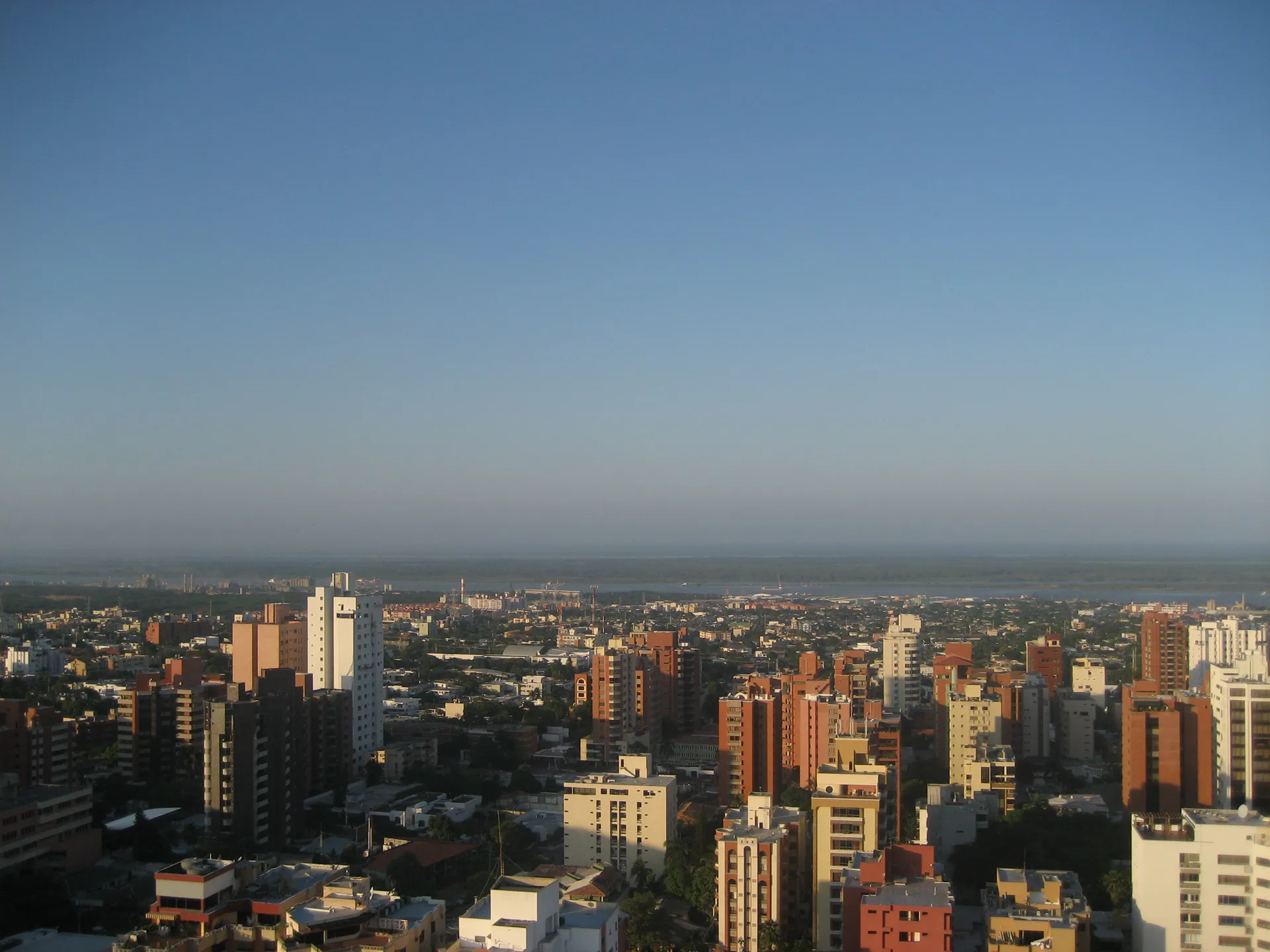
Barranquilla is one of Colombia's most affordable major cities, partly because it sits off the typical tourist trail. Prices have not inflated to the degree seen in Medellin or Cartagena, making it genuinely budget-friendly for remote workers.
A furnished one-bedroom apartment in northern neighborhoods like El Prado or Alto Prado runs roughly $435-685 per month. In more central or southern areas you can find studios from $220-345, though you sacrifice location and sometimes safety. Monthly groceries from a supermarket come to around $155-220. Eating out at a local restaurant costs $3.50-6 per meal; a sit-down dinner at a mid-range spot runs $16-28 per person. A hot-desk at a coworking space costs $28-47 per day or $180-220 per month. Local transport by TransMetro or bus costs a little under $1 per trip; an Uber or Didi ride across town is typically $2.50-5.50.
Estimated monthly total: USD 900-1,400 for a comfortable single nomad lifestyle, or as low as USD 700 if you live simply and cook at home. The power bill is the line newcomers underestimate. Air conditioning runs much of the day on this coast, and the regional supplier, Air-e, has been under government intervention since 2024 after a financial collapse, with tariffs among the highest in Colombia, so ask a landlord for recent bills before signing.
Where to Work
Barranquilla has a growing but still developing coworking scene. The city is not a nomad hub, so the ecosystem is smaller than Medellin's, but it is functional. Dedicated spaces like Monokuko Innova Space, MacondoLab (affiliated with Simon Bolivar University), and Regus Green Towers all offer reliable fiber internet, air conditioning, meeting rooms, and flexible day or monthly passes. Prices are competitive by Latin American standards.
Cafe culture for working is less developed here than in Bogota or Medellin. Some Juan Valdez locations and Starbucks branches are acceptable for a few hours with WiFi, and The Fit Bar Cafe in the north is a local favourite for laptop workers. However, you should not rely on cafe work as your daily routine the way you might in other Colombian cities.
Home internet in the northern residential zones is generally strong, with fibre connections from Claro, ETB, and Tigo widely available. Overall, WiFi reliability in dedicated coworking spaces is good; in cafes, it is inconsistent. A local SIM with data is cheap and useful as a backup.
Getting Around
Barranquilla is not a walkable city. Distances between neighborhoods are large, the heat is intense, and the sidewalk infrastructure is patchy outside the northern zones. You will rely on transport for most daily movement.
The TransMetro BRT system covers several major corridors with a rechargeable card; it is cheap and reasonably efficient during off-peak hours but crowded at rush hour. Traditional buses and minibuses (busetas) fill the gaps. For convenience, Uber, Didi, and Cabify all operate in the city and are the recommended option for most trips, especially after dark. Fares are low by international standards.
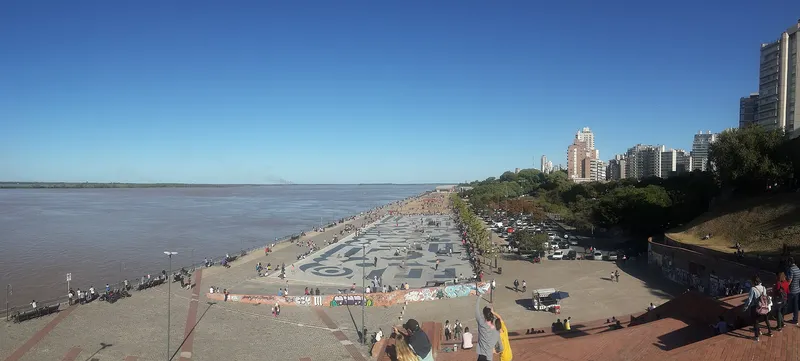
Ernesto Cortissoz International Airport (BAQ) is located roughly 10 km south of the city centre in Soledad. A taxi from the official airport queue or a ride-share app gets you to the northern residential areas in 20-35 minutes depending on traffic, for around $9.50-16. There is no metro or direct rail link to the airport. The Gran Malecon, a riverside promenade along the Magdalena with food stalls and an evening breeze, is the one place in the city built for walking. Santa Marta and Cartagena are each about two hours away by door-to-door shuttle or intercity bus, and the beaches at Puerto Colombia are under half an hour west, so weekends on the coast need no planning.
Sorting transport? Book an airport transfer, or compare car rental on Auto Europe and QEEQ.
Visas and Staying Long-Term
Citizens of the United States, Canada, the United Kingdom, all EU/Schengen countries, Australia, New Zealand, and roughly 100 other countries enter Colombia visa-free. You are normally granted 90 days on arrival. Before your initial 90 days expire, you can apply to Migracion Colombia for a one-time 90-day extension, giving you up to 180 days total in a calendar year.
Colombia offers a dedicated Digital Nomad Visa (Type V) for remote workers. It requires proof of monthly income of at least three times the Colombian monthly minimum wage, about $1,640 a month in 2026 and rising whenever the wage does, sourced from clients or employers outside Colombia. You also need private health insurance valid in Colombia. The visa is granted for up to two years. Processing takes two to four weeks. You must complete the Check-Mig immigration form online before each entry into Colombia.
Best Time to Visit
Barranquilla sits on the Caribbean coast and is hot year-round, averaging 28-29 degrees Celsius (82-84 degrees Fahrenheit) every month. There is no temperate season. The dry season runs from December to April, when trade winds from the northeast offer some relief and humidity drops slightly. This is the most comfortable window for outdoor activity and the most practical for remote work with fewer power interruptions from storms.
The famous Carnaval de Barranquilla takes place every year in February or March, just before Ash Wednesday. It is the second-largest carnival in the world and brings extraordinary energy to the city, but also crowds, higher accommodation prices, and noise if you need quiet to work.
The rainy season runs from May to November, peaking in September and October. Rain comes in heavy short bursts rather than all-day drizzle, so productive work days are still very possible. Flooding in lower-lying and poorer neighborhoods can be a practical problem. For pure remote work productivity, December through April is the best window.
Pros and Cons
- Affordable rent and food, 20-30% cheaper than Medellin and far below Cartagena
- Authentic city life with almost no tourist trap pricing or gringo-oriented businesses
- Warm Caribbean culture, Carnaval, and a genuinely welcoming local population
- Good international connectivity through a well-served international airport with direct flights to Miami, Bogota, and regional cities
- Growing business and startup ecosystem anchored by local universities and BPO industry
- Year-round warm weather if you enjoy a tropical climate
- Intense heat and humidity that many people find exhausting, especially from May onwards
- Not walkable and highly car-dependent outside a few northern blocks
- Small nomad community with fewer ready-made social structures than Medellin or Bogota
- Safety is uneven across the city; southern and central neighborhoods require extra caution and awareness
- Fewer laptop-friendly cafes compared to other Colombian cities
- English is rarely spoken outside hotels and major business environments
Who Barranquilla Is Best For
Barranquilla suits you well if you want to live cheaply in a real Colombian city without tourist inflation, you are comfortable navigating daily life in Spanish, and you value cultural immersion over a curated expat bubble. It works particularly well for solo nomads or couples on a tight budget who want to stay for one to three months and genuinely experience Caribbean Colombian life. People interested in salsa, Caribbean music, and Carnaval culture will find Barranquilla uniquely rewarding.
It is a good base if you have corporate or BPO contacts in Colombia, since the city has a significant professional business community. The airport connections also make it practical as a hub for exploring the Caribbean coast.
Skip Barranquilla if you rely on a large English-speaking nomad network, need a wide selection of laptop-friendly cafes, find sustained heat draining, or prefer the polished infrastructure and established nomad scenes of Medellin or Bogota. It also demands more patience and street smarts than either of those cities, and you should stick to the northern neighborhoods as your operational base. Anyone tied to US East Coast clients gains from the clock too: Colombia never changes its clocks, so the overlap with New York is the full working day in winter and only an hour off in summer.