Cost of Living in Barichara
Where this figure comes from. No cost survey covers Barichara, so the $900 a month above is our own estimate rather than a measurement. On 416 of our 999 city guides the figure is built from a published Numbeo basket, a one-bedroom rent in the centre plus one person's monthly costs without rent, converted to USD; this city is not one of them. How we source everything.
Barichara is an affordable base by Western standards, though it is not the cheapest corner of Colombia because its beauty and tourism draw visitors. A comfortable month for a remote worker typically lands somewhere between $700 and $1,100, depending on how you live. These figures are editorial estimates rather than exact quotes, since rents and menu prices shift with season and demand. Long-stay apartments are far kinder to the wallet than nightly guesthouse rates, and cooking at home stretches your budget further. Local set-lunch menus, fresh produce and regional transport are inexpensive, while imported goods and boutique cafes cost more. The rental market here is almost entirely informal, which cuts both ways. There is very little listed online and what is listed is priced for foreigners, so the flats that long-stayers actually take are found by asking in the plaza, at the bakery, or through whoever you rented from for the first week. Expect to pay in cash, monthly, with no contract. That also means no deposit protection and no recourse, so take a place you have seen and a landlord you have met. Utilities are cheap and the climate does the work of an air conditioner for free.
- Long-stay one-bedroom rental: roughly $350 to $550 a month
- Local set lunch (menu del dia): a few dollars per plate
- Coffee or a drink in a plaza cafe: modest, tourist-facing pricing
- Monthly groceries and market produce: budget-friendly and fresh
Where to Work in Barichara
Barichara is a tiny, slow colonial town and not a coworking hub, which is the first thing to settle before booking a month here. There are few, if any, dedicated coworking spaces, so most remote workers rely on cafes, guesthouse terraces and their own rentals. Internet exists but can be limited and inconsistent, so treat a solid connection as a bonus rather than a guarantee. Ask hosts directly about speeds before booking, and consider a local SIM with mobile data as a backup for video calls. The reward is atmosphere: whitewashed walls, birdsong and cobbled streets make for a calm, focused workday, provided your tasks do not demand heavy, uninterrupted bandwidth. Satellite terminals have changed the calculation in towns like this. Several guesthouses and long-let owners in these hills have installed them because the fixed lines never arrived, and a house with one is a completely different proposition from a house without. Ask specifically what the connection runs on rather than accepting a yes to a question about wifi. It also helps that a proper town sits thirty minutes down the road with a coworking floor, a supermarket and a hospital in it, which is close enough to make this village workable rather than isolating.
Getting Around Barichara
Barichara is wonderfully walkable, and walking is genuinely the point. The historic grid is compact, so you can cross the whole town on foot in minutes, wandering cobbled lanes between the plaza, viewpoints and the edge of the canyon. Cars feel almost unnecessary within the centre. For trips further afield, frequent minibuses and shared taxis connect Barichara with San Gil, the regional gateway for adventure sports and onward connections. From San Gil you can reach the Chicamocha canyon and beyond. The nearest major city and airport is Bucaramanga, a couple of hours away by road, making it your main long-distance link. The walk everyone comes for deserves its own note. The old stone road down to the neighbouring village takes about two hours, drops several hundred metres through dry canyon country, and is far easier downhill than up, which is why almost everyone walks it one way and takes the bus back. Start early, carry water, and check the last bus before setting off. In the town itself the stones are the local sandstone, laid flat and polished by use, and they are genuinely slippery when wet, which turns a steep lane into a hazard after an afternoon shower.
Sorting transport? Book an airport transfer, or compare car rental on Auto Europe and QEEQ.
Visas for Barichara
Most visitors arrive on a standard tourist entry, which commonly allows up to ninety days and can often be extended, giving you a generous window to settle in. For longer stays, Colombia offers a digital nomad visa, the Visa V for remote workers, aimed at people earning from foreign employers or clients. Requirements typically include proof of remote income and health coverage. Barichara itself has no special local visa process; you follow the same national immigration rules that apply everywhere else in Colombia. A practical detail that trips people up: the entry stamp is now issued digitally at most airports and there is often no physical mark in the passport at all, so the only record of how long you have been in the country is the electronic one. Take a photograph of the arrival screen or keep the email, because an extension office will ask and a border officer on the way out certainly will. Extensions are applied for online through the migration authority rather than in person, which is a genuine improvement, but the appointment to collect the result is in a city rather than a village like this one.
Best Time to Visit Barichara
Barichara sits in the Santander highlands, so its climate is mild and warm through the whole year, without the extremes of the tropical lowlands. Days are pleasantly warm and evenings cool gently, which makes almost any month workable. The main variable is rain rather than temperature. Colombia's drier stretches, broadly around December to March and again in July and August, tend to bring the clearest skies for walking the Camino Real to Guane and enjoying the canyon views. Wetter months are still lovely and noticeably greener, with occasional showers that rarely derail a day. Pack light layers and comfortable shoes whenever you come. The rain chart matters less here than two local rhythms. The town fills on Friday and empties again on Monday, because it is the standard weekend escape for the cities down in the valley, so a Saturday and a Tuesday here are different places and a monthly rent is priced for neither. And the annual film festival in the town, which has run for years and draws directors and audiences from across the country, takes over the plaza for a week and fills every bed for miles. Check the dates either to catch it or to avoid it, because there is no middle position.
Pros and Cons of Barichara
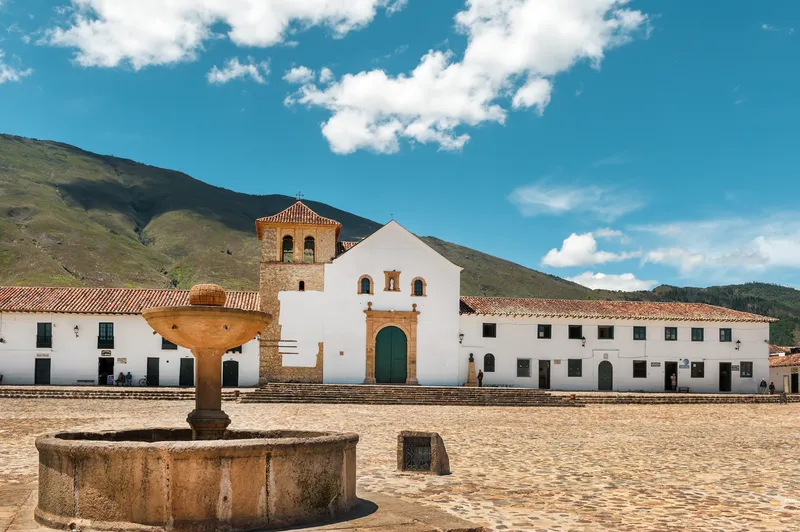
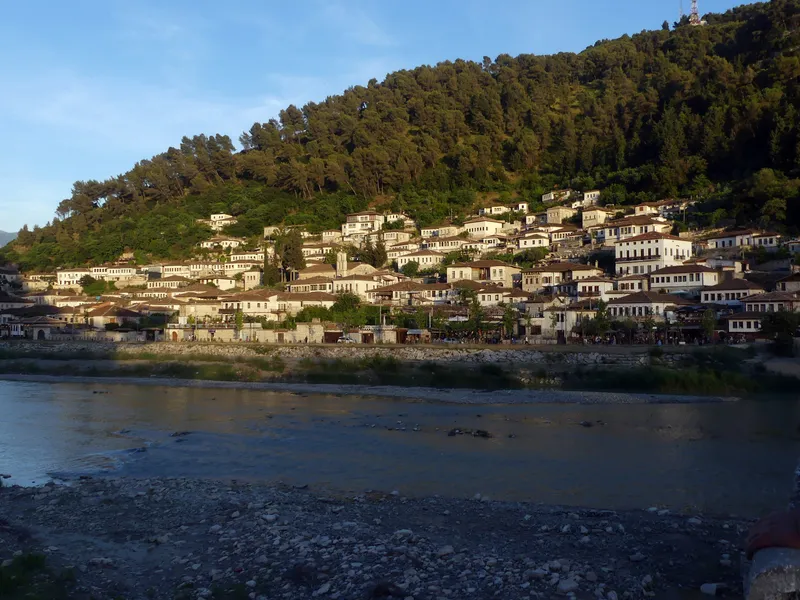
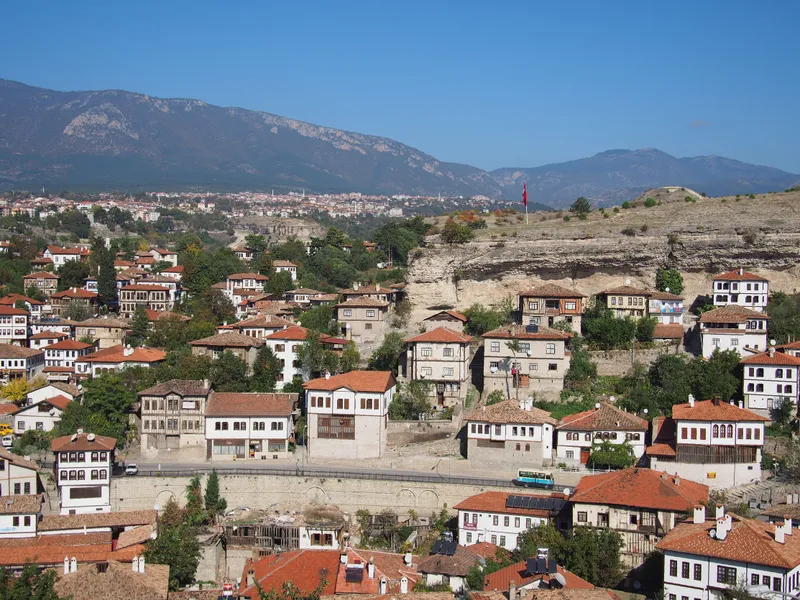
Barichara rewards a particular kind of traveller and gently frustrates another. Its greatest strengths are calm, beauty and authenticity: this is widely called the most beautiful town in Colombia, and daily life here is unhurried and genuinely restorative. The trade-offs are equally real. It is small and quiet, with limited internet, few coworking options and a modest nomad scene, so anyone craving nightlife, fast connectivity or a big social circle may feel restless. Weigh these honestly against what you want from a stay. Something belongs in that weighing and rarely appears. The town looks the way it does because it is legally required to: it has been a national monument since the 1970s, which governs the colour of the walls, the materials of the roofs and what can be built, and that regulation is the reason nothing here has been spoiled. It is also the reason renovation is slow and expensive and why the housing stock is what it is. The preservation you came for and the inconvenience you will notice are the same policy seen from two sides.
- Pros: stunning colonial setting, peaceful pace, safe feel, low costs, walkable, close to San Gil adventures
- Cons: limited and patchy internet, very few coworking spaces, small nomad community, quiet nightlife, Spanish essential
Who Barichara Is For
Barichara suits the remote worker who treats a location as a sanctuary rather than a stage. If you want a serene, artsy base to write, create, think or simply slow down, this town delivers in abundance, especially if your work tolerates a lighter, sometimes unreliable connection. It is ideal for solo travellers, couples and creatives who value cobbled quiet over crowds and cocktails. It is less suited to those who need dependable high-speed internet, a lively coworking crowd or buzzing nights out. Speak some Spanish, embrace the pace, and use nearby San Gil for adventure, and Barichara becomes a rare and memorable home base. Commit to a month first; three is where most people who love it end up. Beyond that the size starts to tell: there are perhaps a dozen places to eat, one supermarket, and few enough residents that everyone has worked out who the foreigner is inside a fortnight, which is charming and then is not. Anyone who lasts longer keeps a base here plus a standing day down in the valley town for the gym, the shopping and the company. And take the walking seriously, because the canyon country around this plateau is the actual reason to be here rather than the architecture.