Cost of Living in Guatapé
Where this figure comes from. No cost survey covers Guatapé, so the $1,000 a month above is our own estimate rather than a measurement. On 416 of our 999 city guides the figure is built from a published Numbeo basket, a one-bedroom rent in the centre plus one person's monthly costs without rent, converted to USD; this city is not one of them. How we source everything.
Guatapé is affordable by Western standards, though prices tick up on weekends when Medellin crowds arrive and lakefront demand spikes. A solo nomad can live comfortably on roughly $800 to $1,400 a month, depending on whether you rent a simple in-town studio or a lake-view cabin. Long-stay apartments are limited because the town leans heavily on short-term tourist rentals, so monthly deals reward those who negotiate directly or book off-season. Food, local transport, and everyday errands are genuinely cheap, while boat trips, the El Peñol climb, and tourist restaurants near the water cost more. Groceries are where staying put costs most, since the small markets in town stock a narrow range at resort prices, and long-stayers tend to do a monthly shop at the big supermarket chains in Rionegro on the way back from the airport. The paid outings are modest: the climb up El Peñol costs under $10 and a shared boat tour of the reservoir about the same, so the weekly excursions that make the place worth living in barely dent the budget.
- Budget in-town room or studio: $350 to $600 per month
- Lake-view apartment or cabin: $600 to $950 per month
- Set lunch (menu del dia): $3 to $6
- Mid-range dinner for two: $18 to $30
- Local SIM data plan: $8 to $15 per month
Where to Work in Guatapé
Heavy remote work asks more of this small lakeside resort than it can give: there is no nomad hub here, and the dedicated coworking that Medellin has in abundance is close to nonexistent. Most people work from laptop-friendly cafes around the Plazoleta de los Zocalos or from their accommodation. Wifi is variable and can slow noticeably on busy weekends when the town fills, so treat connectivity as something to verify rather than assume. A good local SIM from Claro or Tigo, ideally with a generous data plan and a hotspot backup, is close to essential for calls and deadlines.
- Buy a Claro or Tigo SIM and test hotspot speeds on arrival
- Ask your host for a real speed screenshot before booking longer stays
- Work mornings when town and networks are quietest
- Keep a backup plan for video calls, or schedule them from Medellin
Getting Around Guatapé
The colorful core is small and made for walking, with the zocalo streets and the Plazoleta easily covered on foot. Tuk-tuks (mototaxis) buzz around town for a dollar or two and are handy for reaching the lakefront or the road toward the rock. El Peñol, the giant monolith, sits a short ride out of town and rewards the 700-plus step climb with a spectacular reservoir panorama. Boats leave from the malecon for lake and island tours. For the wider region, buses and taxis connect Guatapé to Medellin in around two hours, and to Medellin's Jose Maria Cordova airport (MDE) near Rionegro, which is actually closer. Weekend traffic is the thing to plan around, because on Sunday afternoons and holiday Mondays the main road back to the city backs up and the two-hour bus can take far longer, so leave in the morning. The reservoir itself was flooded in the late 1970s for a hydroelectric dam, drowning the old town of El Peñol; a cross standing in the water marks its church, and the boat tours stop beside it.
- Walk the zocalo streets and Plazoleta; it is compact and flat enough
- Tuk-tuks for the lakefront, the bus terminal, and the rock road
- Boats from the malecon for island and reservoir tours
- Frequent buses to and from Medellin's Terminal del Norte (~2 hours)
- MDE airport near Rionegro is the practical gateway
Sorting transport? Book an airport transfer, or compare car rental on Auto Europe and QEEQ.
Visas for Guatapé
Guatapé follows Colombia's national rules, so nothing here is town-specific. Many nationalities, including citizens of the US, UK, EU, Canada, and Australia, receive a tourist entry (Permiso de Ingreso) on arrival, typically for up to 90 days. You can usually extend for another 90 days through Migracion Colombia, capped at 180 days within a calendar year. For longer stays, Colombia offers a digital-nomad visa aimed at remote workers earning foreign income, which allows a longer, more stable stay. Flying out of Rionegro needs the online Check-Mig form just as arriving does, and it opens only in the 72 hours before the flight, which makes it easy to forget on the morning you leave the lake.
- Tourist entry: commonly 90 days, extendable to 180 per year
- Digital-nomad visa: for remote workers with qualifying foreign income
- Extensions handled through Migracion Colombia
Best Time to Visit Guatapé
Sitting in the Antioquian highlands, Guatapé enjoys a near-eternal spring: mild days, cool evenings, and no real winter or summer. The bigger variable is rain. Drier stretches around December to March and again in July and August bring more reliable blue skies for the El Peñol climb and lake outings, while the wetter months of April to May and October to November mean frequent afternoon showers. Weekends and Colombian holidays are the busiest, when Medellin day-trippers pack the malecon and restaurants; midweek is calmer, quieter, and better for working. For scenery and space to breathe, aim for a dry-season weekday. Colombia moves about half of its 18 public holidays to the nearest Monday, which produces a long weekend most months, and each one fills the town from Saturday to Monday. The holiday calendar is published well ahead, so a monthly stay can be timed to dodge the worst of them, along with Holy Week and the late-December rush.
- Driest months: roughly December to March, plus July and August
- Wetter, showery months: April to May and October to November
- Weekends and holidays are crowded with Medellin visitors
- Midweek is quieter, cheaper, and easier for remote work
Pros and Cons of Guatapé
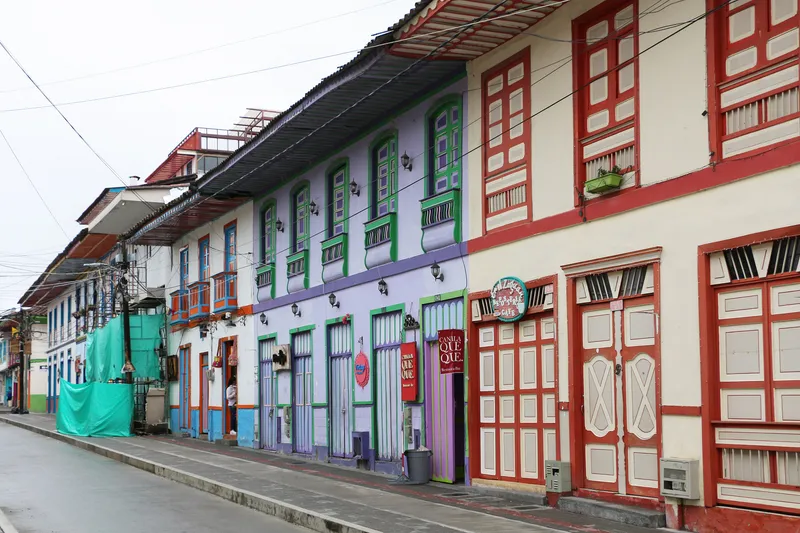
Guatapé trades on scenery, and it delivers: the painted zocalos, the towering rock, and the island-dotted reservoir make it one of Colombia's most photogenic towns. It is a lovely, low-cost, slower base for anyone who wants nature and calm within reach of a big city. The honest tradeoff is that it is small and heavily touristy, with a thin nomad community, limited English, modest nightlife, and wifi you cannot fully count on. Weekends can feel overrun. For many remote workers the smart play is to base in Medellin and treat Guatapé as a recurring weekender rather than a full-time home. Water sports are a genuine plus for an inland town, with kayaks and paddleboards for hire along the malecon and calm water most mornings. The reservoir is also a working hydroelectric lake, though, and in dry spells such as the 2024 El Niño the waterline drops far enough to leave wide muddy margins below the lakeside cabins.
- Pro: outstanding scenery, mild climate, and genuinely low costs
- Pro: relaxed pace and easy nature access near Medellin
- Con: small, very touristy, and packed on weekends
- Con: thin nomad scene, limited English, variable wifi
Who Guatapé Is For
Guatapé suits the nomad who prioritizes scenery, quiet, and outdoor life over community and infrastructure. If you want lake mornings, hikes, kayaking, and a colorful small town where you recognize faces within a week, this is a joy. It works especially well as a part-time base paired with Medellin: work-heavy weeks in the city, restorative stretches by the water. It is less suited to those who need dependable fast wifi, a busy coworking scene, nightlife, or a large ready-made social circle. Come for a few weeks, a monthly retreat, or regular weekends, and Guatapé rewards you. Expect a full-time nomad capital and you may feel its limits.
- Great for: nature lovers, slow-travel fans, Medellin-based nomads
- Great as: a weekender or monthly retreat base
- Less ideal for: those needing fast wifi, coworking, or nightlife
- Less ideal for: nomads wanting a large built-in community