Cost of Living in Bucaramanga
Real market data
Source: Numbeo · September 2026
$1,040/moSolo nomad1-bed centre + living costs
$1,490/moCoupleshared 1-bed + costs
$900/moLean / localcheaper area + costs
- 1-bed rent, city centre$470COL$1,490,000
- 1-bed rent, outside centre$330COL$1,066,667
- Monthly costs excl. rent (1 person)$570COL$1,829,799
- Meal, inexpensive restaurant$5COL$17,500
- Monthly transit pass$75COL$240,000
- Buy price, per m² (centre)$1,090COL$3,500,000
Prices are from Numbeo (September 2026), converted to USD at $1 = COL$3203.03 (01 Aug 2026). The monthly living-costs figure is our transparent one-person basket, groceries, a few meals out, utilities, phone, internet, transport and essentials, priced from those figures. Solo adds central rent; couple and lean are estimates from the same numbers.
Budget around $1,040 a month as a solo remote worker in Bucaramanga, which is cheaper than Medellin and considerably cheaper than Bogota for a city with much the same climate advantages. A one-bedroom flat runs roughly $250 to $450, with Cabecera and the newer developments in Floridablanca at the top of that range and the areas north of the centre well below it. Food is inexpensive and Santander's cooking is among the more distinctive in the country. The metro area spreads across four municipalities, so the neighbourhood matters more than the city average. The figure is built from Numbeo prices for Bucaramanga: a one-bedroom in the centre plus a one-person basket of food, transport and bills. Fibre runs about $15 to $25 a month, and coworking $80 to $150. The four-municipality spread matters financially as well as practically: Floridablanca and Piedecuesta are noticeably cheaper than Cabecera for the same standard, at the cost of a longer commute into the centre.
Where to Work in Bucaramanga
Bucaramanga has a small coworking market serving a local economy of health services, engineering and the oil sector in the wider department, with desks from roughly $80 a month. The Universidad Industrial de Santander gives the city a technical base that shows in the workforce. Fibre is widely available in the newer neighbourhoods at low prices and Colombian mobile data is cheap with good 4G coverage. Power is reliable. Spanish is essential, with English limited to the university and a handful of businesses, which is the main practical difference from Medellin. Colombia sits five hours behind GMT with no daylight saving, level with New York in winter and an hour behind in summer, which makes North American work straightforward and gives a workable European morning. That time zone is a large part of why Colombia has drawn remote workers at all, and it applies here as much as in Medellin.
Getting Around Bucaramanga
Bucaramanga sits on a plateau at around a thousand metres with the metro area spilling down the slopes into Floridablanca, Giron and Piedecuesta, which makes it larger on the ground than it appears. The Metrolinea bus rapid transit runs the main corridors and city buses cover the rest cheaply. Ride-hailing is widely used. Giron, a preserved colonial town, is fifteen minutes away and worth choosing as a base. Palonegro airport sits on a plateau across the canyon about forty minutes out. San Gil and Barichara are two hours south on a spectacular road. Palonegro's position on a mesa across the canyon means the approach is dramatic and the road down and up again takes longer than the distance suggests. The Chicamocha cable car spans the canyon in about half an hour each way and is the standard way to see it without driving the switchbacks. The highway through here is the main road between the capital and the Caribbean coast, which is why the lorry traffic is what it is, and the pass north over the mountains climbs above three thousand metres and is genuinely cold at the top.
Sorting transport? Book an airport transfer, or compare car rental on Auto Europe and QEEQ.
Visas for Bucaramanga
Colombia gives most Western nationals ninety days visa-free on arrival, extendable once to a hundred and eighty days within a calendar year, which is straightforward and widely used. The country also introduced a dedicated digital nomad visa in late 2022, open to remote workers and freelancers employed outside Colombia who can show a monthly income of at least three times the national minimum wage, about $1,640 a month in 2026, valid for up to two years. The application is handled online through the foreign ministry and is one of the more accessible schemes in the region. Health insurance covering the full stay is required. The ninety-day stamp is per entry rather than per year, but the hundred-and-eighty-day annual cap is enforced, so the common pattern of leaving to Panama and returning does not extend a stay beyond that ceiling. The nomad visa requires health insurance covering the full period, which is checked. A visa once granted has to be registered with the migration authority within a fortnight of arrival, and the foreigner identity card that follows is what banks and landlords will ask to see. Missing that window carries a fine that is easier to avoid than to argue about.
Best Time to Visit Bucaramanga
Bucaramanga is called the city of eternal spring by people who have not been to the other four cities that claim the title, and the climate genuinely is steady, sitting around twenty-three degrees most of the year with little seasonal variation. The distinction that matters is rain: April to May and October to November are the wetter months, with heavy afternoon storms, while December to March and July to August are drier and better for the paragliding and the canyon. Nothing about the calendar makes a month unworkable here, which is much of the appeal. The city sits at about 960 metres, which is what produces the steady climate: high enough to avoid the coastal heat and low enough to avoid Bogota's chill. Nights stay around eighteen degrees year-round and almost nobody has heating or air conditioning, which is the practical test of a genuinely steady climate. The city's own fair falls in September and is a week of music, bullring events and street parties that fills the hotels, which is worth knowing because it is the one time of year the accommodation market here behaves like a tourist city's.
Pros and Cons of Bucaramanga
Bucaramanga has a climate that barely moves, more parks than a city its size has any right to, and the Chicamocha canyon half an hour away with a cable car crossing it and some of the best paragliding in South America off the Ruitoque mesa. It costs less than Medellin and has a strong university culture. Almost no foreigners are here, English will get you nowhere on its own, and the city is plain to look at outside its parks, and Colombia requires the ordinary urban caution that the country's reputation still earns in places. Santander's cooking is genuinely distinctive rather than a regional variation: hormigas culonas, the large-bottomed ants eaten as a seasonal delicacy around Easter, are the example everyone cites, and cabro and pepitoria are the everyday version.
Who Bucaramanga Is For
The Medellin climate at a lower price, and without the crowd of foreign remote workers that changed Medellin character and its rents, if you speak Spanish. It is exceptional for anyone who paraglides or climbs, with the canyon and San Gil both close. Neither an English-speaking environment nor an established nomad scene exists in this city, and Spanish will be doing all the work from the first day. Anyone using the digital nomad visa will find the paperwork easier than the flight connections, which mostly route through Bogota. A Colombian city that foreign demand has not yet reshaped is getting harder to find every year, and this is one of the last of any size. Medellin and Cartagena both went the other way a decade ago. Proximity without the premium is part of the case. San Gil and Barichara are both a couple of hours south, and Barichara is regularly called the most beautiful town in Colombia, which is reflected in what it costs to sleep there rather than visit.
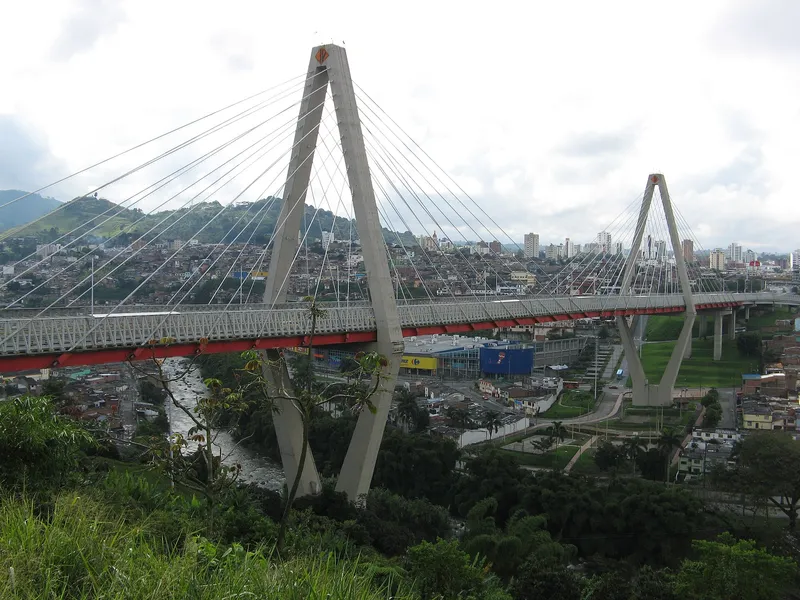
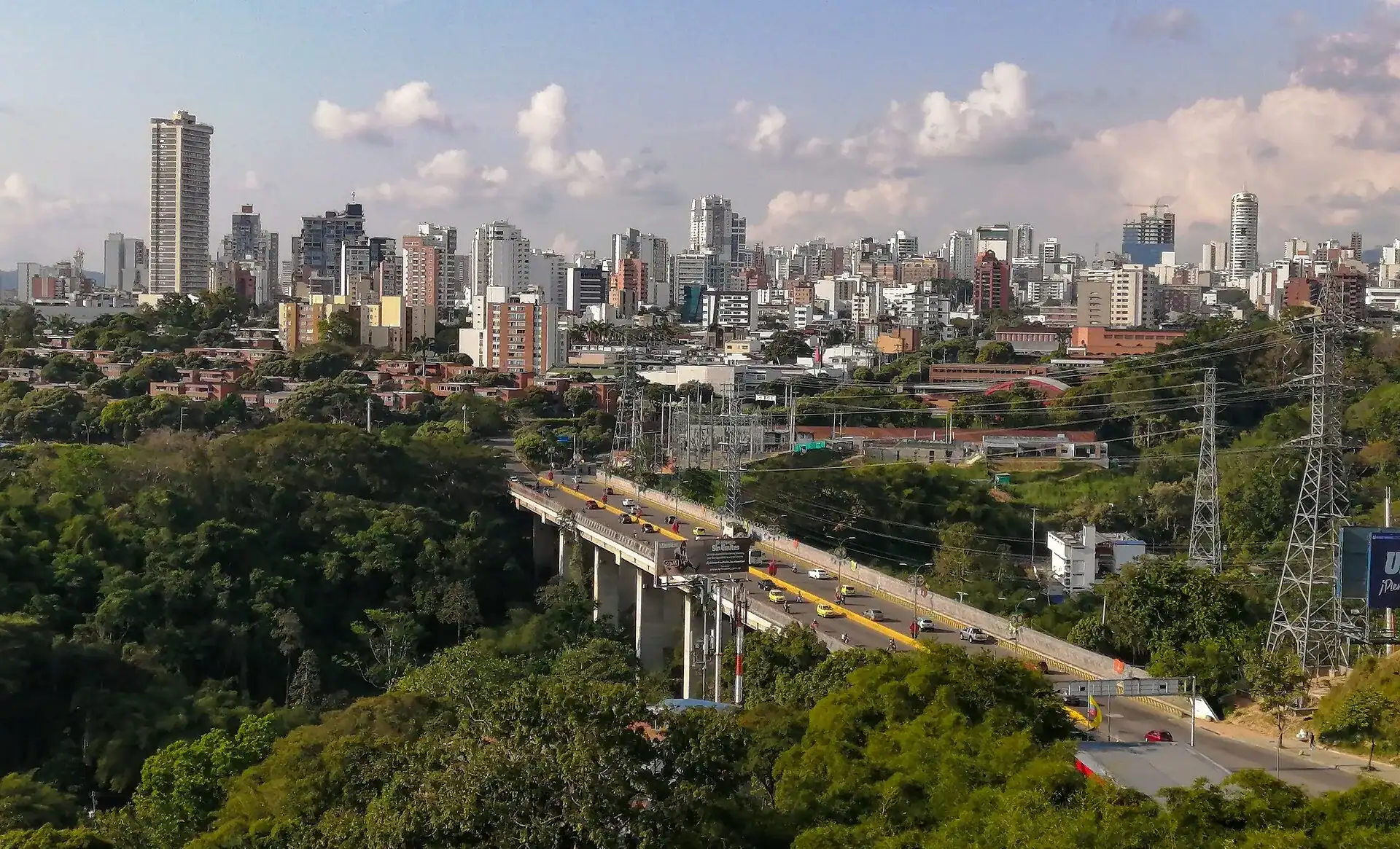 Photo: EEIM / Wikimedia Commons (CC BY-SA 4.0)