Cost of Living in Jardín
Where this figure comes from. No cost survey covers Jardín, so the $700 a month above is our own estimate rather than a measurement. On 416 of our 999 city guides the figure is built from a published Numbeo basket, a one-bedroom rent in the centre plus one person's monthly costs without rent, converted to USD; this city is not one of them. How we source everything.
Jardín is cheap by nomad standards, even by Colombian standards. A private room in a family-run guesthouse near the plaza runs roughly $19 to $31 a night, and monthly furnished apartments, when you can find them, land around $310 to $560, less than half of what similar space costs in Medellin. Everything is priced in Colombian pesos (COP) and cash is still king outside the biggest guesthouses; carry small bills for tuk-tuks, market stalls, and the panaderias. A set-menu lunch (comida corriente) at a local spot is $3.50 to $5.50, a plate of grilled trout with patacones at a nicer restaurant on the plaza is $8 to $12, and a tinto (small coffee) can be under $0.50 in a town literally built on coffee. A weekly grocery run for one person is roughly $25 to $41 if you stick to local produce and markets rather than imported goods, which are marked up and inconsistently stocked. Overall, a modest but comfortable monthly budget, rent included, sits around $500 to $800, making Jardín one of the more affordable coffee-region bases, though it lacks the volume of budget guesthouses you'd find in Medellin or Salento.
Where to Work in Jardín
Jardín has no dedicated coworking space. Instead, remote workers lean on the town's genuinely excellent cafe culture: places like Cafe Macanas and a handful of other coffee shops ringing the Parque Principal have tables, outlets, and decent wifi, and nobody minds a laptop out for a couple hours over a coffee. Wifi in Jardín is workable but patchy, mountain town internet with occasional dropouts, so this is not the place to build your business around back-to-back video calls without a backup plan. Many longer-stay guesthouses and Airbnbs now advertise fiber or Starlink, which is worth confirming before booking if your work is bandwidth-heavy. A mobile hotspot with a Claro or Movistar SIM is a sensible backup, since coverage is generally solid in town even though it thins out on the surrounding farm roads. Because there's no formal coworking scene, the "third place" culture here is looser and more social than in bigger nomad hubs: you'll end up working from the same two or three cafes and getting to know the regulars, which suits people who want a small-town rhythm rather than a networking-heavy work environment. This is a good base for focused solo work in short stints, less ideal if you need guaranteed uptime for client calls every day.
Getting Around Jardín
Jardín itself is small and entirely walkable, the plaza, the basilica, cafes, and most guesthouses are within a ten-minute stroll of each other. To get here from Medellin, the standard route is a bus from the Terminal del Sur (South Terminal) in Medellin, a winding mountain journey of roughly 4 to 5 hours through the southwest Antioquia cordillera; buses run several times a day and cost around $8 to $11. The road itself is scenic but genuinely winding, switchback after switchback, so anyone prone to motion sickness should plan accordingly and consider a front seat or medication. Within town and to nearby attractions, jeeps (chivas) and tuk-tuks are the workhorses: tuk-tuks zip around town for about a dollar, and colorful old jeeps head out to surrounding veredas, coffee farms, and trailheads on set routes or as private charters. A cable car (teleferico) climbs from the edge of town up to Alto de las Flores for panoramic valley views, a short and inexpensive ride. Renting a car is possible but rarely necessary given how compact the town is and how easily jeeps and tuk-tuks cover the rest.
Sorting transport? Book an airport transfer, or compare car rental on Auto Europe and QEEQ.
Visas for Jardín
Most Western nationalities, including the US, Canada, UK, EU, and Australia, receive a stamp of up to 90 days on arrival in Colombia, which can typically be extended for another 90 days at a Migracion Colombia office (not available locally in Jardín, so this means a trip to Medellin), for a maximum of 180 days within a 365-day period on that entry type. Colombia also offers a dedicated digital nomad visa (visa V, sometimes called the "nomad visa") for remote workers employed by or contracting for companies outside Colombia, generally requiring proof of income (at least three times Colombia's monthly minimum wage, about $1,640 a month in 2026), a remote work contract or freelance evidence, health insurance, and a clean background check; it's typically granted for up to two years and processed through a Colombian consulate or online portal before or shortly after arrival. Given Jardín's total lack of a local immigration office, any visa paperwork, extensions, or nomad visa formalities will mean coordinating from Medellin, so it's worth handling documentation before you settle into small-town life here.
Best Time to Visit Jardín
Jardín sits at roughly 1,750 meters, giving it a subtropical highland climate: pleasantly mild year-round, generally in the high teens to mid-20s Celsius (60s to mid-70s Fahrenheit), with no real "cold" or "hot" season, just wetter and drier stretches. The driest, sunniest windows fall roughly December through March and again in July and August, which is when the surrounding hills are greenest for hiking, the cock-of-the-rock viewing is easiest, and the waterfalls are more accessible without slick, muddy trails. Those same months line up with Colombian holiday periods (December to January, Semana Santa in spring, and mid-year school holidays), when Jardín gets genuinely busy with domestic tourists and prices for rooms tick up, so if you want a quieter, more local experience, aim for shoulder weeks just outside those peaks. The coffee harvest runs in two main flushes, a larger one roughly October to December and a smaller one around April to June, and visiting during harvest is the best time to see working coffee farms in full swing and to actually pick fruit if a finca offers that experience. Rainier months (April to May, September to November) bring more afternoon showers but rarely disrupt a whole day, and the town feels emptier and cheaper.
Pros and Cons of Jardín
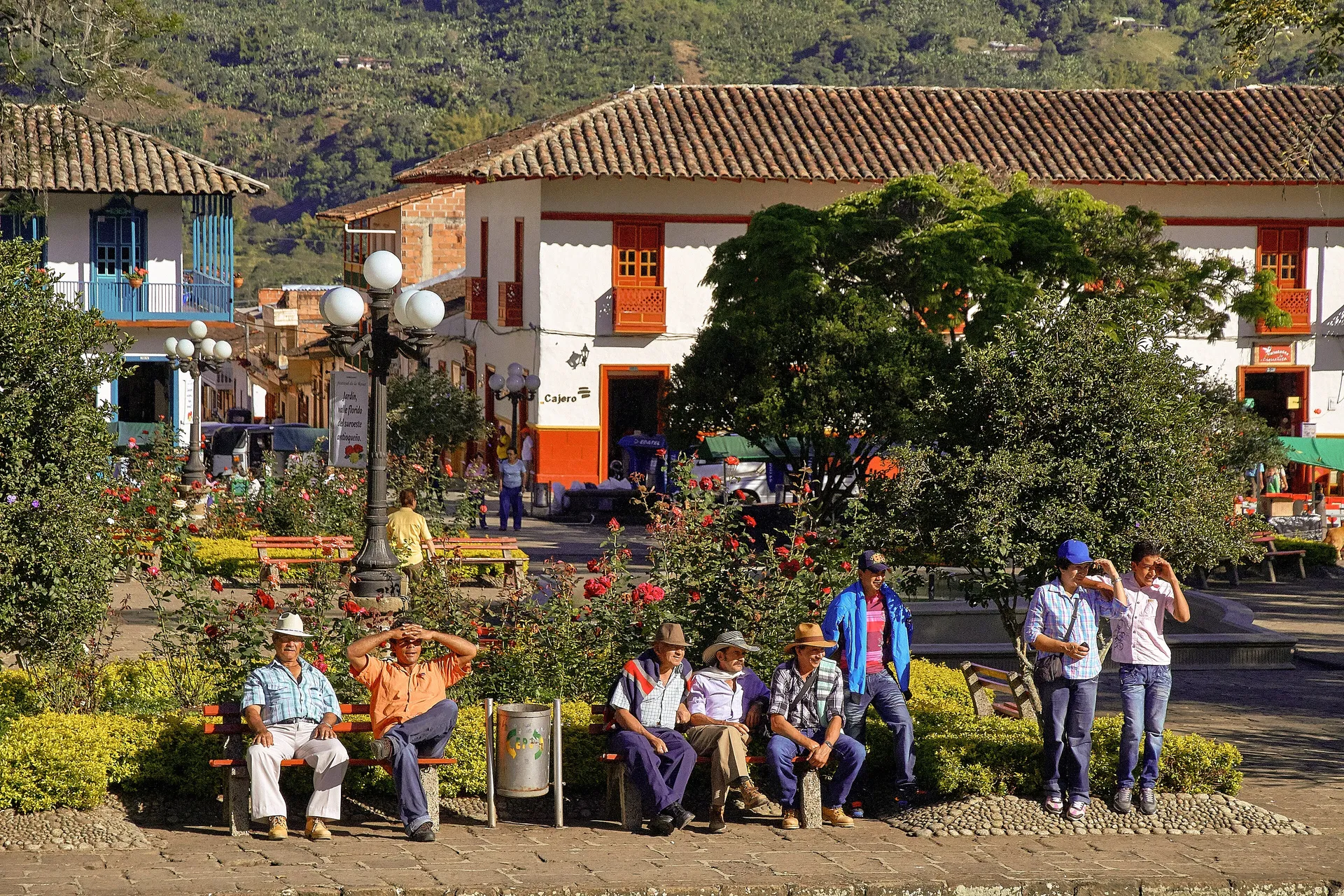
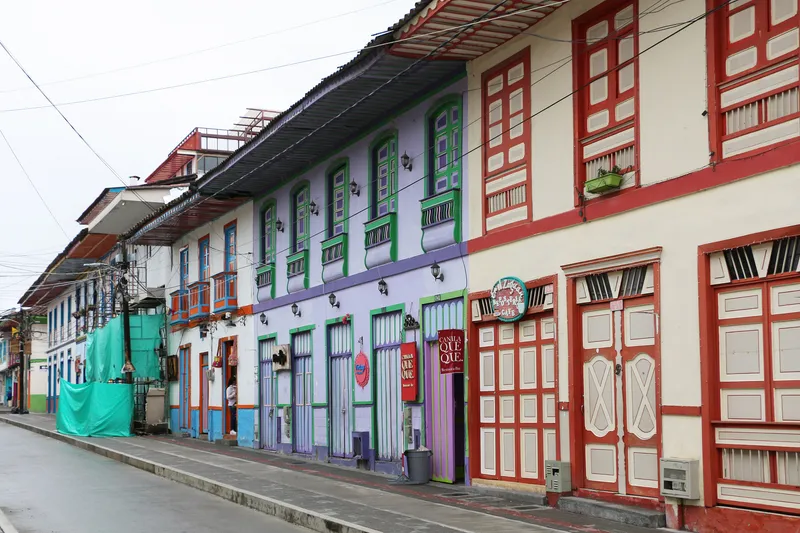
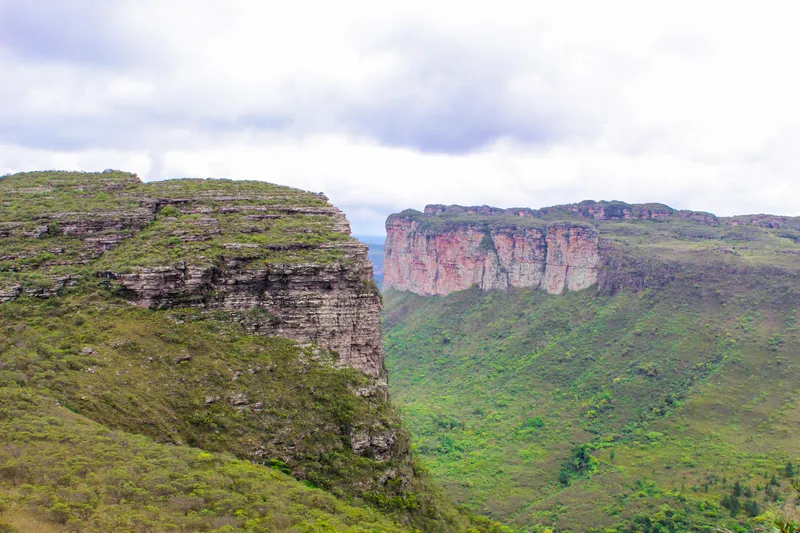
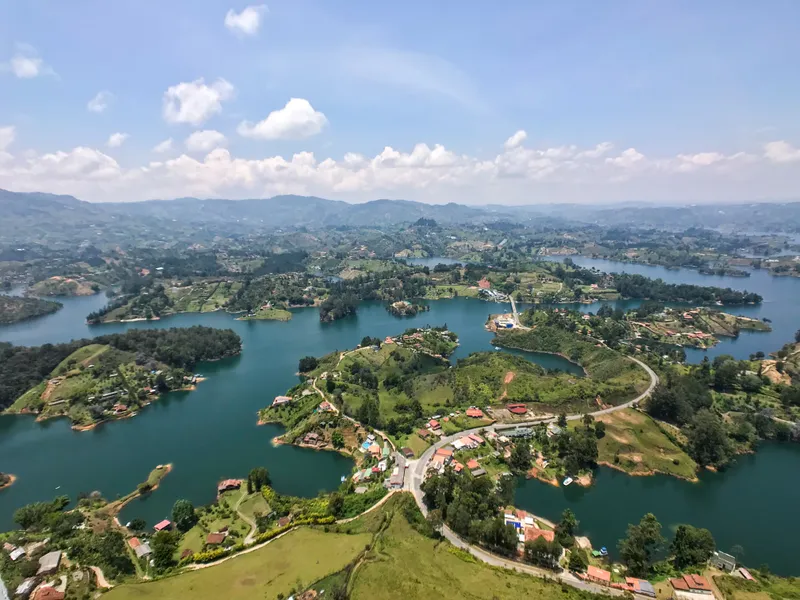
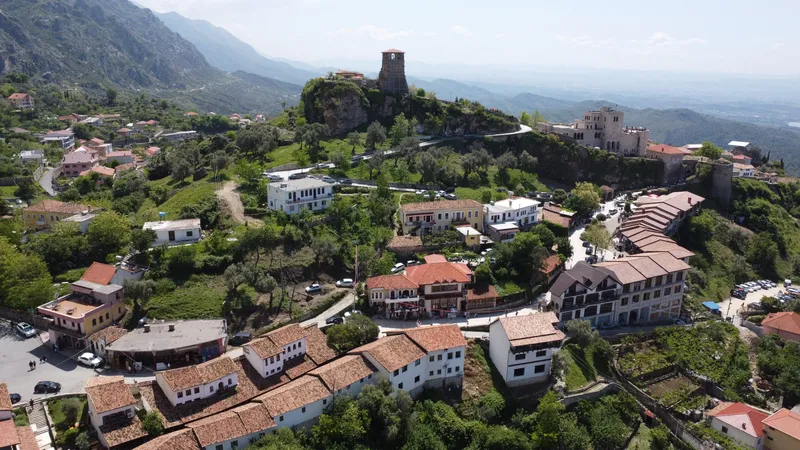
The upside is substantial: Jardín is one of Colombia's most beautiful small towns, a genuinely postcard-perfect plaza with a candy-colored neo-Gothic basilica, traditional wooden rocking chairs set out on cafe terraces, brightly painted balconies, and green cordillera slopes rolling out in every direction, dotted with coffee farms, waterfalls, and a cock-of-the-rock reserve within easy reach. It's cheap, it's safe by Colombian urban standards, the coffee culture is excellent and authentic rather than performative, and the pace of life is slow in a way that's genuinely restorative after bigger, noisier nomad hubs. The downsides are real too: the journey in is a winding 4 to 5 hour mountain bus ride from Medellin that isn't for everyone, English is limited, most transactions and daily life happen in Spanish, so a workable grasp of the language makes an enormous difference to quality of life here. Wifi is mid and occasionally patchy, there is no coworking space, remote-work infrastructure is improvised rather than purpose-built, and the town has essentially no nightlife beyond a few low-key bars, this is not a party destination. It also gets crowded and pricier during Colombian holiday weekends, briefly losing some of its tranquil small-town character.
Who Jardín Is For
Jardín suits nomads who want a genuine slow-travel, immersion-style stay rather than a plug-and-play coworking hub: photographers, writers, and remote workers with flexible schedules who can tolerate occasional wifi hiccups in exchange for waking up to mountain views and a plaza full of coffee and birdsong. It rewards people who already speak some Spanish or are actively motivated to learn, since English is genuinely limited outside a few tourism-facing businesses. It's a strong fit for coffee enthusiasts, hikers, and birders drawn to the nearby cock-of-the-rock reserve and waterfall trails, and for anyone burned out on bigger nomad cities who wants a quiet reset for a week or two rather than a permanent base. It's a poor fit for anyone who needs guaranteed high-speed internet for daily video calls, wants an active nightlife or large expat community, or is put off by a long, winding bus ride and limited onward transport options; those travelers are better served by Medellin, Salento, or a coastal hub with more built-out remote-work infrastructure.