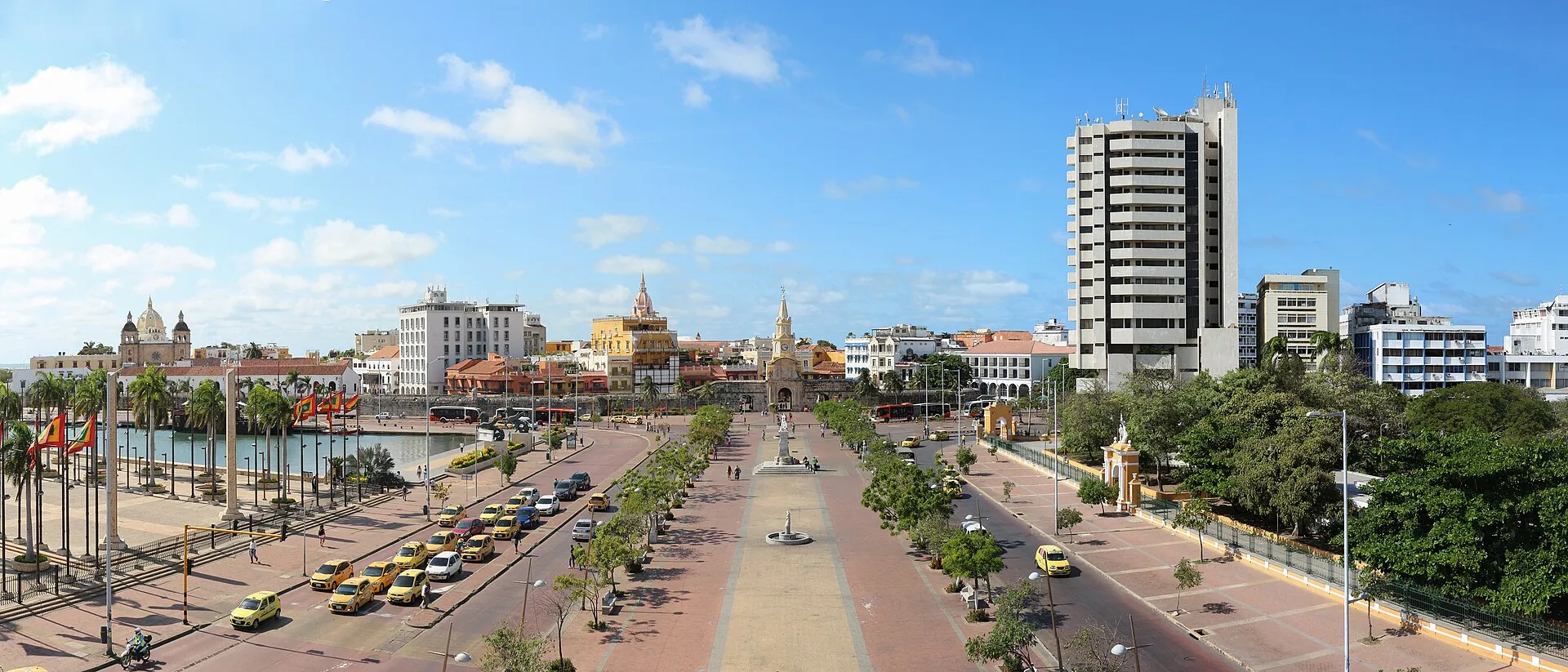
Panoramic view of Cartagena's historic old city with the Clock Tower gate and Cathedral
Photo: Bernard Gagnon / Wikimedia Commons (CC BY-SA 4.0)
Colombia flag

Cartagena

Colombia

Experience colonial romance on the Caribbean with colorful streets and salsa.

$2.000
Monthly Budget
--
Current Weather
Tropical
Climate Type
60 Mbps
Avg. WiFi Speed
5/10
Safety Score
2,000+
Active Nomads
--
Time Difference
Scroll
0
Nomad Score

Cartagena for Digital Nomads: The Honest Take

Experience colonial romance on the Caribbean with colorful streets and salsa. For remote workers, Cartagena leans on nightlife and easy visas, with a typical budget near $2,000 a month. The main trade-off is cleanliness.

Compare Cartagena vs Barranquilla →

Category Breakdown

How Cartagena scores across all 13 factors

Weather in Cartagena

Monthly averages from 2019-2023 (Open-Meteo), and the best time to visit

32°
24°
Jan
32°
24°
Feb
32°
24°
Mar
32°
25°
Apr
31°
25°
May
30°
25°
Jun
31°
25°
Jul
30°
25°
Aug
30°
25°
Sep
29°
25°
Oct
29°
25°
Nov
31°
25°
Dec
Daily high & low (°C)Rainfall (mm/month)Best months to visit

The best time to visit Cartagena for comfortable weather is Jan, Feb, Mar. The warmest month is Jan (around 32°C by day), and the wettest is Oct (about 208mm of rain).

Chasing good weather? See other cities that are warm in Jan, or plan a multi-city route around the seasons. Staying a while in Cartagena? Check visa options, your time-zone overlap and how far your budget stretches, or find it on the world map.

Historical monthly averages, not a forecast. Source: Open-Meteo.

Best Neighborhoods in Cartagena

Where to base yourself for the perfect nomad experience

Centro Histórico (Walled City)

$$$
Colonial & Romantic

Cartagena's UNESCO colonial jewel

The Walled City is Cartagena's heart - colonial architecture, colorful streets, and romantic plazas. It's UNESCO-listed and absolutely essential.

Best for: History lovers, romantics, and those seeking iconic Cartagena
✓ Pros
  • Stunning architecture
  • Historic atmosphere
  • Great restaurants
  • Walkable
✗ Cons
  • Very touristy
  • Expensive
  • Aggressive vendors

Getsemaní

$$
Artistic & Local

Cartagena's colorful artistic revival

Getsemaní is Cartagena's coolest neighborhood - street art, boutique hostels, and local character. It's where the city's creative energy thrives.

Best for: Backpackers, artists, and those seeking authentic Cartagena
✓ Pros
  • Street art
  • Local vibes
  • Affordable
  • Best nightlife
✗ Cons
  • Can be noisy
  • Some safety concerns
  • Gentrifying

Bocagrande

$$$
Beach & Modern

Cartagena's modern beach strip

Bocagrande is Cartagena's Miami - high-rise hotels, beach access, and modern amenities. It's less charming but offers beaches and infrastructure.

Best for: Beach lovers, families, and those seeking modern comfort
✓ Pros
  • Beach access
  • Modern hotels
  • Good restaurants
  • Safe
✗ Cons
  • No character
  • Beach vendors
  • Far from old city

San Diego

$$
Quiet Colonial

Cartagena's quieter colonial corner

San Diego is the Walled City's peaceful side - residential colonial streets, local restaurants, and authentic atmosphere without the tourist crowds.

Best for: Long-term stayers, those seeking quiet colonial charm
✓ Pros
  • Quieter streets
  • Local feel
  • Colonial beauty
  • Good restaurants
✗ Cons
  • Limited nightlife
  • Fewer shops
  • Can be too quiet

Castillogrande

$$$$
Upscale & Residential

Cartagena's upscale residential peninsula

Castillogrande is Cartagena's exclusive peninsula - luxury apartments, yacht club, and quiet beaches. It's residential and upscale.

Best for: Luxury travelers, long-term stayers seeking quiet
✓ Pros
  • Quiet beaches
  • Upscale living
  • Safe
  • Good restaurants
✗ Cons
  • Far from attractions
  • Limited nightlife
  • Requires transport

Cost of Living in Cartagena

Cartagena is one of Colombia's pricier cities for nomads, mainly because the tourist economy inflates rent in the most desirable areas. Expect to spend between $1,100 and $2,400 USD per month depending on where you live and how much you run the air conditioning.

  • Rent, central areas (Walled City, Bocagrande): 2,800,000-8,000,000 COP/month ($700-2,000 USD) for a furnished one-bedroom
  • Rent, cheaper areas (Manga, Cabrero, Pie de la Popa): 1,200,000-2,800,000 COP/month ($300-700 USD)
  • Electricity (with daily A/C): 300,000-600,000 COP/month ($75-150 USD); the heat is relentless and A/C is a real cost
  • Groceries (mostly cooking at home): 400,000-700,000 COP/month ($100-175 USD)
  • Eating out (local spots and occasional mid-range restaurants): 300,000-600,000 COP/month ($75-150 USD)
  • Coworking hot-desk: 36,000-60,000 COP/day ($8-15 USD), or 360,000-720,000 COP/month ($90-180 USD) on a monthly pass
  • Local transport (taxis, Cabify, buses): 100,000-200,000 COP/month ($25-50 USD)
  • Total realistic range: $1,100-2,400 USD/month

Budget travelers who rent outside the tourist core and rely on Transcaribe buses can get by closer to $1,100. Living in Bocagrande or the Old City with A/C running all day pushes you toward $2,000-2,400.

Where to Work

Cartagena has a small but functional coworking scene. TuWork in Bocagrande is the most professionally polished option, with fiber-optic internet, private offices, showers, and a quiet outdoor terrace. It rates 4.7 out of 5 and is the best daily-rate choice. Cowork Cartagena sits in the Convention Center just outside the Walled City in La Matuna, offering rooftop harbor views and 3D printing alongside the usual desks. Virtualis Centro de Negocios in Manga is a smaller boutique option with high-speed fiber and a quieter residential atmosphere.

Cafe culture for work is real but patchy. Abaco Libros y Cafe in the Walled City is the classic pick: good espresso, books on the shelves, and a calm atmosphere that tolerates laptops. Juan Valdez branches in Bocagrande and Getsemani offer reliable A/C and consistent WiFi, which makes them practical backup spots. Avoid trying to work from the old-city tourist plazas as the ambient noise and intermittent street WiFi make it impractical.

Typical coworking WiFi runs 50-80 Mbps download, which is fine for calls and file work. Home fiber (for long-term stays) costs $20-40/month and is generally stable. The biggest WiFi risk is power outages during heavy rain, which happen occasionally in the rainy season.

Getting Around

The tourist core of Cartagena, covering the Walled City, San Diego, and Getsemani, is compact and walkable. You can cover most of it on foot in 20-30 minutes, though the heat and humidity make long walks in the middle of the day uncomfortable.

Beyond walking, Cabify and InDrive are the most reliable app-based options. Uber operates but with inconsistent availability. Local taxis do not use meters, so agree on a price before getting in; typical cross-city fares run 8,000-20,000 COP ($2-5 USD). Transcaribe, the city's bus rapid transit system, covers longer routes for around 2,000 COP ($0.50) per trip and is the cheapest way to commute between Bocagrande, Getsemani, and the center.

Airport: Rafael Nunez International Airport is roughly 10-15 minutes from the Old City by car. A taxi from the airport kiosk (use the official kiosk inside arrivals to get the correct rate) costs about 20,000-35,000 COP ($5-9 USD) to most central neighborhoods. Metrocar buses also connect the airport to downtown for around 2,000 COP if you travel light.

Visas and Staying Long-Term

Citizens of the US, Canada, UK, Australia, most EU countries, Japan, and many others enter Colombia visa-free for up to 90 days. You can extend once at a Migración Colombia office for an additional 90 days, bringing your total to 180 days per calendar year. The extension fee is roughly 100,000-200,000 COP ($25-50 USD).

Colombia launched a Digital Nomad Visa (Visa de Nómada Digital) that grants up to two years of legal stay. You must prove a monthly income of at least three times Colombia's minimum wage (around $1,100 USD as of 2025), show proof of remote work for a foreign employer, carry Colombian health insurance, and submit a complete document package. Processing takes 2-4 weeks and the application is handled online through the Cancillería portal.

Always verify current requirements at colombia.travel or the official Cancillería website before applying, as rules and income thresholds change.

Best Time to Visit

Cartagena is a coastal Caribbean city that stays hot (26-33 C / 78-91 F) year-round. It has two rough seasons: a dry period from December through April and a wetter period from May through November, with October being the wettest month.

For remote work, the dry season (December through April) is the most comfortable window. You get clear skies, a reliable sea breeze, and fewer power interruptions. It is also peak tourist season, which means higher rents on short-term leases and busier neighborhoods.

The rainy season brings afternoon downpours, higher humidity, and the occasional connectivity hiccup, but it also means lower prices and thinner crowds. If you are renting for several months and can lock in a long-term rate, May through August is a reasonable compromise: the rains are lighter than September-October and short-term costs are softer.

Pros and Cons

  • Pro: Stunning colonial architecture and a genuinely beautiful historic core
  • Pro: Caribbean coast access with beaches a short taxi ride away
  • Pro: Rich food scene from cheap street ceviche to world-class fine dining
  • Pro: Walkable Old City with strong cafe culture for short work sessions
  • Pro: Shorter tourist visa for a quick trip; proper digital nomad visa available for longer stays
  • Pro: Direct flights from major US and European hubs
  • Con: Heat and humidity are intense year-round; high electricity costs if you rely on A/C
  • Con: Noticeably more expensive than Medellin or Bogota for rent in tourist areas
  • Con: Coworking scene is thin compared to Colombia's bigger cities
  • Con: Petty theft and tourist-targeting scams are common; street smarts required
  • Con: Rainy season can disrupt power and internet reliability
  • Con: Smaller expat and nomad community than Medellin, so it can feel isolating for long stays

Who Cartagena Is Best For

Cartagena works well for nomads who value atmosphere over amenity. If you want a visually striking base with Caribbean beaches nearby, excellent seafood, a colorful local culture, and do not mind paying a premium for a central apartment, you will enjoy it. It suits people on shorter stays of one to three months who want to absorb the city, and those who prioritize lifestyle over coworking infrastructure. It also works well as a wintering-in-place destination for people coming from cold climates who can handle the heat trade-off.

Skip it if you need a large, active nomad community, a deep bench of affordable coworking, or cool temperatures for focused work. It is also a poor fit for anyone on a strict shoestring budget who wants to stay in a central, comfortable neighborhood. Medellin or Bogota will serve that profile better.

Where to Stay in Cartagena

Top neighborhoods and accommodations for digital nomads

Bondo Hometel

Aparthotel
Marbella

Beachfront aparthotel with full kitchens, two pools, and free WiFi just 5 minutes from the historic center.

Check availability →

Casa Claver Loft Boutique Hotel

Boutique hotel
Historic Center

Colonial loft suites with kitchens and fast WiFi in the heart of the walled city, ideal for longer stays.

Check availability →

Selina Cartagena

Hostel
Getsemani

Purpose-built coworking hostel in a restored colonial building with dedicated work spaces, two rooftop pools, and daily activities.

Check availability →

Viajero Cartagena Getsemani Hostel

Hostel
Getsemani

Well-rated hostel in a colonial house steps from Plaza Trinidad with rooftop pool, free WiFi, and a welcoming social scene.

Check availability →

Playa Cartagena Apartments

Serviced apartments
Bocagrande

Beachfront serviced apartments with kitchens, balconies, infinity pool, and reliable WiFi suited for medium-length remote work stays.

Check availability →

Browse apartments, aparthotels and hotels across Cartagena. Compare prices and book a base that suits a remote-work stay.

See available stays in Cartagena →

Affiliate link. See our disclosure.

Best Coworking Spaces

Where nomads get work done in Cartagena

TuWork

Professional coworking
Bocagrande

Polished space with fiber-optic internet, private offices, showers, lockers, and a sunlit outdoor terrace.

Visit website →

Cowork Cartagena

Coworking space
La Matuna

Bright, modern workspace in the Convention Center with a rooftop terrace overlooking the harbor.

View on Maps →

Virtualis Centro de Negocios

Business center
Manga

Boutique coworking space in the residential Manga neighborhood with high-speed fiber and a quiet setting.

View on Maps →

Imanu Coworking

Coworking space
Bocagrande

Well-reviewed coworking space in Bocagrande offering hot desks and private offices with reliable internet.

View on Maps →

Abaco Libros y Cafe

Bookshop cafe
Centro Historico

A beloved bookshop cafe in the Walled City serving quality Colombian coffee in a calm, laptop-tolerant atmosphere.

View on Maps →

Juan Valdez Cafe Bocagrande

Cafe chain
Bocagrande

Reliable air-conditioned cafe with consistent WiFi and Colombian coffee; a practical backup workspace in Bocagrande.

Visit website →

Where to Eat & Drink

Best food and drink spots in Cartagena

Celele by Proyecto Caribe Lab

Colombian fine dining
Getsemani

Ranked in the World's 50 Best and Latin America's 50 Best; inventive Caribbean Colombian tasting menus using local ingredients.

Visit website →

La Cevicheria

Seafood
San Diego

Long-standing seafood institution made famous by Anthony Bourdain; fresh ceviche and coastal Colombian dishes.

Visit website →

Carmen Cartagena

Colombian fusion
Centro Historico

Upscale Colombian fusion restaurant with Le Cordon Bleu-trained chefs and a refined menu in the historic center.

View on Maps →

La Cocina de Pepina

Colombian home cooking
Getsemani

Affordable, hearty Colombian home cooking with a neighborhood feel; popular with locals and budget-conscious visitors.

View on Maps →

Salon Tropical

Seafood with live music
Getsemani

Fresh seafood sourced directly from local fishermen, served with live cumbia music in a lively Getsemani setting.

View on Maps →

Vueltabajero Salsa Bar

Salsa bar
Getsemani

Energetic locals-favorite bar where serious salsa dancing happens on weekends; cheap beer and a genuine Getsemani vibe.

View on Maps →

What Do Nomads Say?

Vote on how accurate these scores are based on your experience

Cities with a Similar Vibe to Cartagena

Different places that score alike across our 13 categories, if you like Cartagena, these tend to feel similar.

In the rankings

Where Cartagena ranks

Cartagena features in 1 of our 32 city rankings.

  1. 3Best cities in Colombia
  2. Best cities in Latin America

Frequently Asked Questions About Cartagena

How much does it cost to live in Cartagena as a digital nomad?

A comfortable nomad budget in Cartagena is around $2,000 a month: a furnished rental, food, coworking, and getting around. Live a little outside the center or eat local to spend less.

Is the internet fast enough for remote work in Cartagena?

With a WiFi score of 6/10, connectivity in Cartagena is workable for calls and focused work. A prepaid local SIM keeps you online when you are away from the apartment.

Is Cartagena safe for digital nomads?

Cartagena scores 5 out of 10 for safety in our ratings, which is workable for solo travel and long stays. Use normal precautions at night and with valuables, and choose well-reviewed areas.

Is Cartagena a good city for digital nomads overall?

For nomads, Cartagena is worth a look if you value nightlife and easy visas. Costs sit near $2,000 a month and the community keeps growing, though, like anywhere, it will not match every checklist.