Cost of Living in Filandia
Where this figure comes from. No cost survey covers Filandia, so the $700 a month above is our own estimate rather than a measurement. On 416 of our 999 city guides the figure is built from a published Numbeo basket, a one-bedroom rent in the centre plus one person's monthly costs without rent, converted to USD; this city is not one of them. How we source everything.
Filandia is one of the cheapest bases in Colombia's coffee region, cheaper than Salento and well below Medellin or Bogota. A private room in a family-run guesthouse runs roughly $19 to $31 a night, while a monthly furnished apartment or finca rental near the plaza can be found for $375 to $685 if you negotiate directly with owners rather than booking through an app for the whole stay. Meals at a local corrientazo (set lunch) cost $3.50 to $5.50, a coffee at one of the plaza cafes is $1 to $2, and a trout dinner with sides runs $8 to $12. Groceries from the weekly market and small tiendas are inexpensive, though imported goods and specialty items cost more since everything is trucked up from Armenia. All prices are in US dollars, and a comfortable monthly budget including rent, food, and local transport lands somewhere between $625 and $1,090 for a single remote worker, noticeably less if you cook at home and stay outside peak holiday weeks.
Where to Work in Filandia
Honestly, there is no dedicated coworking space in Filandia as of this writing. Remote work here means working from cafes on or near the Parque Sucre, several of which serve good local coffee, have decent seating, and tolerate laptops for a few hours if you keep ordering. A handful of guesthouses and fincas advertise a "workspace" but this usually means a table with a view rather than a proper desk setup, and dedicated ergonomic seating is rare. This is a small town: expect to build a work routine around one or two reliable cafes rather than a rotating menu of options like you would find in Medellin. If you need consistent quiet hours, working from your rental in the morning and heading to a cafe in the afternoon is the common pattern among the nomads who do pass through. Power and connection can both drop in the heavy afternoon storms of the wet months, so keep the laptop charged and carry a Claro data plan, the operator with the widest coverage in rural Quindio, before any call that matters.
Getting Around Filandia
The town center is small and entirely walkable, with the plaza, main shops, and most guesthouses within a ten-minute walk of each other. To get here, the usual route is a bus from Armenia (about 45 minutes to an hour) or from Pereira (roughly an hour to an hour and a half), both running frequently through the day from each city's terminal. Once in the coffee region, willys (classic jeeps) are the workhorse for reaching outlying fincas, the Barbas-Bremen reserve, and connecting to Salento, which is only about 20 to 30 minutes away by road. The roads through the hills are winding and can be slow, especially with the two-lane mountain highways connecting towns, so factor in extra travel time versus straight-line distance. A car is unnecessary for daily life in town but useful if you plan to explore the surrounding coffee farms independently rather than by jeep or tour. Both regional airports, Armenia's El Eden and Pereira's Matecana, are roughly an hour or a little more by road and both have direct flights to Bogota, so choosing between them usually comes down to the fare that day. Fog rolls up from the valleys at dusk on these mountain roads, which is a good reason to schedule airport runs in daylight.
Sorting transport? Book an airport transfer, or compare car rental on Auto Europe and QEEQ.
Visas for Filandia
Most nomads enter Colombia and receive a stamp allowing up to 90 days as a tourist, which can typically be extended for another 90 days at a Migracion Colombia office (not available locally in Filandia itself, so this means a trip to Armenia or Pereira), for a maximum of 180 days per year as a tourist. Colombia also offers a dedicated digital nomad visa (visa V) for remote workers with a foreign income, valid for up to two years, which is worth pursuing if you intend to stay longer or return regularly, since border runs get tedious. Because Filandia is a small town without an immigration office or much English-language bureaucratic support, plan visa paperwork and extensions around trips to a bigger city rather than expecting to handle it locally.
Best Time to Visit Filandia
Sitting around 1,900 meters in the coffee region, Filandia has a spring-like highland climate year-round, with mild days and cool nights, so there is no bad season temperature-wise. The drier, sunnier stretches fall in December through February and again in July through August, which make for the best hiking, mirador views, and jeep trips into the hills, but these are also Colombia's peak domestic holiday periods, so the town gets busy, accommodation prices rise, and the winding roads to Salento can see real traffic. The shoulder months outside those windows bring more rain and mist but far fewer crowds and lower prices, which many longer-stay remote workers actually prefer for a quieter work routine. The coffee harvest gives the year a second rhythm: the main picking in Quindio runs roughly from October to December and the smaller harvest, the mitaca, around April to June, and a finca visit in either season shows cherries being picked, pulped and dried for real rather than as a demonstration.
Pros and Cons of Filandia
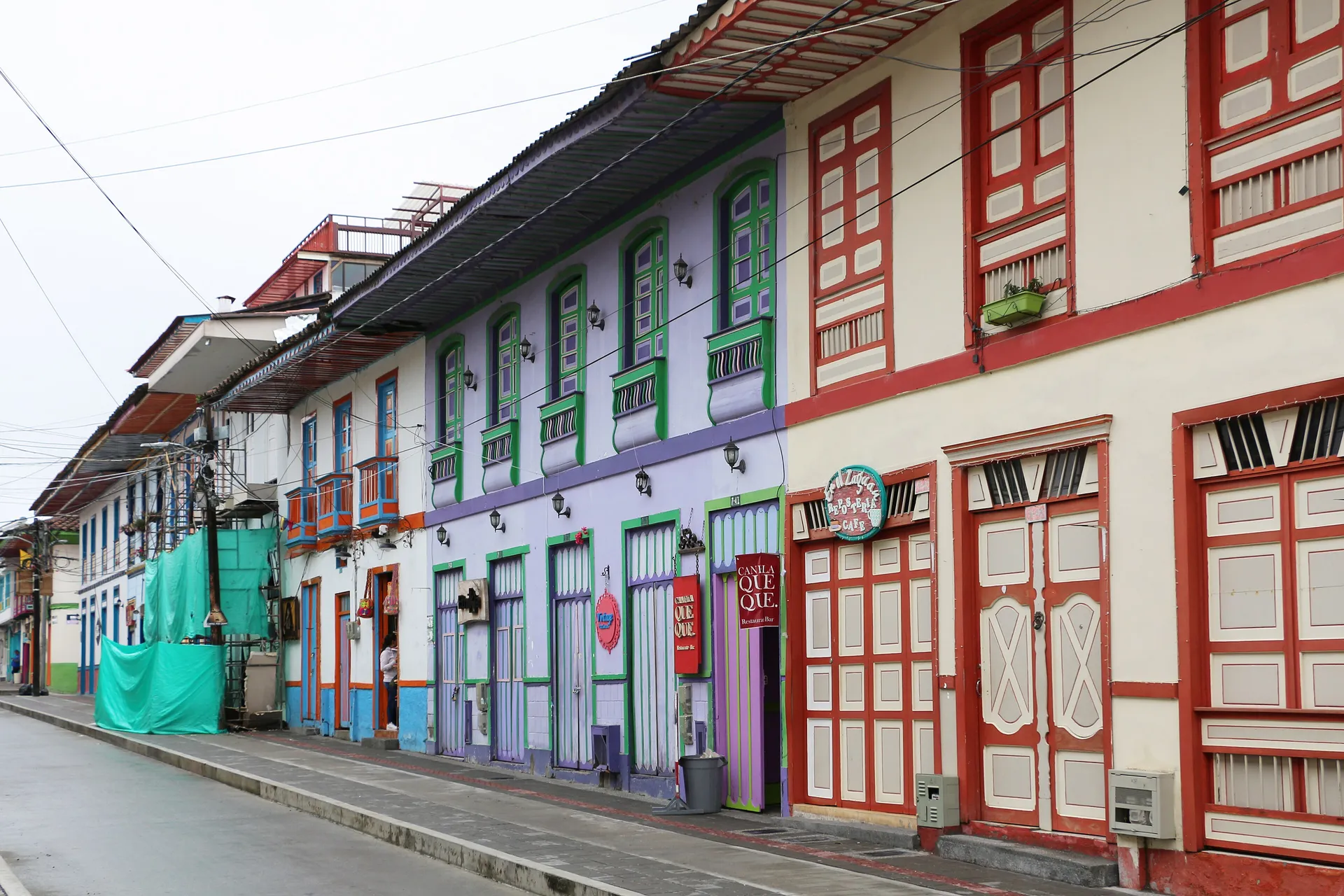
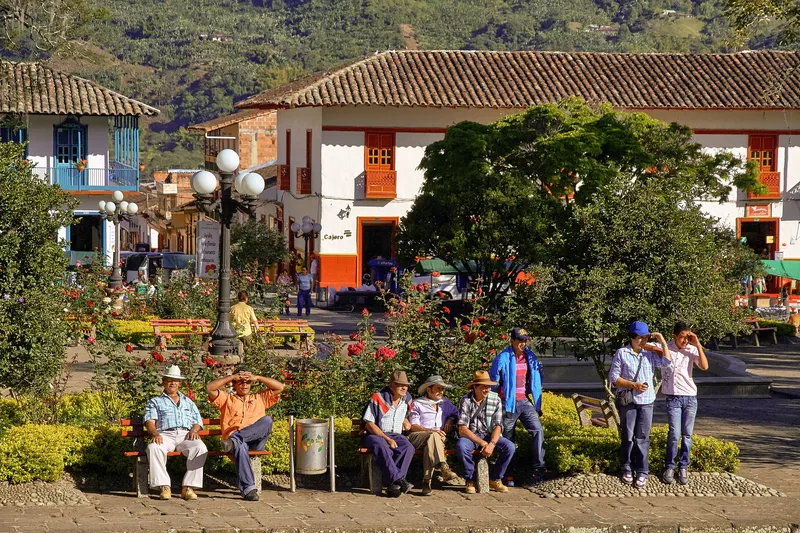
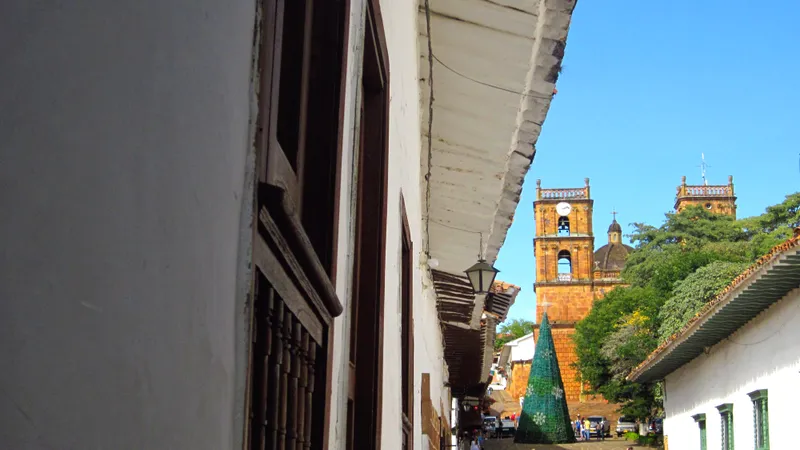
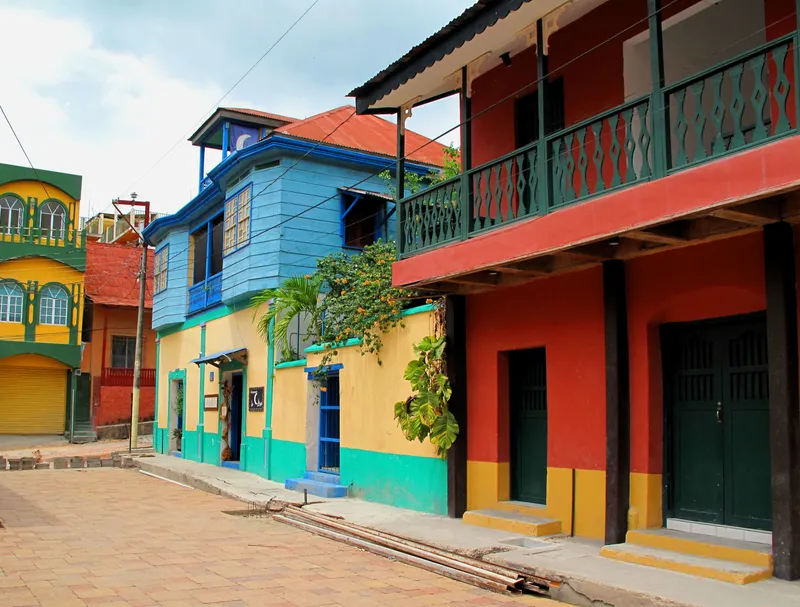
The pros: a genuinely beautiful, colorful colonial town with balconied houses around a lively plaza, the striking wooden Mirador Colina Iluminada lookout tower with panoramic views over the coffee valleys, easy access to the UNESCO Coffee Cultural Landscape and the Barbas-Bremen reserve, a slower and cheaper pace than nearby Salento, and genuine warmth from locals. The cons, honestly stated: very limited English is spoken outside a few tourism-facing businesses, so basic Spanish goes a long way; wifi is mid and patchy, fine for email and browsing but not always reliable for video calls or large uploads; there are no dedicated coworking spaces; the town is genuinely small with limited nightlife or entertainment beyond a few bars; and the winding mountain roads mean travel to bigger cities or the airport takes real time. The town's basket-weaving tradition, baskets woven from forest vines, is still alive in workshops near the plaza, so a souvenir here can be bought from the person who made it. Against that, the old houses are built in bahareque, bamboo and earth, and with nights falling to around 13 degrees and no heating, rentals can feel damp and chilly.
Who Filandia Is For
Filandia suits remote workers who want a quiet, low-cost, visually stunning small-town base in Colombia's coffee region and who don't need bulletproof wifi or a coworking scene to be productive, more of a "work from a cafe table, hike in the afternoon" lifestyle than a laptop-hustle hub. It is a strong fit for slower travelers, photographers, coffee enthusiasts, and anyone who prefers Salento's charm without Salento's crowds and prices. It is a poor fit for anyone needing dependable high-speed internet for calls, an active coworking or networking scene, or English-language convenience for daily errands, those travelers are better served by Medellin or a larger coffee-region hub. Birders are another natural fit: the Barbas-Bremen cloud forest, a short ride from town, shelters red howler monkeys and a rich list of Andean birds, and dawn walks there are the best way to see them. Spanish learners also do well, because nearly every errand here has to be done in Spanish, which turns a month of shopping and bus rides into daily practice.