 Porto
 Valencia
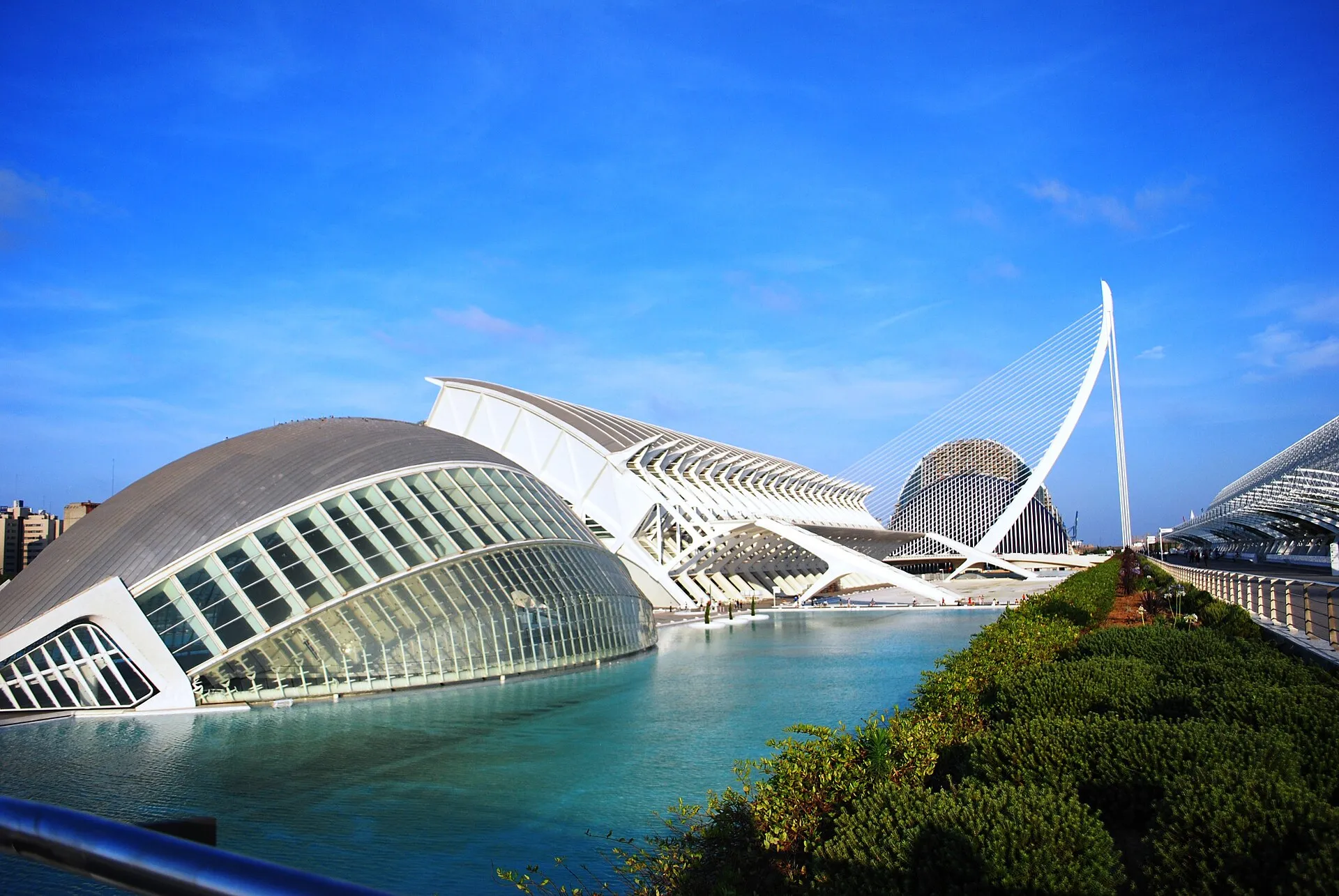
Every Thursday at noon, in the Plaça de la Mare de Déu beside Valencia's cathedral, a court meets in public to settle arguments over irrigation water. Its nine judges each represent a community of farmers on the old canals, and UNESCO has listed the institution since 2009. A city does not keep a court like that going unless water has always been worth fighting over.
Porto has never had that worry. It bails out. On 6 February 2026, with storms stacking up across Portugal, the Douro left its bed at Afurada, Areinho and several other places, and a riverside hotel in Gaia shut with water in its basement. One of these cities rations water and the other puts up with too much of it, and we think that tells you more about living in each than any list of cafés. For a twelve-month base we lean Valencia. For May to October, Porto makes a stronger case than most people expect.
Rain
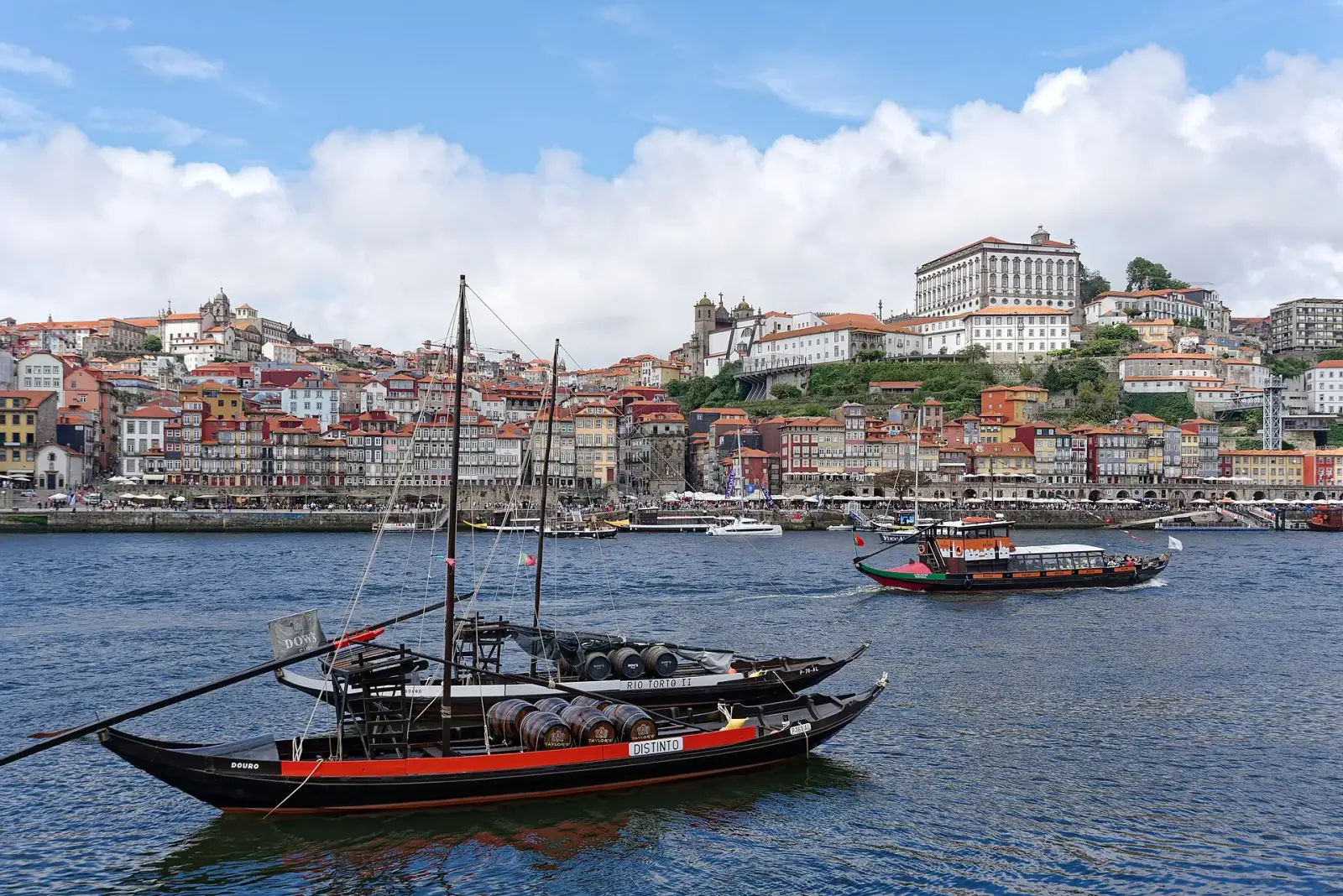
Depending on the station, Porto gets between 1,000 and 1,150 millimetres a year, on about 100 wet days. Valencia gets 459 millimetres on about 44. So a day of rain is a rare event in one and a regular feature of November in the other. Picture Porto in that month: granite streets slick on the steep way down to Ribeira, cloud sitting on the Dom Luís I bridge, your jacket still damp from yesterday when you put it on.
The obvious next step is to say Portuguese homes are the cold ones. The numbers refuse to help. Eurostat's 2025 survey has 15.6 percent of people in Portugal unable to keep their home warm, and 15.9 percent in Spain. So in both countries about one person in six lives in a home that fails in winter. The difference is outdoors: January highs of about 14°C in Porto come with long wet spells, when it is hard to air a flat, so look for a dehumidifier in the listing, and ask how the place is heated before you sign.
Swimming
Valencia's sea reaches 25 to 26°C in summer, and the tram takes you to Malva-rosa beach. You can swim after work from June well into autumn, and that habit is a good part of what you would be paying for.
Portugal's west coast stays around 18 to 20°C in summer. Porto's answer is to make something of it. Metro line A runs out to Matosinhos, and just across the harbour at Leça da Palmeira are the tidal pools Álvaro Siza built into the rocks between 1960 and 1973, now a national monument, filled by the Atlantic and open from June to September. A swim there is cold and very beautiful, and it will not become a daily routine for most people.
Heat runs the other way. July and August in Valencia bring highs around 30°C at about 68 percent humidity, while Porto sits at about 25°C with a breeze off the ocean. For those two months, the wet city is the comfortable one.
Floods
Neither place gets a free pass. The Valencia region lost 234 people in the floods of October 2024, though the city itself was protected by the channel that has carried the Turia around it since the 1960s. The old riverbed is now the park you would cycle through to work. We go through who was exposed, and where, in our comparison with Alicante. In Porto the risk is small and easy to avoid: the river rises at the quays, so a lovely flat at water level in Ribeira or Afurada is the one to question.
Rent and visas
People often assume Portugal is the cheap half of Iberia. We put a remote worker's month at about $2,800 in Porto and about $2,500 in Valencia, and official rent figures point the same way, with a new one-bedroom lease near $740 in Porto against near $490 in Valencia. The paperwork leans the same direction. On our visa table, Portugal's D8 wants $4,240 a month in income and Spain asks $3,280.
Porto gives you some things back for that. English goes further there, and the city is about a third of Valencia's size, so you can know it within a season. Valencia gives you flat streets, a bike and very few cancelled plans.
Before committing to Porto, spend the second week of November there, because any city can charm you in June. Walk down to Ribeira without an umbrella on the first morning. By the end of the week you will know.
 United States
 United Kingdom
 Germany
 Canada
 Australia
 India