Cost of Living in Montpellier
Real market data
Source: Numbeo · August 2026
$1,690/moSolo nomad1-bed centre + living costs
$2,310/moCoupleshared 1-bed + costs
$1,530/moLean / localcheaper area + costs
- 1-bed rent, city centre$930€804
- 1-bed rent, outside centre$760€660
- Monthly costs excl. rent (1 person)$770€666
- Meal, inexpensive restaurant$18€16
- Monthly transit pass$2€2
- Buy price, per m² (centre)$5,190€4,507
Prices are from Numbeo (August 2026), converted to USD at $1 = €0.87 (01 Aug 2026). The monthly living-costs figure is our transparent one-person basket, groceries, a few meals out, utilities, phone, internet, transport and essentials, priced from those figures. Solo adds central rent; couple and lean are estimates from the same numbers. The guide below quotes its own monthly range, which is a different measurement rather than a competing one: this table prices a defined basket at the figures above, while that range is a judgement about how somebody actually lives here.
Montpellier sits in the mid-range for French cities. Expect to spend more than you would in Eastern Europe, but noticeably less than Paris.
- Rent, city centre (1-bedroom): $800-1,000/month
- Rent, outer neighbourhoods (1-bedroom): $680-850/month
- Groceries: $280-400/month for one person
- Eating out: $14-20 per meal at a casual restaurant; a sit-down dinner for two runs $57-80
- Coworking hot desk: $200-340/month; day passes at hybrid cafes run $28-40
- Local transport: Montpellier's tram and bus network is free for residents registered with the metro authority; for non-residents a single ride is roughly $2
Total monthly range: A solo nomad living comfortably in a central flat, eating out a few times a week, and using a coworking space can expect to spend roughly $1,600-2,300/month. You can trim that to $1,250-1,600 by choosing a cheaper neighbourhood, cooking most meals, and using hybrid cafes instead of a full coworking membership.
Where to Work
Montpellier has around 30 coworking spaces, with the densest cluster in the historic centre and the Port Marianne district. Most operate standard business hours; a handful offer 24/7 access.
- Come'N'Work (31 Rue de l'Aiguillerie) is well-regarded, centrally located, and offers 24/7 access with fast fibre and meeting rooms. Monthly hot desks start around $200.
- Colock Cafe Bar Coworking (25 Rue de l'Université) charges by the hour and offers a day deal (about $28 with lunch included), making it a popular drop-in option.
- Maslow Cafe and Coworking (26 Rue du Faubourg du Courreau) blends a proper coffee shop in front with a dedicated open-space work area in the back, with ergonomic chairs and fibre wifi.
- De la Sierra Coffee Roasters (Port Marianne) is the city's most celebrated specialty coffee shop and welcomes laptop workers, though it is busy on weekday mornings.
Cafe-work culture exists but is uneven. Many traditional cafes do not have strong wifi or power sockets. Your safest bet is one of the known laptop-friendly spots above, or a coworking space for anything demanding reliable speed. Public wifi in the city is serviceable for most tasks but can be frustrating for video calls or large uploads. If you have frequent video calls, a coworking space with a private phone booth is worth it.
Getting Around
Montpellier is one of the most walkable mid-size cities in France. The old town is compact, and most of what a nomad needs sits within a 20-minute walk or a single tram stop. The tram network covers five lines and 84 stations across the metro area, running regularly from early morning to late night.
As a registered resident you ride for free. If you are visiting on a tourist basis, a single combined bus-and-tram ticket costs about $2 and is valid for one hour across the network.
Getting to the airport: Montpellier-Mediterranean Airport (MPM) is about 10 km from the city centre. Navette line 120 runs a direct shuttle every 60 minutes for $3 (combined tram and bus ticket). A taxi or Uber takes around 15 minutes and costs $17-28 depending on traffic. The airport has direct connections to Paris, London, Amsterdam, and several Spanish cities, but for long-haul flights you will route through Paris or Barcelona.
Sorting transport? Book an airport transfer, or compare car rental on Auto Europe and QEEQ.
Visas and Staying Long-Term
Citizens of the US, Canada, Australia, the UK, and most EU countries can enter France visa-free for up to 90 days within any 180-day period. After 90 days you must leave the Schengen Area.
France has no dedicated digital nomad visa as of mid-2026, and there is no announced timeline for one. A significant rule change took effect in June 2025: France officially ended the informal practice of working remotely while on a long-stay visitor visa. Even if your clients or employer are outside France, all remote work on the visitor visa is now prohibited.
Your main legal options for staying longer and working:
- Profession Liberale visa (freelance/self-employed): Designed for independent professionals who want to set up and work in France. Requires a business plan, proof of income at or above the French minimum wage (roughly $24,600/year as of 2026), and ANEF pre-approval before you can apply at a French consulate.
- Talent Passport: A broader category covering highly skilled workers, entrepreneurs, and researchers.
Best Time to Visit
Montpellier has a Mediterranean climate with among the highest sunshine hours in France. Summers are hot, sometimes reaching 35-38°C (95-100°F) in July and August, which makes sustained indoor focus harder unless your accommodation has good air conditioning.
Best window for remote work: April through June, and again September through October. Temperatures are pleasant (18-27°C), daylight is long, cafe terraces are open but not overwhelmed, and the university crowds (Montpellier has a very large student population) thin out a bit outside the peak holiday season.
Winter (November to February) is mild by northern European standards, averaging 7-12°C, with occasional cold spells and rain. It is a comfortable and cheap time to be in Montpellier if you do not need beach weather.
Avoid July and August if you dislike heat and crowds. August in particular sees the student population leave but tourist numbers spike, and the heat can be oppressive for those accustomed to cooler climates.
Pros and Cons
Pros
- Strong quality of life: excellent food, walkable city, beaches 30 minutes away
- Lower rents and costs than Paris, Lyon, or Bordeaux
- Good tramway network, cycling infrastructure improving
- Reliable healthcare and infrastructure
- LGBTQ+ friendly with a visible community
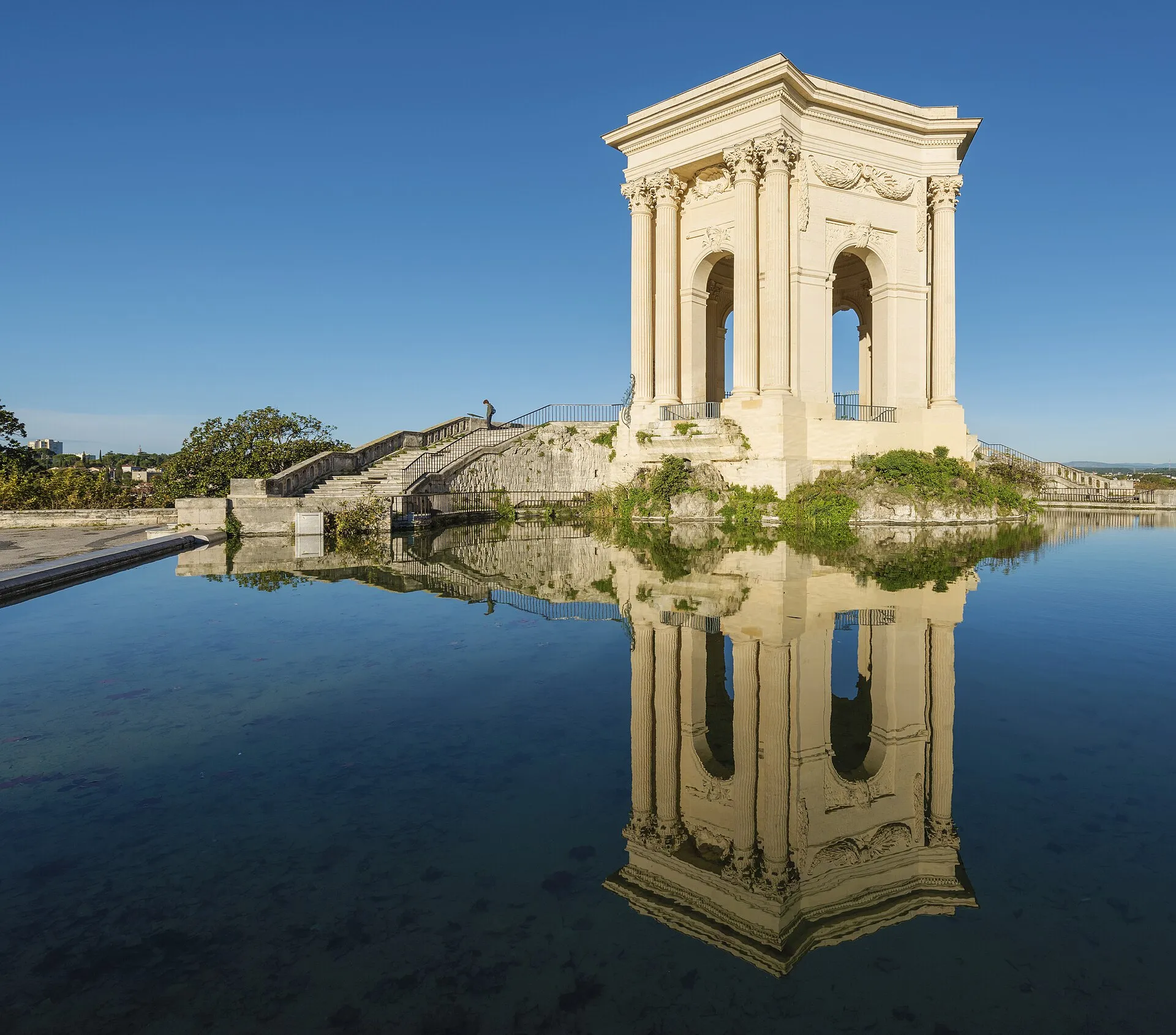
- Beautiful historic architecture alongside modern districts
- Sunny climate, long outdoor season
Cons
- No dedicated nomad visa; legal long-stay options require real bureaucratic effort
- English is not widely spoken; daily life requires French
- Average wifi speeds are modest; not ideal for bandwidth-heavy workflows without a coworking space
- Coworking spaces often have strict noise policies that make calls difficult at your desk
- Small expat and nomad community compared to Lisbon, Barcelona, or Berlin
- Petty theft is notable around major transit hubs and tourist areas
- Summers are very hot and can reduce productivity
Who Montpellier Is Best For
Montpellier suits nomads who genuinely want to live in France, not just pass through. You get a real French city with a student energy, great food, and a relaxed Mediterranean pace at a price point well below the country's major hubs. It rewards people who speak some French or are serious about learning, and who do not need a large English-speaking professional community around them.
It works especially well for:
- Freelancers and solo operators with clients in European time zones
- People who want proximity to beaches, hiking in the Cevennes, and easy rail access to Spain
- Those on a mid-range budget who want French quality of life without Paris prices
Skip Montpellier if you need a large nomad hub with English-first coworking culture, if your workflow demands consistently fast public wifi, or if you are not prepared to navigate French bureaucracy for a stay longer than 90 days.